
Table of Contents
Introduction
What you eat can make a real difference to your liver health.
Fatty liver disease is becoming increasingly common in both adults and children, and unhealthy eating habits, physical inactivity, and excess weight can all contribute to its development. The good news is that lifestyle changes—especially a healthy diet, regular physical activity, and weight management—can help reduce liver fat and improve metabolic health.
But with so many diets claiming to be “liver-friendly,” which eating pattern is actually best for fatty liver disease?
From the Mediterranean diet and high-fiber eating to intermittent fasting and ketogenic diets, this guide explores the evidence behind different dietary approaches and highlights practical food choices that may support better liver health.
Mediterranean Diet
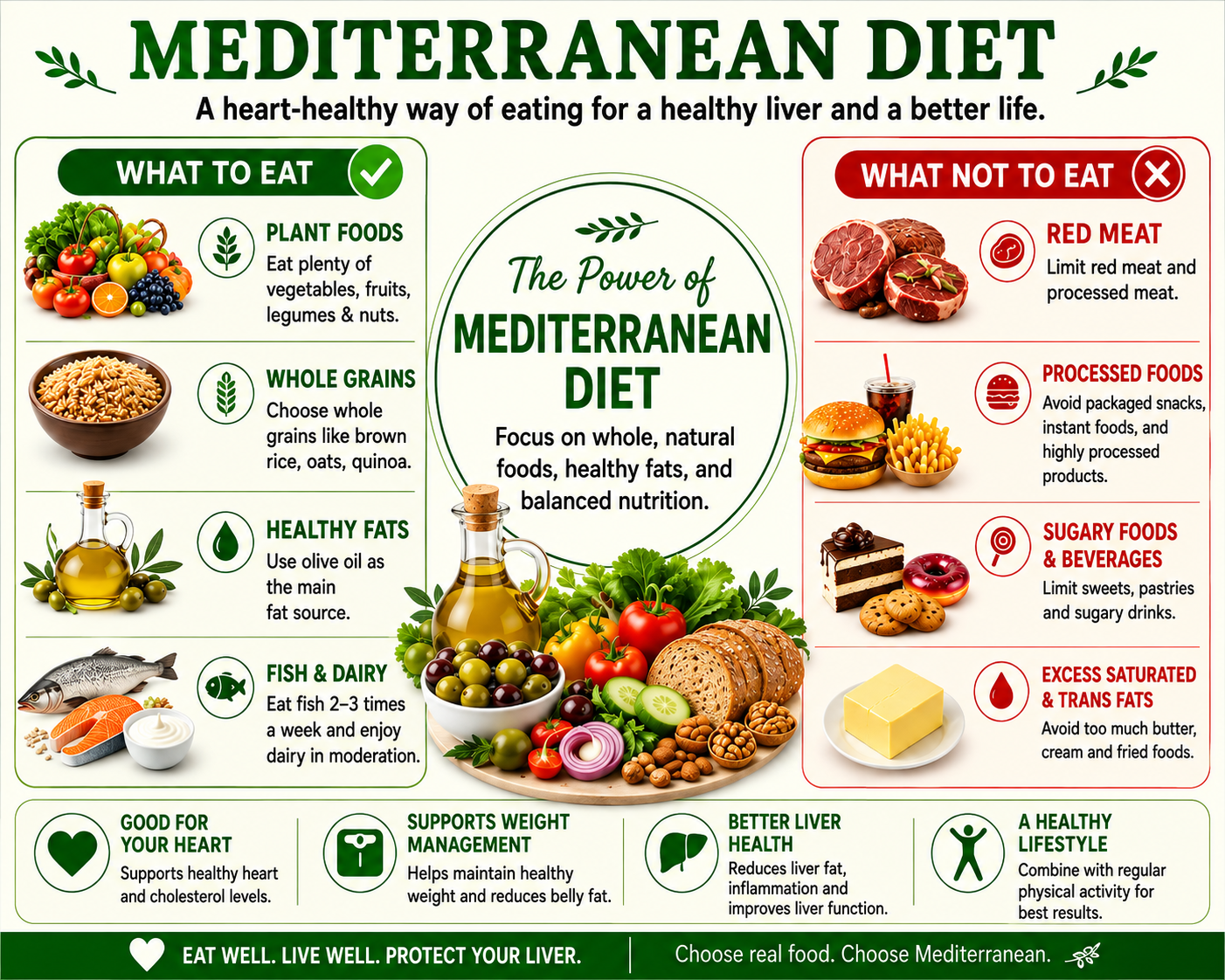
“The Mediterranean diet is one of the best-supported dietary patterns for managing fatty liver disease.” It is supported by strong scientific evidence and improves liver health.
What to eat?
- Vegetables and fruits
- Whole grains
- Legumes and nuts
- Olive oil as the main fat source
- Moderate amounts of fish and fermented dairy
What to Limit
- Red meat
- Processed foods
- Sugary foods and beverages
- Sweets
Benefits for Liver Health
- Improves insulin sensitivity
- Reduces liver fat and belly fat
- Improves liver enzyme levels
- Reduces inflammation and Oxidative stress
- Supports a healthy gut microbiome
Why It Works?
- First-line choice: Current guidelines recommend the Mediterranean diet as a key non-drug approach for Fatty liver disease.
- Helps reduce liver fat: It may improve insulin sensitivity, reduce visceral fat, and support healthier liver enzymes.
- More than weight loss: Benefits may occur even without significant weight loss.
- Anti-inflammatory effects: Olive oil, nuts, fish, vegetables, fruits, and other plant foods provide healthy fats, fiber, omega-3s, and Polyphenols that may help protect the liver.
- Supported by research: Clinical trials, observational studies, and meta-analyses show improvements in metabolic health and some liver-related measures.
- Works across cultures: The Mediterranean diet can be adapted to local eating habits, including Indian cuisine.
Evidence
- Studies suggest the Mediterranean diet can improve metabolic health, including insulin sensitivity and cholesterol.
- Improves
- Benefits such as reduced liver fat and improved insulin sensitivity may occur even without significant weight loss.
- Mediterranean-style eating patterns can be adapted to different cultures and food preferences while retaining their core principles.
Mediterranean-Style Eating with Indian Food Swaps
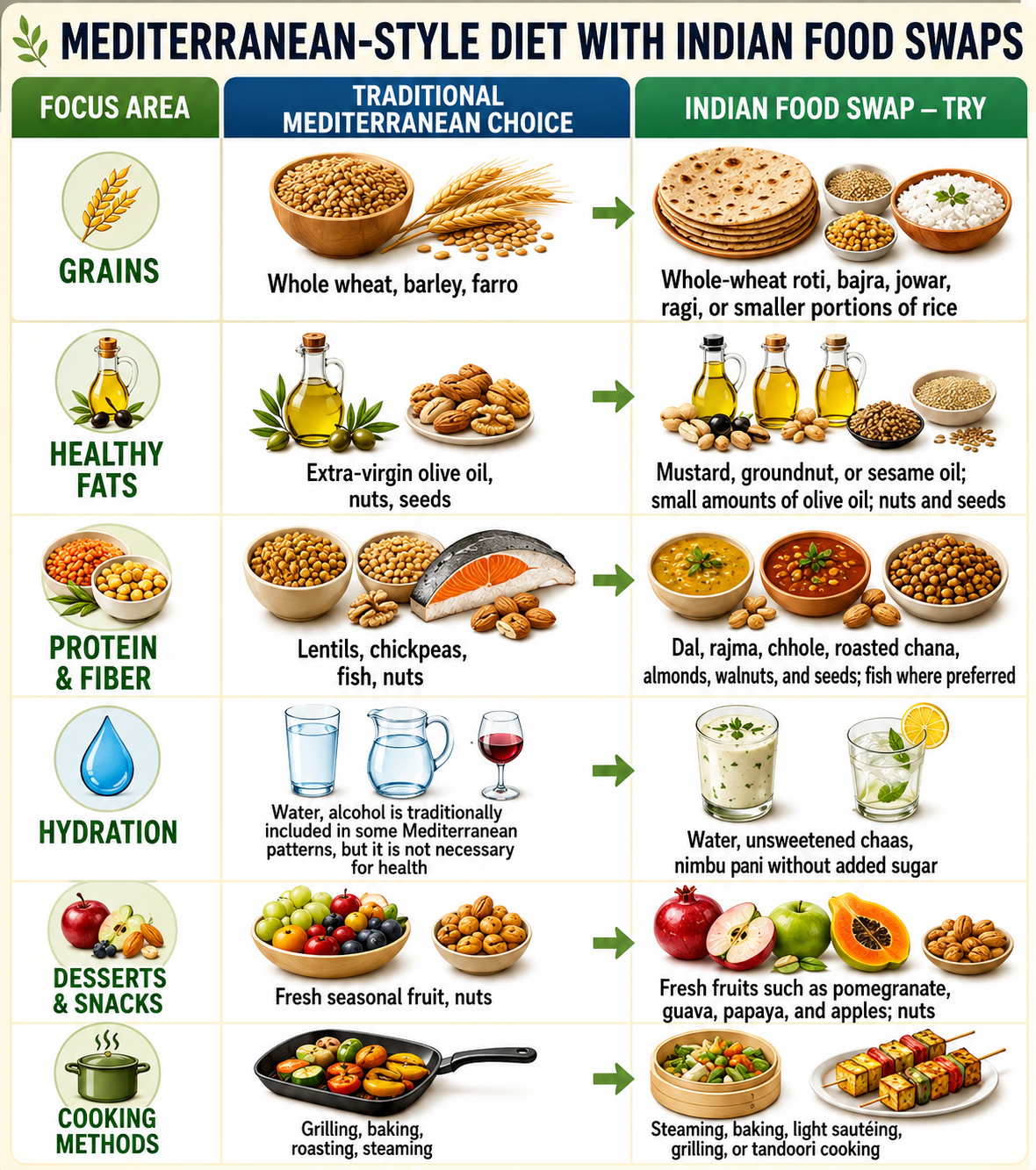
The Mediterranean diet is a dietary pattern, not a fixed list of geographical foods. Many of its principles can be adapted to Indian cuisine without giving up familiar foods.
- Plant-rich: Vegetables, fruits, pulses, whole grains, nuts, and seeds can form the foundation of an Indian Mediterranean-style diet.
- Healthy fats: Nuts, seeds, and plant oils such as mustard, groundnut, or sesame oil can provide predominantly unsaturated fats. Olive oil can also be used where practical.
- Choose minimally processed foods: Replacing refined flour, highly processed snacks, sugary foods, and sugar-sweetened beverages with whole or minimally processed foods reflects a key principle of the Mediterranean dietary pattern.
- Keep the Indian thali: A Mediterranean-style approach does not mean eating Mediterranean foods exclusively. A balanced Indian meal containing vegetables, dal/pulses, whole grains, curd/chaas, and appropriate portions of healthy fats can fit very well within this pattern.
Low-Fructose and Low-Sugar Diet
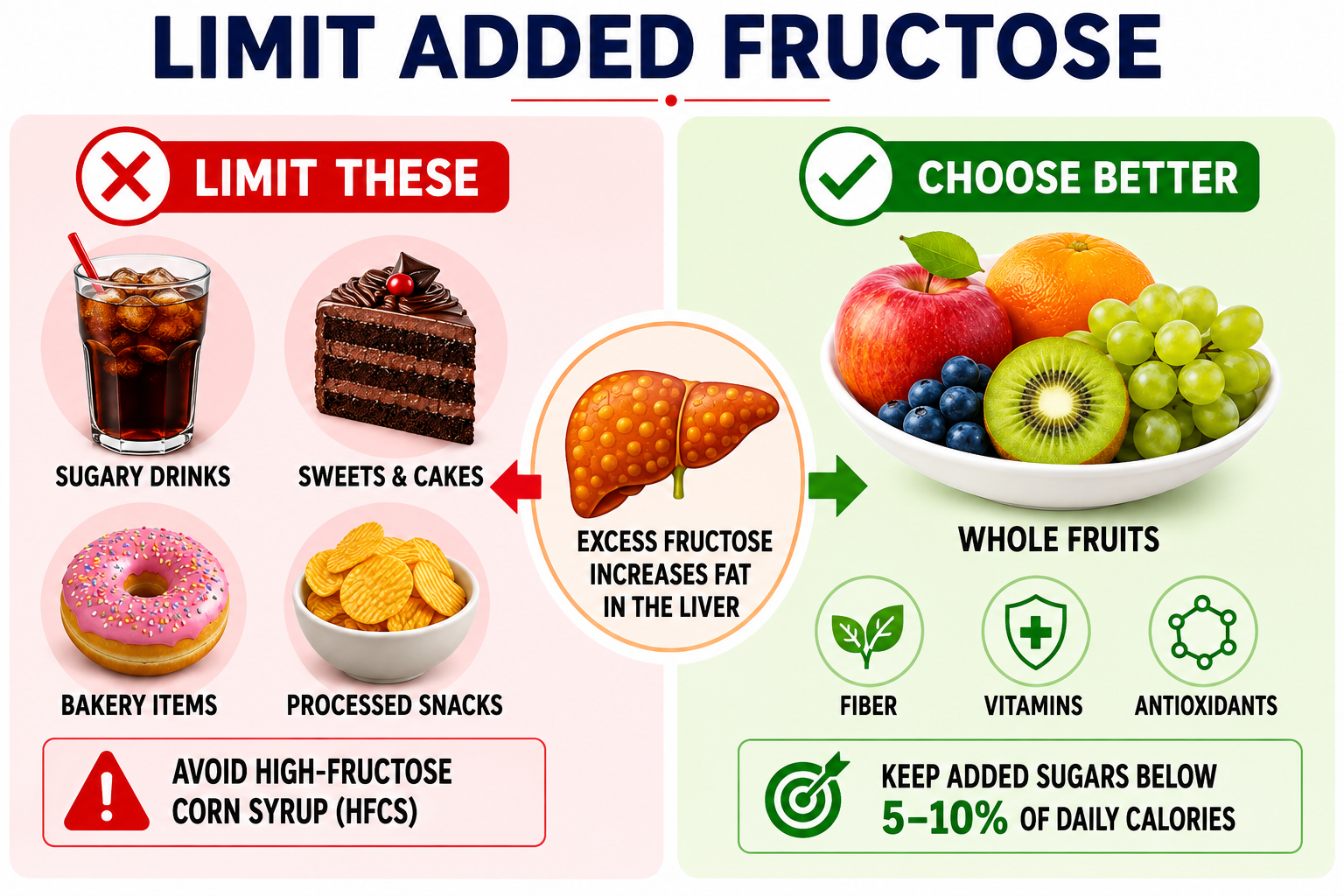
Foods to Limit
- Sugary drinks: Soft drinks, energy drinks, sweetened juices, and packaged beverages.
- Sweets: Candies, chocolates, cakes, pastries, and desserts.
- Bakery items: Cookies, doughnuts, muffins, and sweetened breads.
- Processed foods: Packaged snacks and foods containing added sugars.
How Does Excess Fructose Affect the Liver?
- Excess fructose can be converted into fat in the liver.
- This may contribute to liver fat accumulation and increase the risk of fatty liver.
- High fructose intake may also promote inflammation, oxidative stress, and insulin resistance.
Choose Better Alternatives
- Choose whole fruits instead of fruit juices or sugary snacks.
- Examples: Apples, oranges, guava, berries, papaya, and pears.
- Whole fruits provide fiber, vitamins, minerals, and antioxidants.
- Choose fresh or minimally processed foods more often.
Daily Intake
- As per Recommendations
- For a person with a healthy body weight: Limit free sugars to <10% of daily calories—about 50 g (12 tsp) per day on a 2,000-calorie diet.
- For additional health benefits: Aim for ≤5% of daily calories.
- Read food labels and choose products with little or no added sugar.
High-Fiber Diet
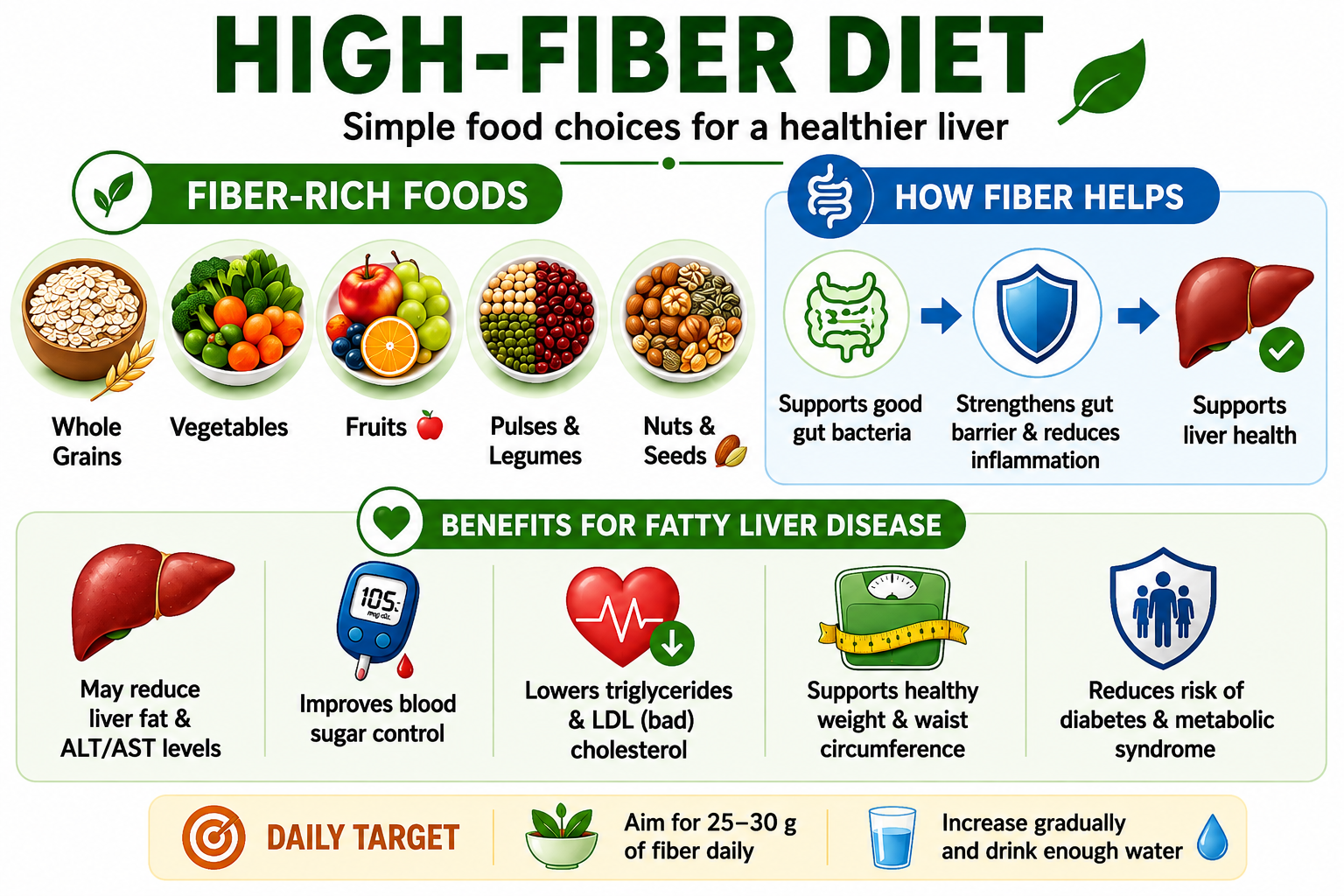
Choose Fiber-Rich Foods
- Whole grains: Oats, barley, brown rice, whole-wheat bread, and millets.
- Vegetables: Broccoli, carrots, spinach, peas, beans, and cauliflower.
- Fruits: Apples, pears, oranges, guava, berries, and papaya.
- Legumes and pulses: Lentils (dal), chickpeas, kidney beans, and black beans.
- Nuts and seeds: Almonds, walnuts, chia seeds, and flaxseeds.
How Does Fiber Help?
- Supports healthy gut bacteria and the production of beneficial short-chain fatty acids.
- Helps maintain a healthy gut barrier and may reduce inflammation.
- Supports liver health through the gut–liver axis.
Benefits for Fatty Liver Disease
- May help reduce liver fat and liver enzyme levels (ALT/AST).
- Improves insulin sensitivity and blood sugar control.
- Helps lower triglycerides and LDL cholesterol.
- Supports healthy weight and waist circumference.
- May reduce the risk of type 2 diabetes and Metabolic Syndrome.
How Much Fiber?
- Fiber intake of 25–30 g of fiber per day is widely recommended for adults.
- Children need less fiber than older teenagers and adults, but they still require enough to support healthy growth and digestion.
- Recommended daily fiber intake
- 2 to 5-year-olds: need about 15g of fiber a day
- 5 to 11-year-olds: need about 20g
- 11 to 16-year-olds: need about 25g
- Increase fiber gradually and drink enough water to prevent bloating or constipation.
Flexitarian Diet
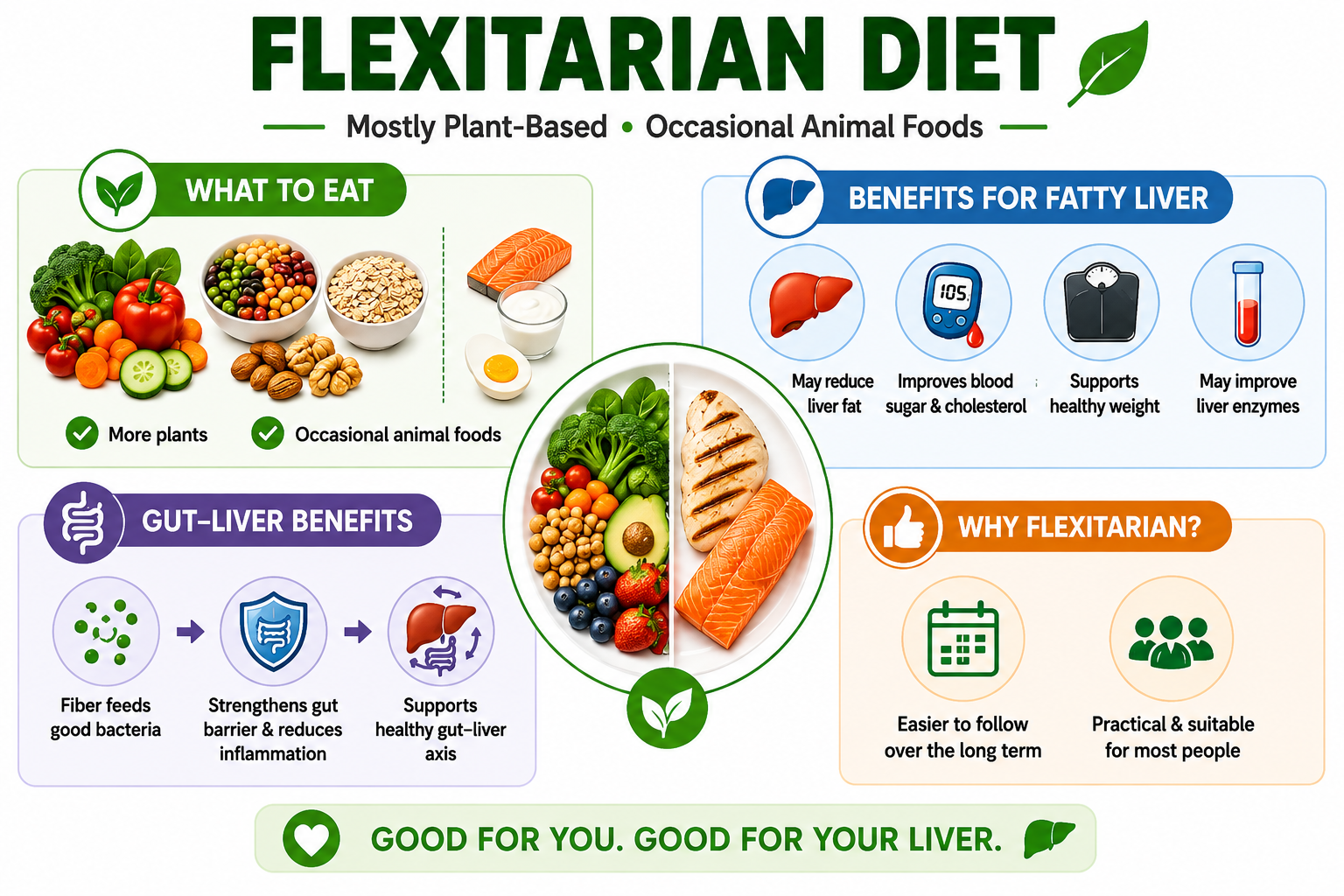
What Is It?
- Mainly a plant-based diet with occasional animal foods.
- Focuses on vegetables, fruits, legumes, nuts, seeds, and whole grains.
- Limit red meat and processed foods.
Benefits for Fatty Liver Disease
- May improve blood sugar, cholesterol, and other metabolic health markers.
- May help reduce visceral fat and liver enzyme levels (ALT and GGT).
- Plant-based foods provide fiber that supports gut and liver health.
Gut–Liver Benefits
- Fiber supports the production of beneficial short-chain fatty acids.
- Helps maintain a healthy gut barrier and may reduce inflammation.
- Supports beneficial gut bacteria involved in the gut–liver axis.
Why Choose Flexitarian?
- More flexible and easier to follow long-term than strict vegetarian or vegan diets.
- It can be a practical approach for improving overall metabolic health in people with fatty liver disease.
DASH Diet
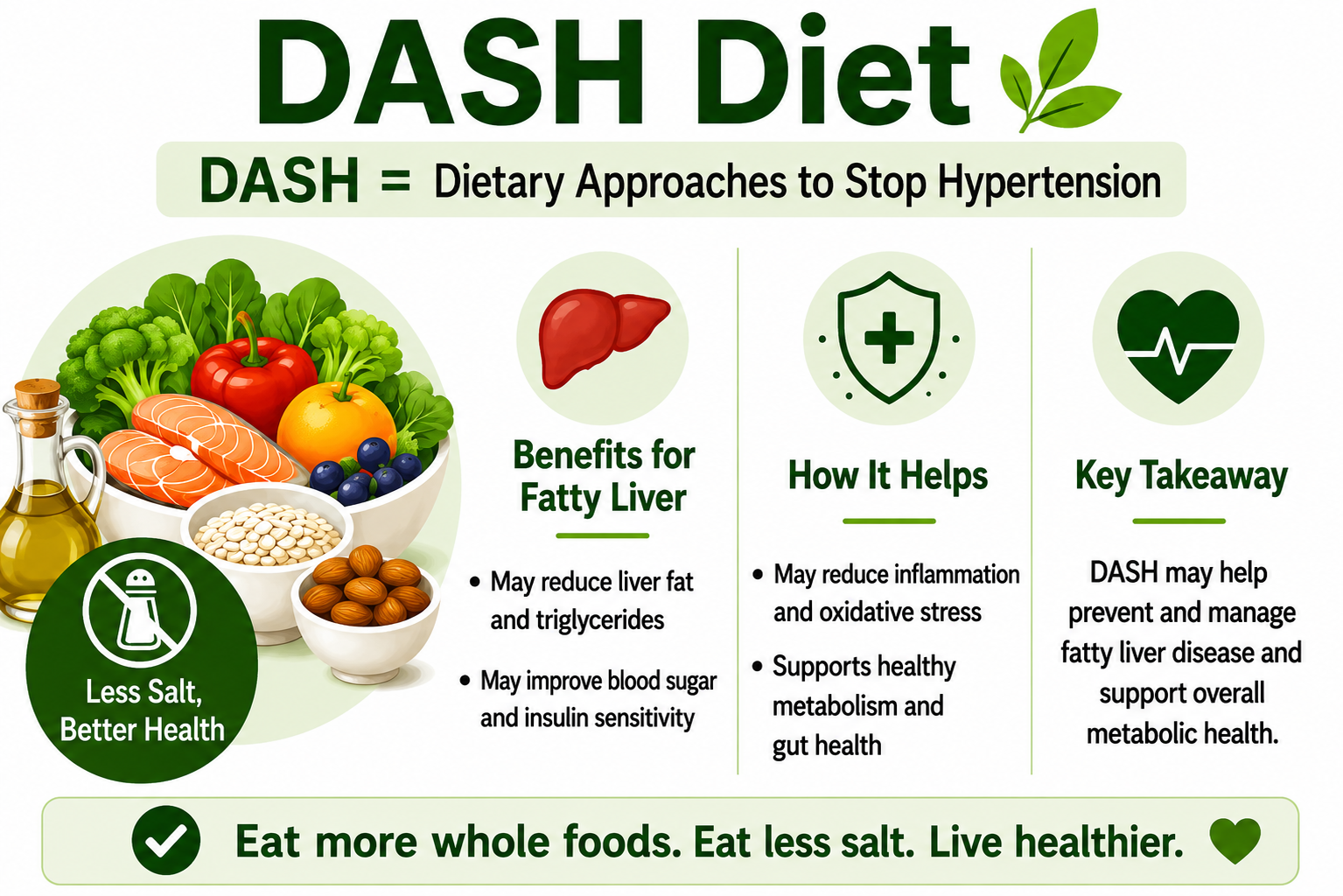
What Is the DASH Diet?
- Originally developed to help lower blood pressure.
- Similar to the Mediterranean diet, but focuses more on limiting salt (sodium).
- Rich in fiber, antioxidants, potassium, calcium, and magnesium.
Benefits for Fatty Liver Disease
- May improve insulin sensitivity and blood sugar.
- May reduce triglycerides and liver fat.
- Higher adherence may be linked to a lower risk of fatty liver disease.
- May support healthy body weight and metabolic health.
How May It Help?
- May reduce inflammation and Oxidative Stress.
- Supports healthier glucose and cholesterol metabolism.
- May promote a healthy gut microbiome.
- It can also help manage blood pressure and cholesterol.
Intermittent Fasting
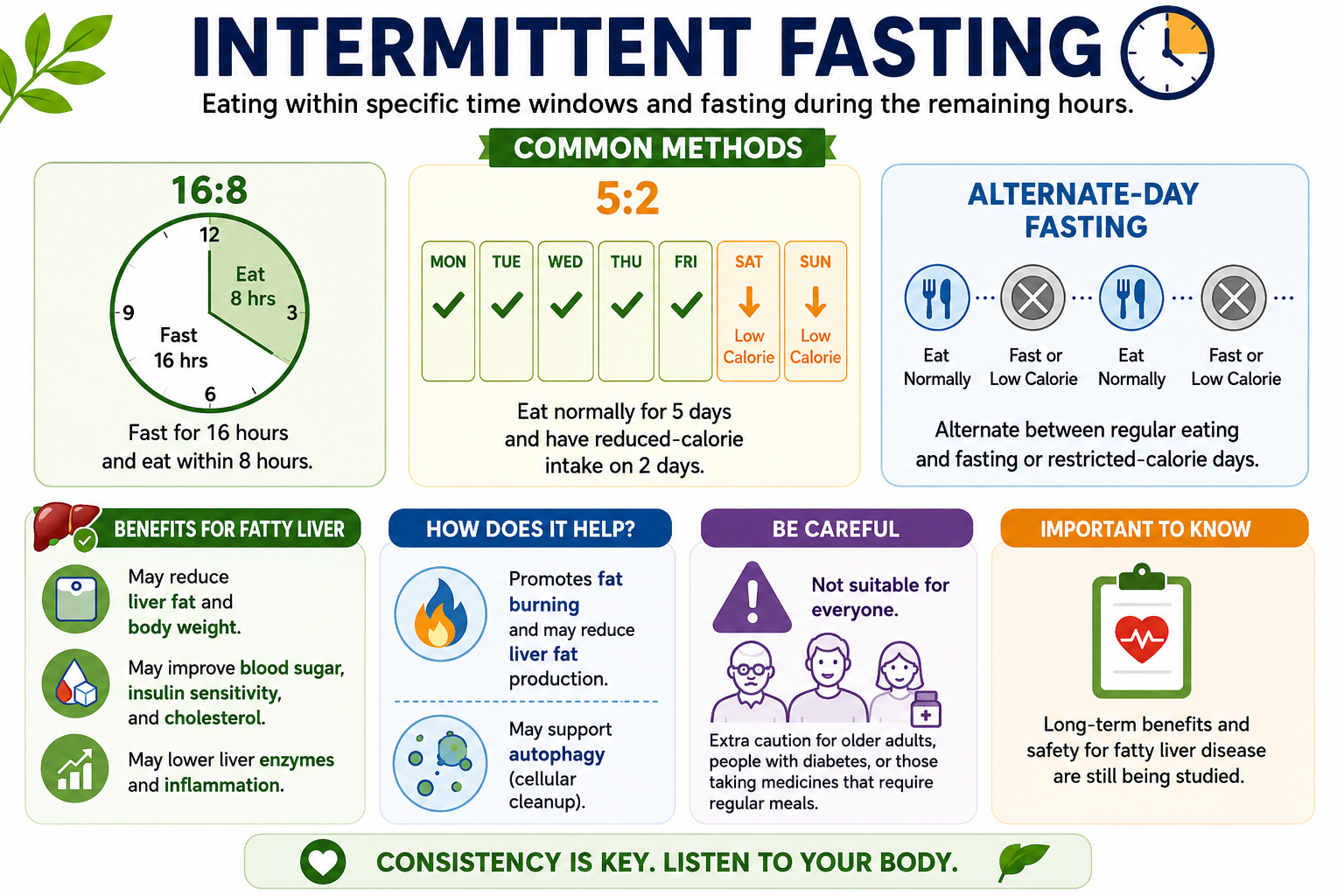
What Is It?
- Eating within specific time periods and fasting during the remaining hours.
- Common approaches include:
- 16:8 – Fast for 16 hours and eat within 8 hours.
- 5:2 – Eat normally for 5 days and have reduced-calorie intake on 2 days.
- Alternate-day fasting – Alternate between regular eating and fasting/restricted-calorie days.
Benefits for Fatty Liver Disease
- May help reduce liver fat and body weight.
- Can improve blood sugar and insulin sensitivity.
- May lower liver enzymes (ALT, AST, GGT), Triglycerides, and LDL cholesterol.
- May reduce inflammation and oxidative stress.
How May It Help?
- Encourages the body to use stored fat for energy.
- May reduce fat production in the liver.
Who Should Be Careful?
- It may not be suitable for everyone.
- Extra caution is needed for older adults and people with diabetes or those taking medicines that require regular meals.
- Long-term benefits and safety for fatty liver disease are still being studied.
Ketogenic Diet (KD)
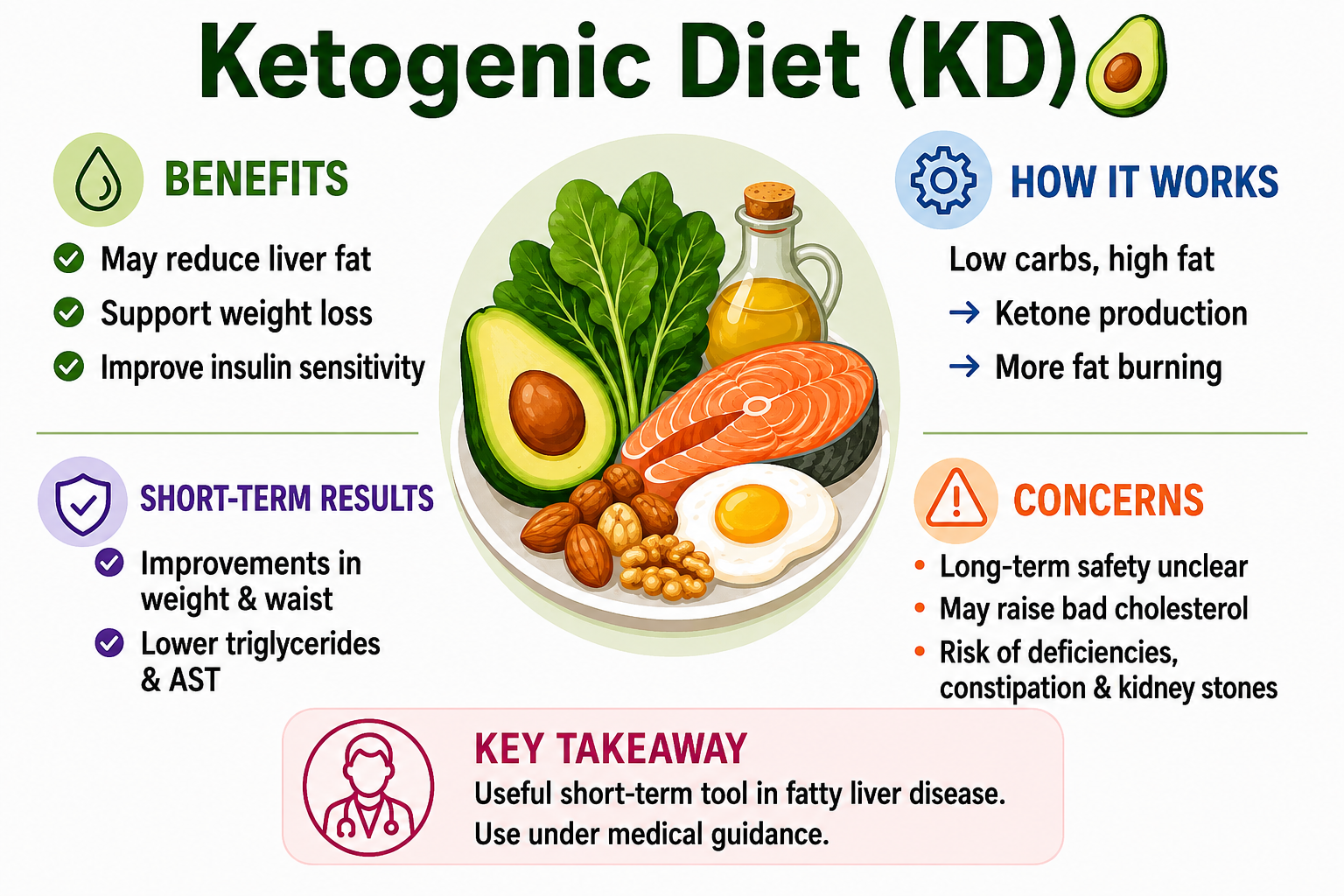
What is it?
- A high-fat, low-carbohydrate diet that puts the body into ketosis.
- Ketones become an important source of energy.
Potential Benefits in Fatty Liver Disease
- May reduce liver fat and visceral fat.
- Can support weight loss and improve insulin sensitivity.
- May improve triglyceride levels and liver enzymes like AST.
- It may reduce new fat production in the liver and promote fat burning.
How does it work?
- Limit carbohydrates, especially refined sugars.
- Promotes fat burning and ketone production.
- May reduce inflammation and Oxidative Stress.
What are the concerns?
- Long-term safety and effectiveness remain uncertain.
- High saturated-fat intake may increase LDL cholesterol and ApoB.
- May cause nutrient deficiencies, constipation, or kidney stones.
Other Recommendations
Yogurt
- Yogurt contains good bacteria, especially Lactobacillus and Bifidobacterium, which support a healthy gut microbiome.
- Compared with milk, yogurt may have a more beneficial effect on gut bacteria.
- Yogurt may help improve insulin resistance.
- Studies suggest that consuming more than 80 g of yogurt per day is associated with a lower risk of obesity, metabolic syndrome, and diabetes.
Coffee
- Coffee has antioxidant and Anti-inflammatory effects.
- It may help reduce liver fat, improve insulin sensitivity, and slow liver Fibrosis.
- Clinical evidence suggests that drinking ≥3 cups/day may be associated with a lower risk of fatty liver disease.
- However, studies also suggest that the risk reduction may be smaller with ≥5 cups/day compared with 3–4 cups/day.
- Prefer black, unsweetened coffee to avoid added sugar and excess calories.
Key Takeaways
- Choose a balanced eating pattern
- A Mediterranean-style diet is one of the best-supported dietary approaches for fatty liver disease.
- Make it practical
- You don’t need to eat a “Mediterranean” menu. Indian foods such as dal, whole-wheat roti, millets, vegetables, fruits, nuts, and unsweetened chaas can fit into a Mediterranean-style eating pattern.
- Eat more fiber
- Include whole grains, vegetables, fruits, legumes, nuts, and seeds regularly.
- Cut back on added sugar
- Limit sugary drinks, sweets, refined carbohydrates, and highly processed foods.
- Choose healthier fats
- Prefer unsaturated fats such as those from olive oil, nuts, seeds, and fish.
- Focus on overall lifestyle
- A healthy diet works best alongside regular physical activity and healthy weight management.
- Fasting isn’t essential
- Intermittent fasting may offer benefits for some people, but it is not suitable or necessary for everyone.
- Be cautious with restrictive diets
- Ketogenic diets may reduce liver fat, but their long-term safety and effectiveness remain uncertain.
- Some foods may provide additional benefits
- Yogurt and coffee may support metabolic and liver health when included as part of an overall healthy diet.
Further Reading
- Janota, B., Janion, K., Buzek, A., & Janczewska, E. (2025). Dietary strategies in the prevention of MASLD: A comprehensive review of dietary patterns against fatty liver. Metabolites, 15(8), 528. https://doi.org/10.3390/metabo15080528
- Eslam, M., Fan, J.-G., Yu, M.-L., Wong, V. W.-S., Cua, I. H., Liu, et.al. (2025). The Asian Pacific Association for the Study of the Liver clinical practice guidelines for the diagnosis and management of metabolic dysfunction-associated fatty liver disease. Hepatology International, 19, 261–301. https://doi.org/10.1007/s12072-024-10774-3.
- World Health Organization. (2026, January 26). Healthy diet. World Health Organization
- Hao, X., Song, H., Su, X., Li, J., Ye, Y., Wang, C., Xu, X., Pang, G., Liu, W., Li, Z., & Luo, T. (2025). Prophylactic effects of nutrition, dietary strategies, exercise, lifestyle and environment on nonalcoholic fatty liver disease. Annals of Medicine, 57(1), 2464223. https://doi.org/10.1080/07853890.2025.2464223
Disclaimer: The information provided on Medical Pharma Lifestyle Pulse is for educational and informational purposes only and is not intended as medical advice, diagnosis, or treatment. Always consult a qualified healthcare professional before making any decisions about your health, medications, or treatment. Never ignore or delay seeking professional medical advice based on information you have read on this website. While we strive to provide accurate and up-to-date information, we do not guarantee the completeness or accuracy of the content. For more information, please read our full Medical Disclaimer.