
Table of Contents
Introduction
Fatty liver disease is no longer just an adult health problem. With the rising rates of childhood obesity in India and around the world, it is becoming increasingly common. If not identified and managed early, the disease can persist into adulthood and may lead to serious liver damage and other health complications. Recognizing the problem early and promoting healthy lifestyle habits are key to protecting children’s long-term health.
What Is Fatty Liver Disease?
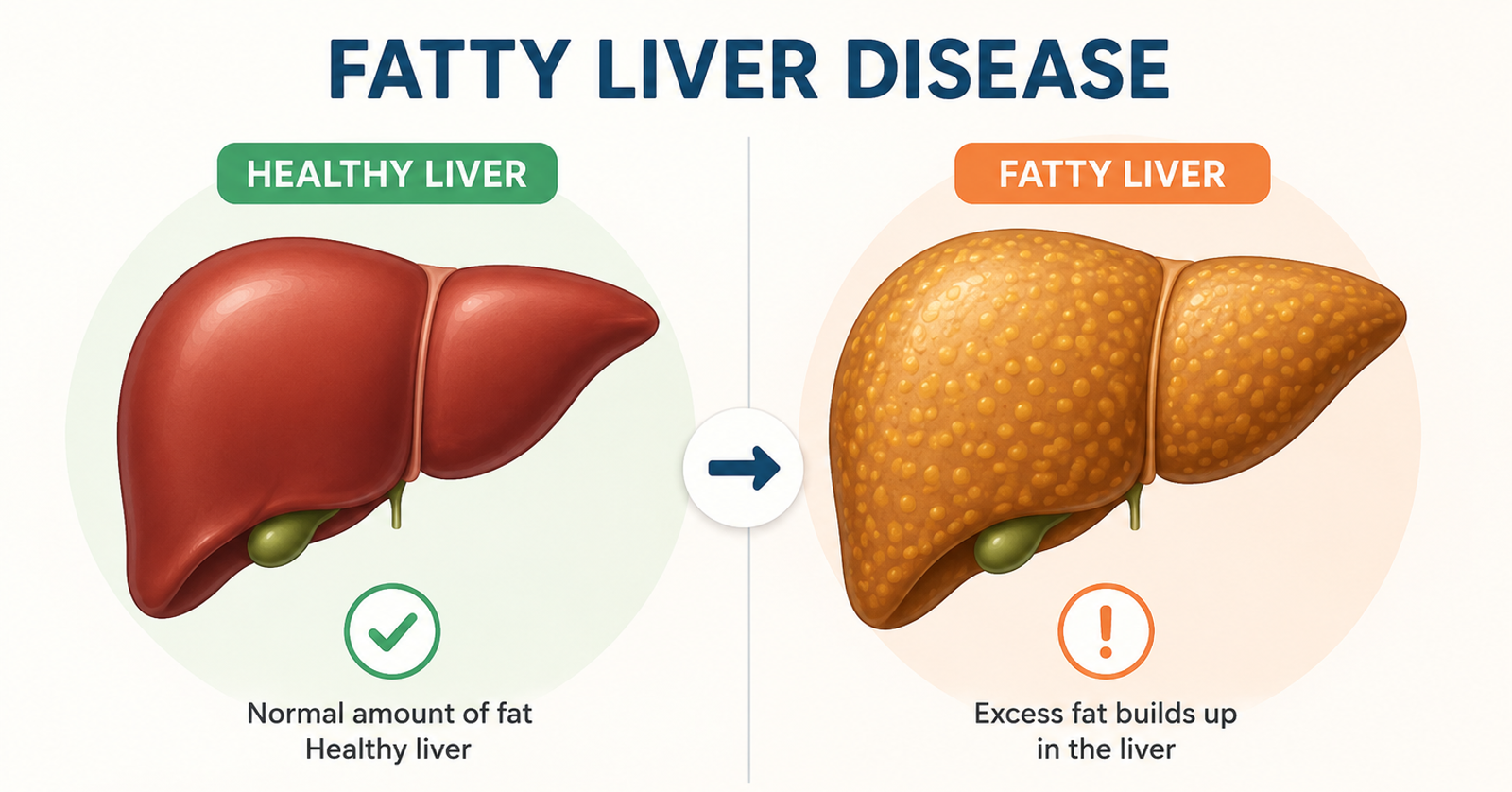
- A condition in which excess fat builds up in the liver without significant alcohol consumption.
- A small amount of fat in the liver is normal, but more than 5% fat is considered fatty liver disease.
- The liver normally processes and stores fats. However, when the body takes in more calories than it burns, excess fat starts accumulating in the liver cells.
- Over time, excess fat can affect how well the liver works and may lead to liver damage if left untreated.
Why is Fatty Liver Disease Rising in Children?
Childhood fatty liver disease is becoming increasingly common, mainly due to unhealthy lifestyle habits. These habits contribute to excess fat buildup in the liver, raising the risk of serious health problems later in life.
key reasons
- 🍔 Unhealthy eating habits (junk food and sugary drinks)
- 🏃 Lack of physical activity
- 📱 Increased screen time
- 😴 Poor sleep habits
- ⚖️ Rising childhood obesity
Who are at Risk?
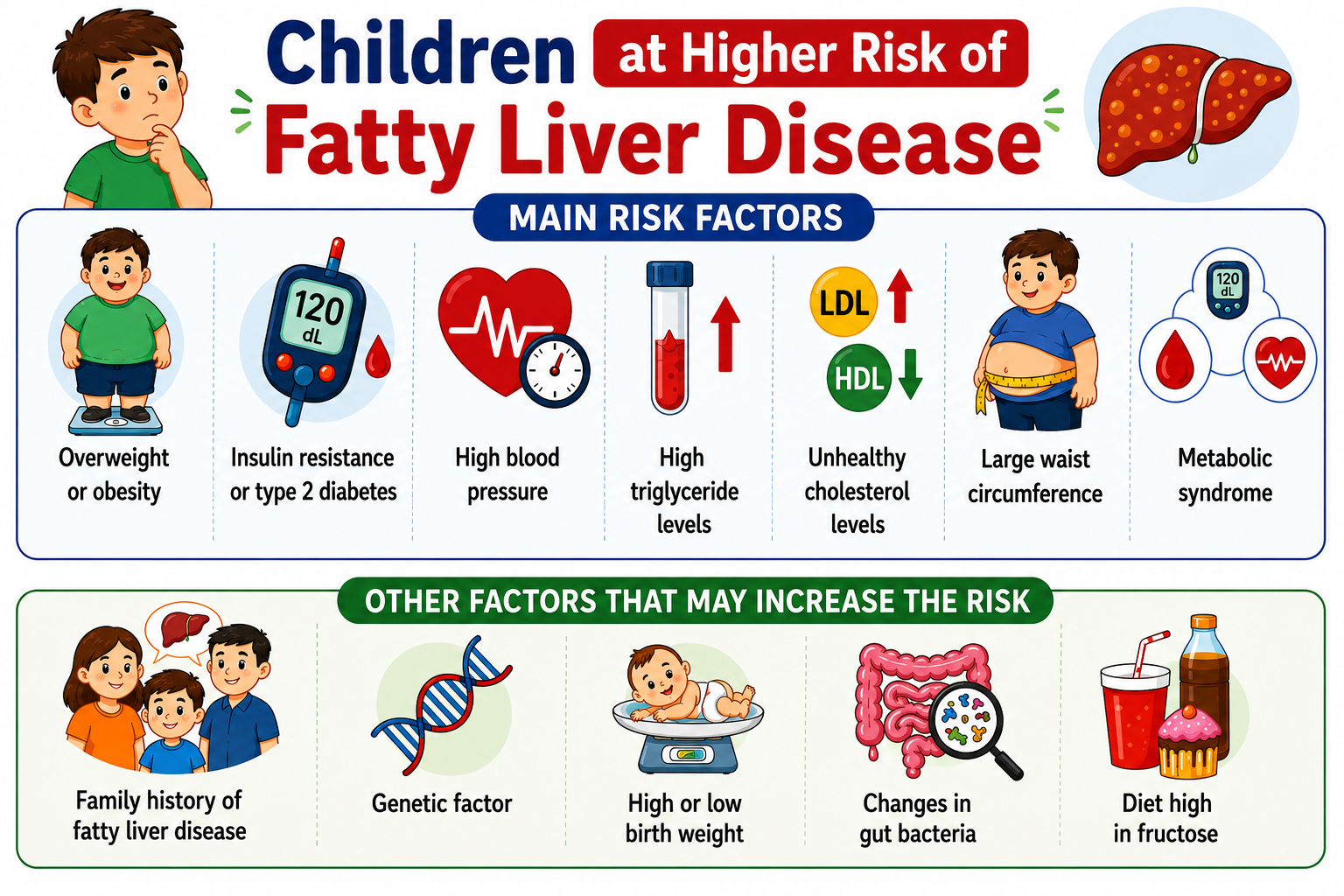
Main risk factors
- Overweight or obesity
- Insulin resistance or type 2 diabetes
- High triglyceride levels
- Unhealthy cholesterol levels (high LDL, low HDL, or high total Cholesterol)
- Large waist circumference (abdominal obesity)
- Metabolic syndrome (a combination of obesity, high blood sugar, abnormal cholesterol, and high blood pressure)
Diet High in Fructose
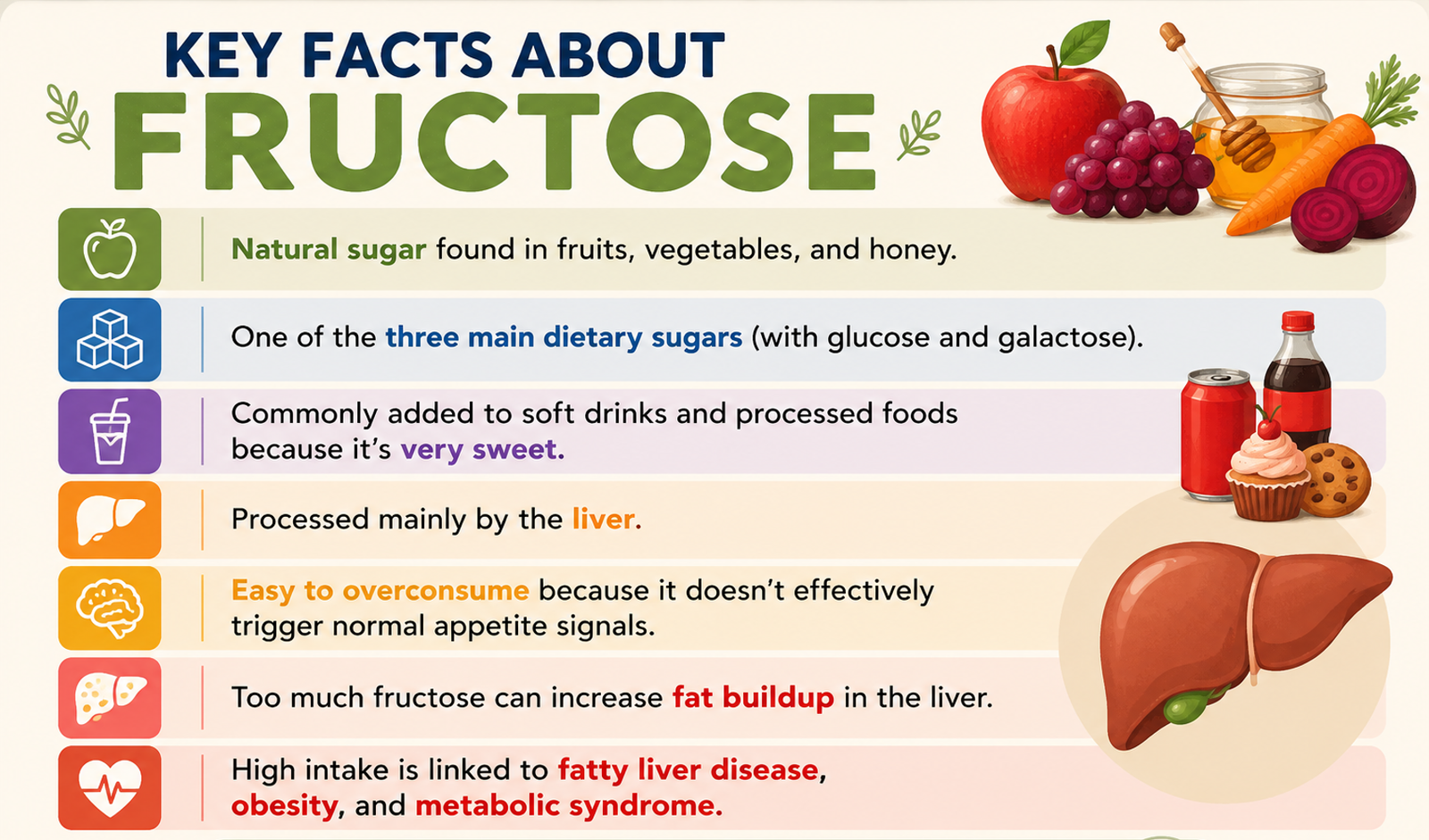
- Children today consume more processed foods and sugary drinks than ever before, making them more likely to consume excessive amounts of fructose.
- A diet high in fructose—especially from soft drinks, sugary beverages, packaged baked goods, and processed foods—can increase fat buildup in the liver and raise the risk of fatty liver disease.
Other Risk Factors
- Family history of fatty liver disease
- Certain genetic factors (more common in some ethnic groups, like Asian American children)
- High or low birth weight
- Changes in gut bacteria (gut microbiome)
What are the symptoms?
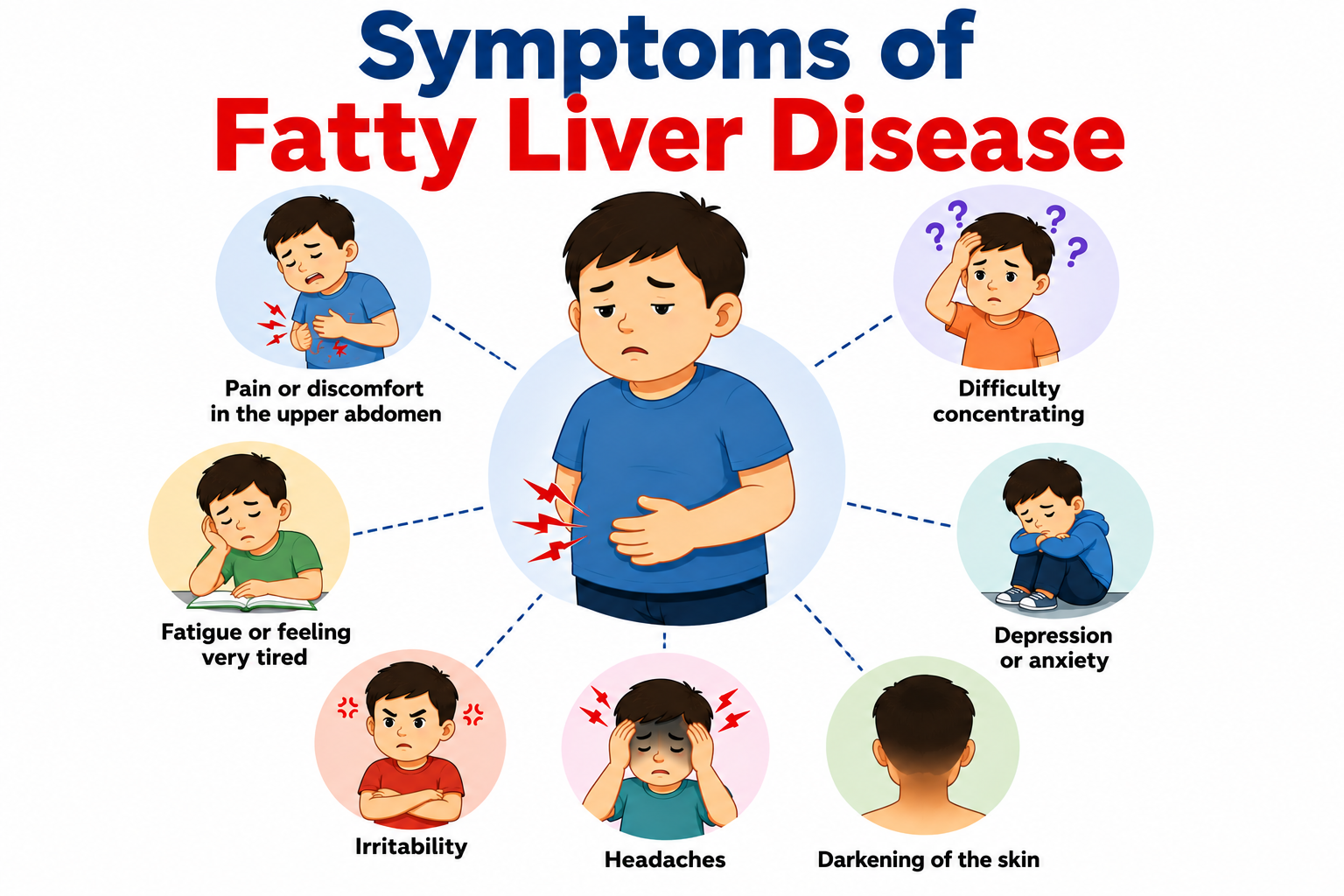
Most children do not have any symptoms in the early stages. Symptoms usually appear when the liver has been significantly affected. Possible symptoms include:
- Pain or discomfort in the upper abdomen
- Fatigue or feeling very tired
- Irritability
- Headaches
- Difficulty concentrating
- Depression or anxiety
- Darkening of the skin around the neck, underarms, or joints (acanthosis nigricans)
Who Should Be Screened for Fatty Liver Disease?
- Abnormal liver enzyme results may be an early sign of fatty liver disease.
- Screening may be considered for:
- Children with obesity older than 10 years.
- Overweight children older than 10 years who have additional risk factors, such as:
- Insulin resistance or prediabetes
- High cholesterol or triglycerides
- Family history of fatty liver disease
- Irregular menstrual periods in girls
- Daytime sleepiness caused by sleep apnea
How is Fatty Liver Disease Diagnosed in Children?
- Fatty liver disease often has no symptoms in its early stages, so regular medical check-ups are important for children at risk.
- Fatty liver disease is often detected during blood tests or ultrasound scans done for another health problem.
- Liver enzyme ALT (alanine aminotransferase) is the most commonly used, low-cost blood test for screening children with obesity.
- In some children, a liver biopsy may be needed to confirm the diagnosis and assess liver damage.
- Other liver diseases and conditions that can look like fatty liver disease must be ruled out before confirming the diagnosis.
What happens if fatty liver disease is not treated?
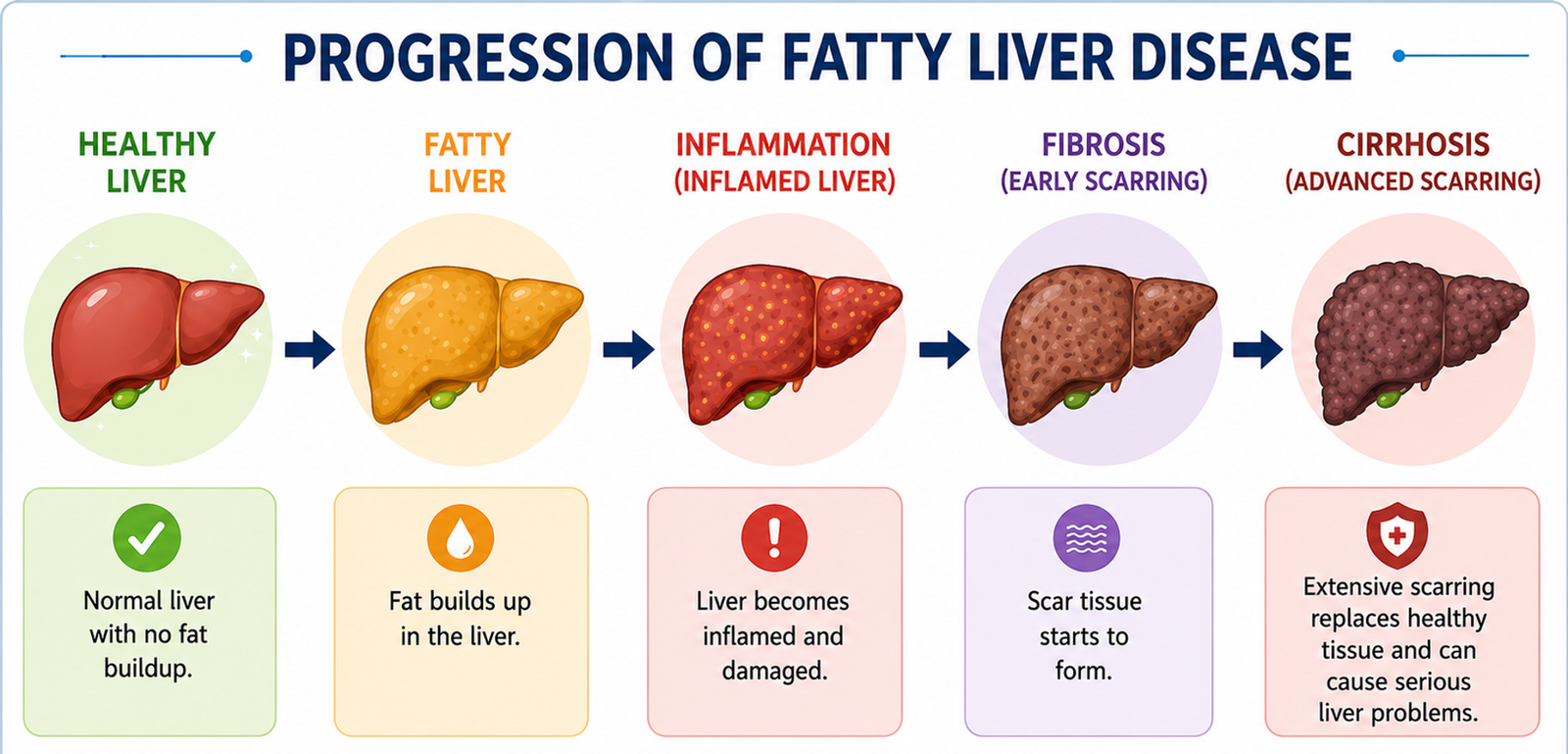
- Fatty liver disease can worsen over time if it is not controlled or reversed.
- It may cause inflammation (swelling) of the liver. Over time, scar tissue can replace healthy liver tissue.
- Early scarring is called fibrosis.
- Severe scarring is called cirrhosis, which can lead to serious liver damage.
How to Manage Fatty Liver Disease in Children?
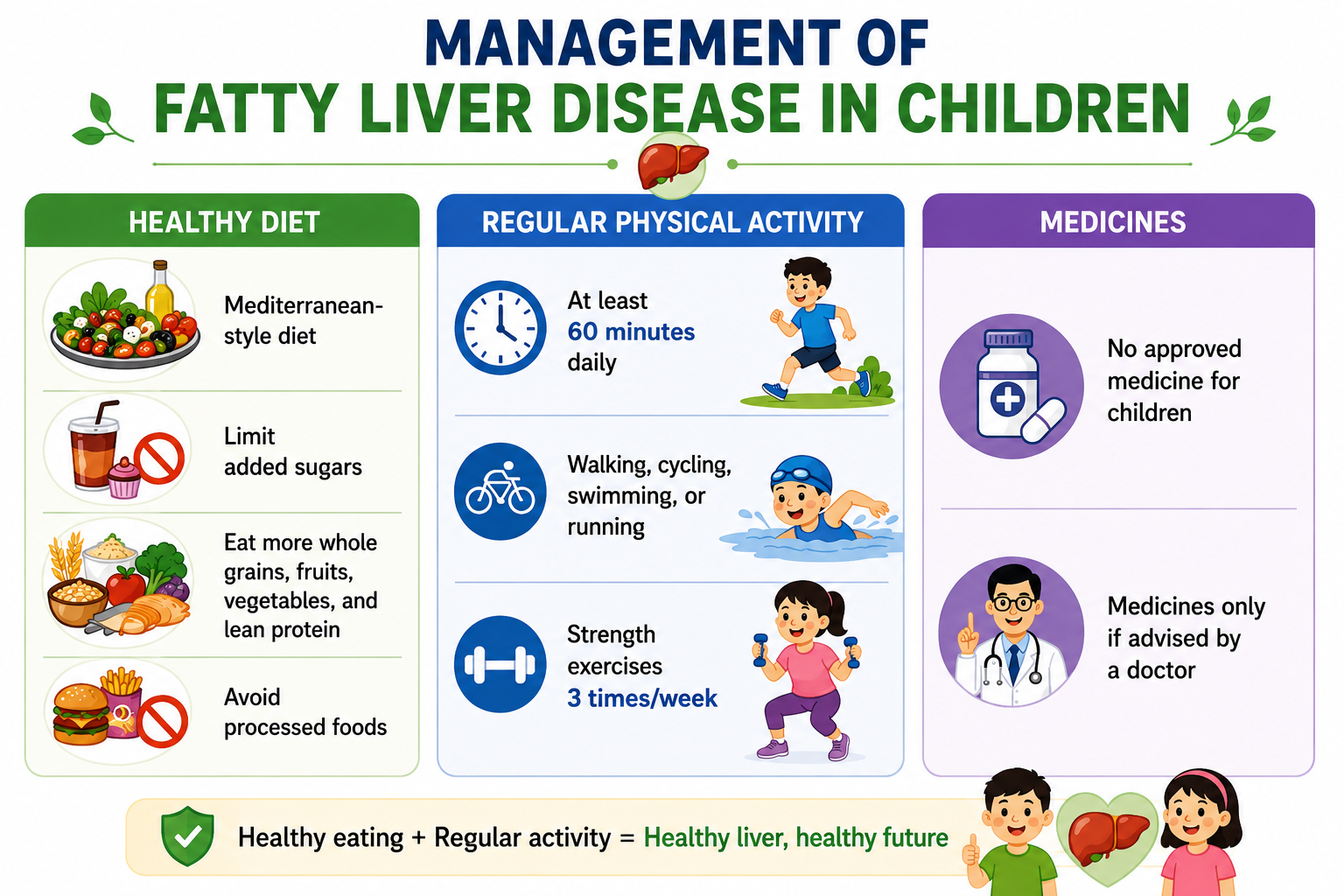
The main treatment for fatty liver disease in children is adopting a healthy lifestyle. Early changes in diet, regular physical activity, and maintaining a healthy weight can help reduce liver fat, improve liver health, and prevent disease progression.
Healthy Diet
- Follow a Mediterranean-style diet.
- Limit added sugars, especially sugary drinks.
- Eat more whole grains, fruits, vegetables, pulses, fish, and lean proteins.
- Reduce processed and refined foods.
Regular Physical Activity
- Encourage at least 60 minutes of physical activity every day.
- Include aerobic Exercise (walking, cycling, swimming, running).
- Add strength or resistance exercises at least 3 times a week.
- Older children and adolescents can include higher-intensity exercise, if appropriate.
Medicines
- No medicine is currently approved specifically for fatty liver disease in children.
- Medicines may be considered only if lifestyle changes do not work and should be used under a doctor’s guidance.
- Some medicines and supplements are being studied, but their benefits are still limited.
Helpful Nutrition Tips for Parents
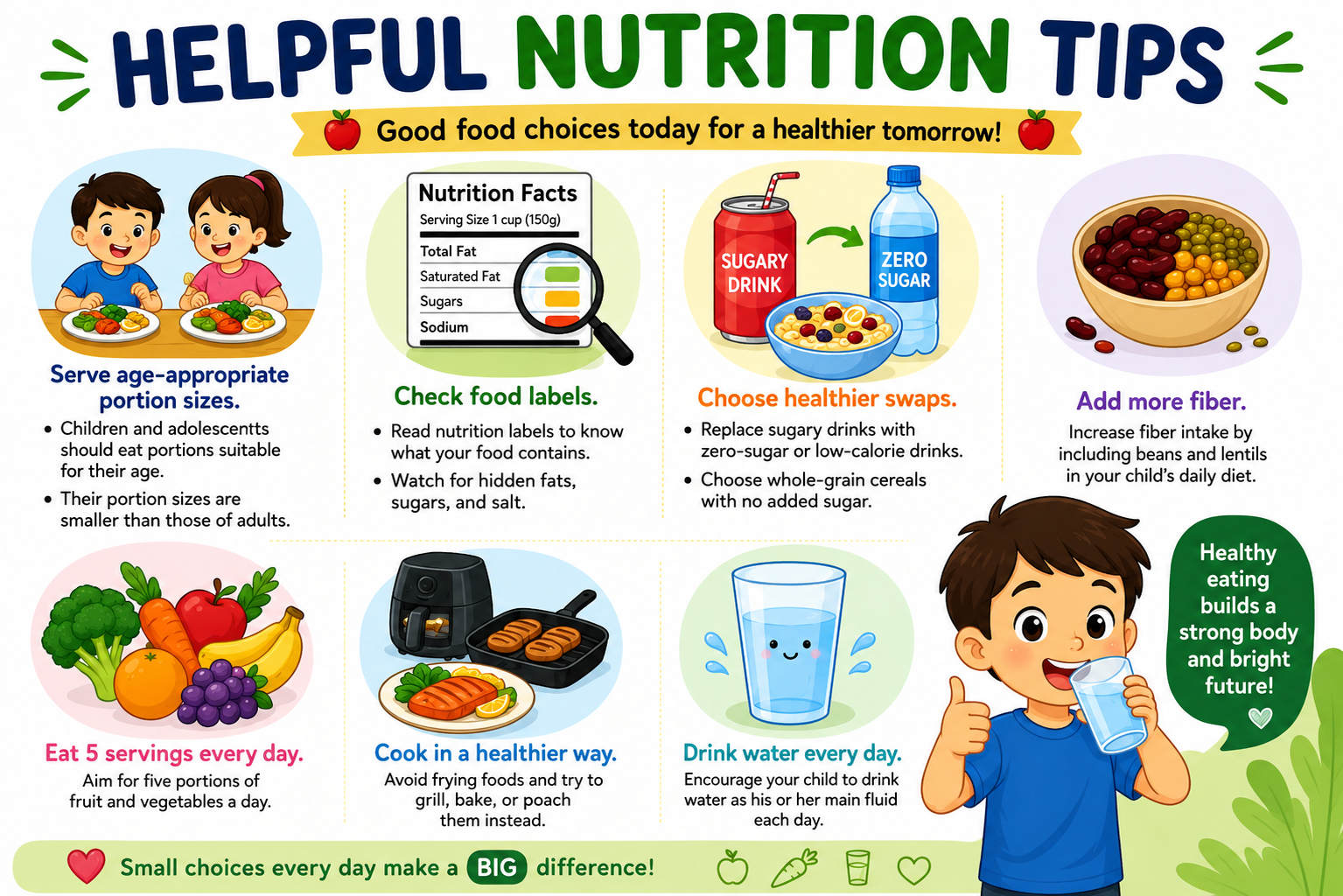
Serve age-appropriate portion sizes
- Children and adolescents should eat portions suitable for their age.
- Their portion sizes are smaller than those of adults.
Check food labels
- Read nutrition labels to know what your food contains.
- Watch for hidden fats, sugars, and salt.
Choose healthier foods and drinks
- Replace sugary drinks with zero-sugar or low-calorie drinks.
- Choose whole-grain cereals with no added sugar.
Increase fiber intake
- Include beans and lentils in your child’s daily diet.
Eat more fruits and vegetables
- Aim for 5 servings of fruits and vegetables every day.
Choose healthier cooking methods
- Avoid frying foods.
- Grill, bake, or steam foods instead.
Make water the main drink
- Encourage your child to drink water every day.
Frequently Asked Questions
1. Can Fatty liver be reversed?
Yes. In many children, fatty liver disease can improve or even reverse with healthy eating, regular physical activity, and gradual weight loss. The time needed varies from child to child.
2. Can Fatty Liver Disease come back after it improves?
Yes. If healthy eating habits and regular physical activity are not maintained, fat can build up in the liver again.
3. Can children with a healthy weight get Fatty Liver Disease?
Yes. Although it is more common in children who are overweight or obese, Fatty Liver Disease can also occur in children with a healthy weight.
4. Does my child need to see a liver specialist?
It depends on your child’s condition. Some children with Fatty Liver Disease may be referred to a liver specialist, especially if the disease is more severe or if there are signs of liver damage.
5. How often should my child have follow-up visits?
The frequency of follow-up depends on your child’s condition. Your healthcare provider will recommend regular visits to monitor liver health, growth, and response to lifestyle changes.
6. Can lifestyle and diet changes help my child?
Yes, A balanced diet with plenty of fruits, vegetables, whole grains, and lean proteins, along with limiting sugary drinks and processed foods, can help improve liver health.
7. Can my child eat sweets or fast food occasionally?
Occasional treats are usually acceptable as part of a balanced diet. However, sugary drinks, processed foods, and frequent fast food should be limited to help improve liver health.
8. Should my child see a dietitian?
Yes, A registered dietitian or nutritionist can create a personalized meal plan that supports healthy growth while improving liver health.
9. What physical activities are safe for my child?
Most children benefit from regular activities such as walking, cycling, swimming, dancing, or playing outdoor sports. Your doctor can recommend activities based on your child’s health.
10. Is there a medicine to treat Fatty liver disease in children?
Currently, there is no approved medication specifically for to treat fatty liver in children. Healthy lifestyle changes remain the main treatment.
Key Takeaways
✅ Fatty liver disease is becoming more common in children and adolescents, mainly due to obesity and metabolic health problems.
✅ If left untreated, it can progress to liver inflammation, fibrosis, and even cirrhosis in some children.
✅ Early diagnosis and treatment improve the chances of preventing or reversing liver damage.
✅ Healthy eating, regular physical activity, and maintaining a healthy weight are the most effective ways to manage fatty liver disease.
Further Reading
- Kumar, T., Das, S., Vinayagamoorthy, V., Tripathy, S. K., Malik, A., & Kundu, S. (2025). Prevalence of nonalcoholic fatty liver disease among overweight and obese children from a teaching institution of Jharkhand: A cross-sectional study. Journal of Family Medicine and Primary Care, 14(4), 1218–1224. https://doi.org/10.4103/jfmpc.jfmpc_1312_24
- National Institute of Diabetes and Digestive and Kidney Diseases. (2021, December). Symptoms & causes of NAFLD & NASH in children. U.S. Department of Health and Human Services, National Institutes of Health. https://www.niddk.nih.gov/health-information/liver-disease/nafld-nash-children/symptoms-causes
- American Liver Foundation. (n.d.). Nonalcoholic fatty liver disease (NAFLD) in children. https://liverfoundation.org/liver-diseases/pediatric-liver-information-center/pediatric-liver-disease/nonalcoholic-fatty-liver-disease-nafld-in-children/
- Lewis Lujan, L. M., Madrid Molina, N., Guerrero-Magaña, D. E., Iloki Lewis, A. P., Reséndiz Zarazúa, M., Rivera Vizcarra, A. E., Carranza Peña, M. del C., Moreno López, K. I., Otero Leon, C. B., & Iloki-Assanga, S. B. (2026). Role of excessive fructose consumption on liver health. Clinical Nutrition Open Science, 65, 100613. https://doi.org/10.1016/j.nutos.2025.12.007
- Mosca, A., Braghini, M. R., Pietrobattista, A., Alisi, A., & Vania, A. (2025). Efficacy of non-pharmacological treatments in pediatric MASLD: A review of the literature. Frontiers in Nutrition, 12, Article 1667377. https://doi.org/10.3389/fnut.2025.1667377
- Venu, S., & Raj, M. (2026). Paediatric metabolic dysfunction-associated steatotic liver disease (MASLD): A growing health concern in the age of childhood obesity. BMJ Paediatrics Open, 10(1), e003846. https://doi.org/10.1136/bmjpo-2025-003846
- Schwimmer, J. B., Biddinger, S. B., & Ibrahim, S. H. (2025). MASLD in children: Integrating epidemiological trends with mechanistic and translational advances. Journal of Clinical Investigation, 135(13), e186422. https://doi.org/10.1172/JCI186422
- Lin, Y.-C., Liao, F.-M., Chao, H.-C., Chen, A.-C., Jeng, Y.-M., Lin, C.-C., Tiao, M.-M., Yang, Y.-J., Yeung, C.-Y., Chen, H.-L., & Ni, Y.-H. (2025). Consensus statement on metabolic dysfunction-associated steatotic liver disease in children and adolescents from the Joint TASL-TSPGHAN Expert Committee. JGH Open, 9(6), e70137. https://doi.org/10.1002/jgh3.70137
Disclaimer: The information provided on Medical Pharma Lifestyle Pulse is for educational and informational purposes only and is not intended as medical advice, diagnosis, or treatment. Always consult a qualified healthcare professional before making any decisions about your health, medications, or treatment. Never ignore or delay seeking professional medical advice based on information you have read on this website. While we strive to provide accurate and up-to-date information, we do not guarantee the completeness or accuracy of the content. For more information, please read our full Medical Disclaimer.