
Table of Contents
The Alarming Rise of Childhood Obesity in India
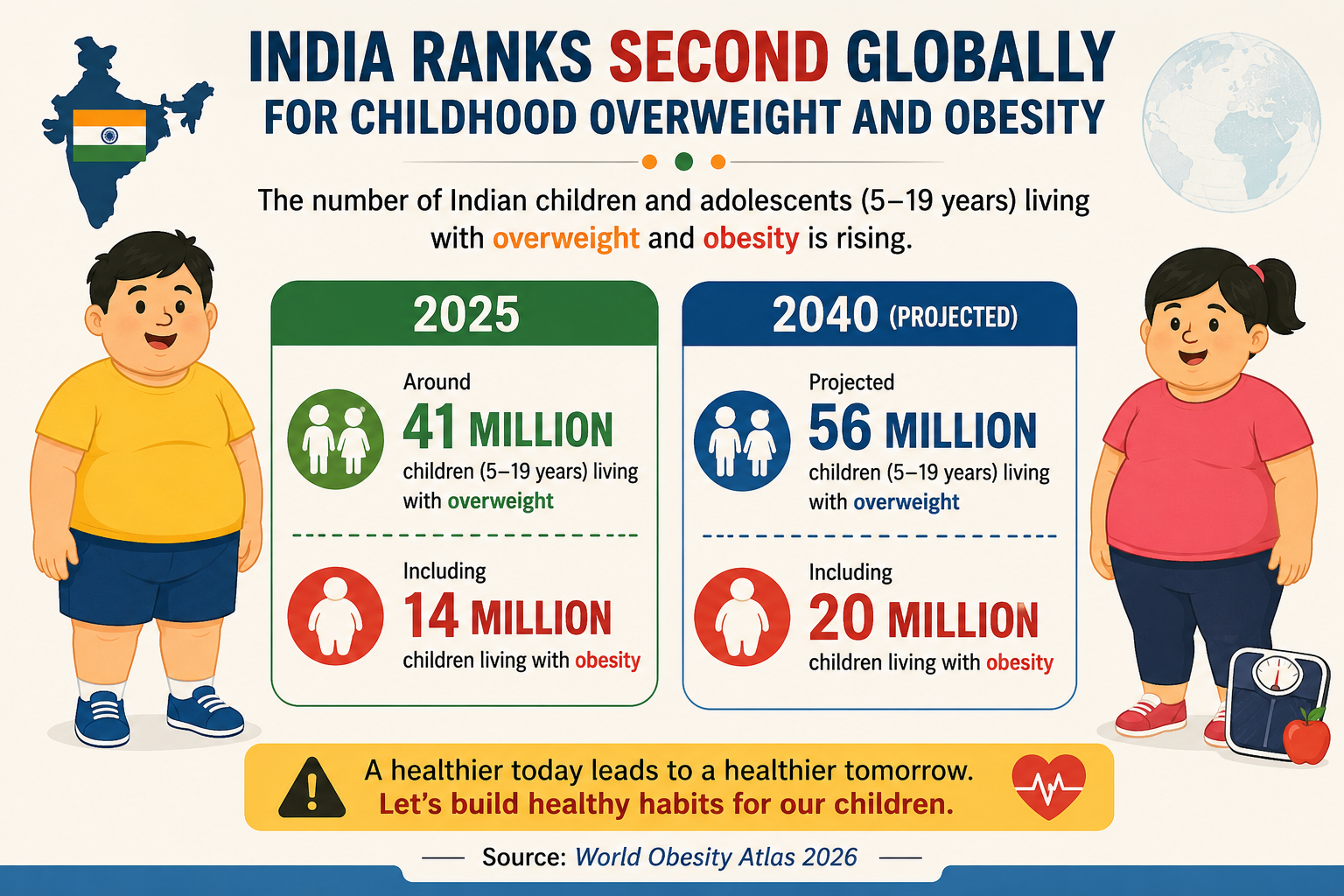
Obesity has become one of the most serious health challenges worldwide. According to the World Obesity Atlas 2026, around 177 million children and adolescents aged 5–19 years were living with obesity globally in 2025. By 2040, this number is projected to rise to 228 million, highlighting the growing global challenge of childhood obesity.
India ranks second globally in childhood overweight and obesity. By 2040, around 20 million children aged 5–19 years are expected to have obesity, while 56 million may be living with overweight.
This marks a significant shift in India’s nutrition landscape. Once, the nation’s biggest concern was undernutrition. Today, India faces a triple burden of stunting, undernutrition, and obesity.
That’s why it’s time to give this issue our full attention. In this blog, we’ll explore the key reasons behind the growing rates of overweight and obesity among Indian youth — and what can be done to reverse this alarming trend.
BMI Categories for Children
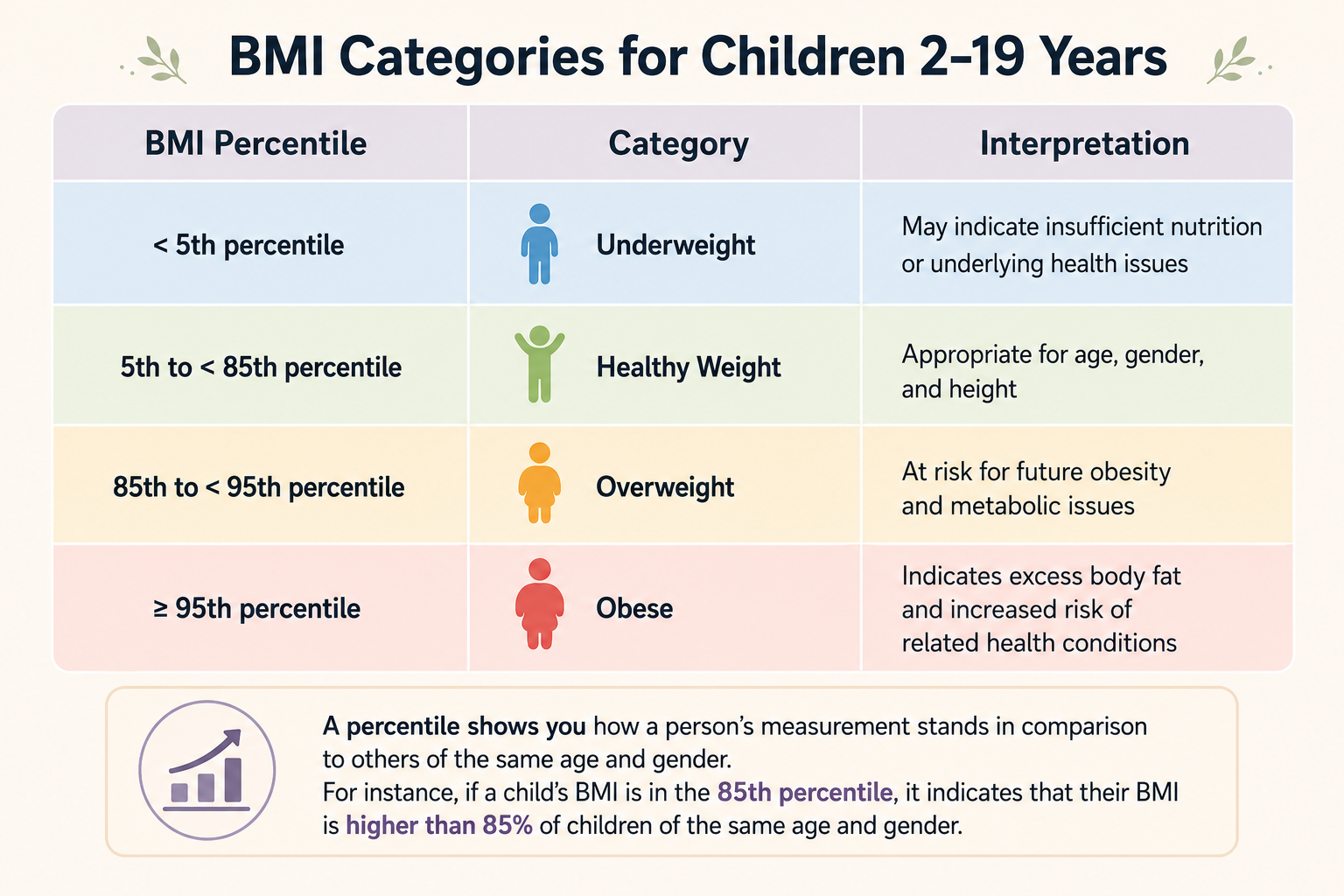
- For children and teenagers (ages 2–19 years), BMI (Body Mass Index) is interpreted differently than for adults.
- Since kids’ body composition naturally changes as they grow and can vary between boys and girls, we use BMI-for-age percentiles.
- These are based on reliable CDC growth charts (for the U.S.) or WHO charts (for global use) to provide an accurate understanding.
- 📌Please Note: In India, pediatricians often refer to the IAP (Indian Academy of Pediatrics) growth charts. But the percentile cut-offs are similar to those used by the CDC and WHO.
Key Reasons
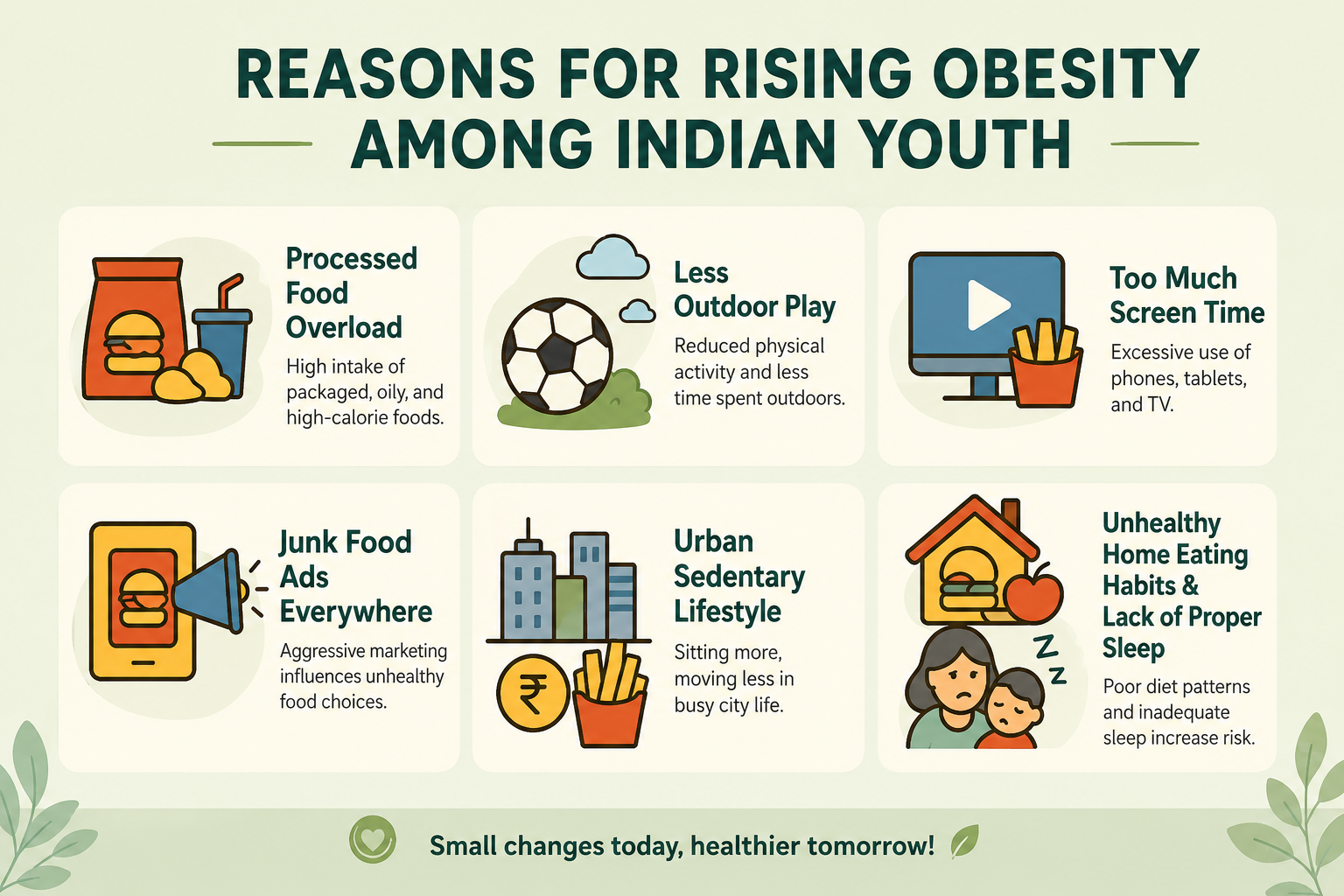
Several research studies have highlighted multiple factors contributing to the alarming rise in overweight and obesity among Indian children and adolescents. These include:
Poor Dietary Habits
- Increased intake of high-calorie, low-nutrient foods such as chips, fries, cakes, candies, and processed snacks.
- Growing reliance on fast food chains, packaged snacks, and sugary beverages.
- Easy availability and aggressive marketing of junk food appeal to young taste preferences.
Lack of Physical Activity
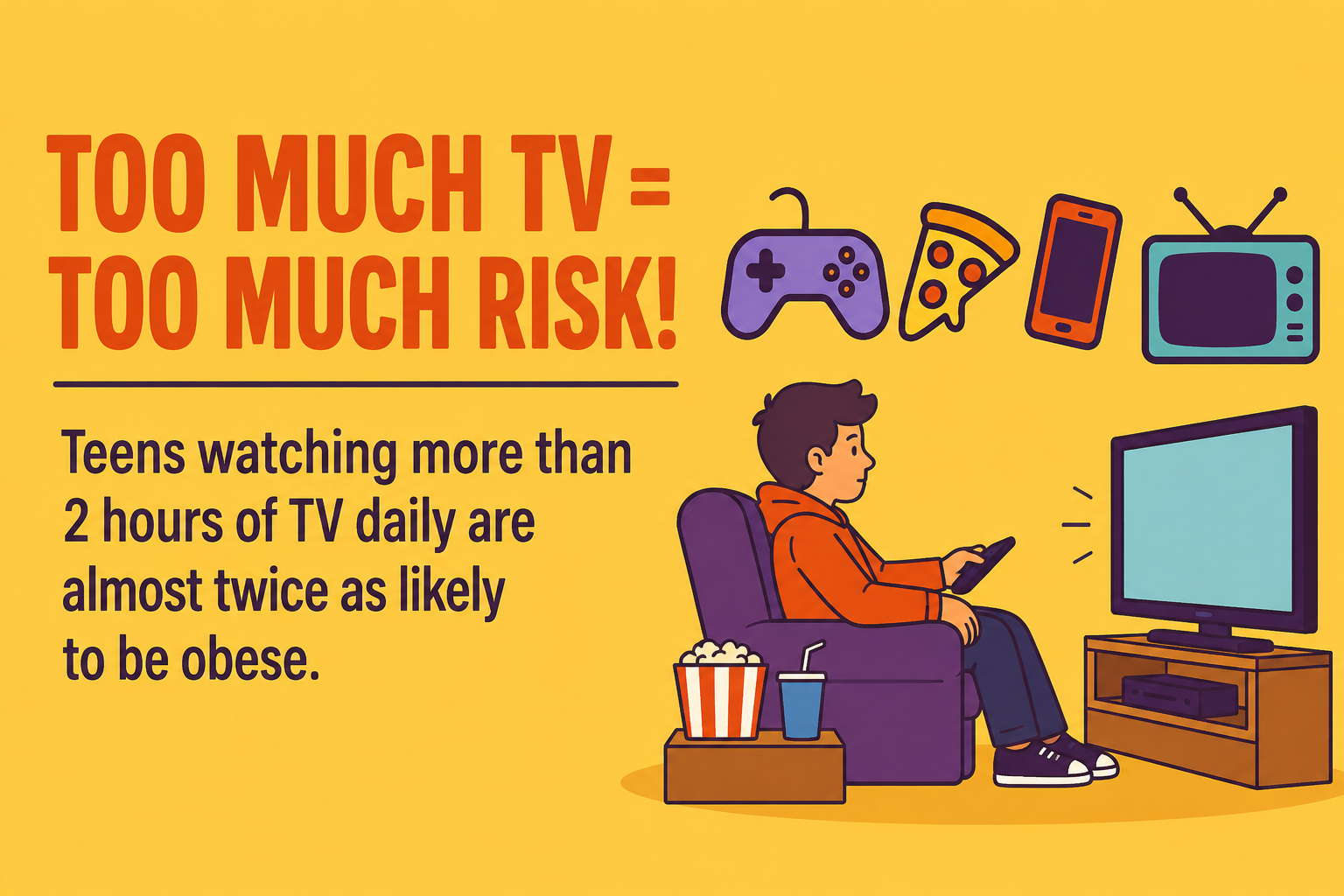
- Minimal outdoor play and a complete lack of structured exercise routines.
- Excessive screen time due to television, smartphones, gaming consoles, and digital entertainment.
Socioeconomic Factors
- Obesity is more common among children from urban and higher-income households, where sedentary lifestyles and calorie-rich diets are more common.
- Easy access to convenience foods and delivery apps further reduces physical activity.
Home Environment
- Children imitate their parents — a sedentary lifestyle and unhealthy eating patterns at home strongly influence a child’s habits.
- Parental stress also impacts meal planning and emotional eating behaviors in children.
- Lack of mindful parenting around portion control and food choices.
Inadequate Sleep
- Research shows that sleeping less than 7 hours increases the risk of obesity by altering hormones that regulate hunger and metabolism.
- Irregular sleep habits, especially late-night screen use, disrupt natural body rhythms, which can promote weight gain.
Long-Term Effects of Childhood Obesity
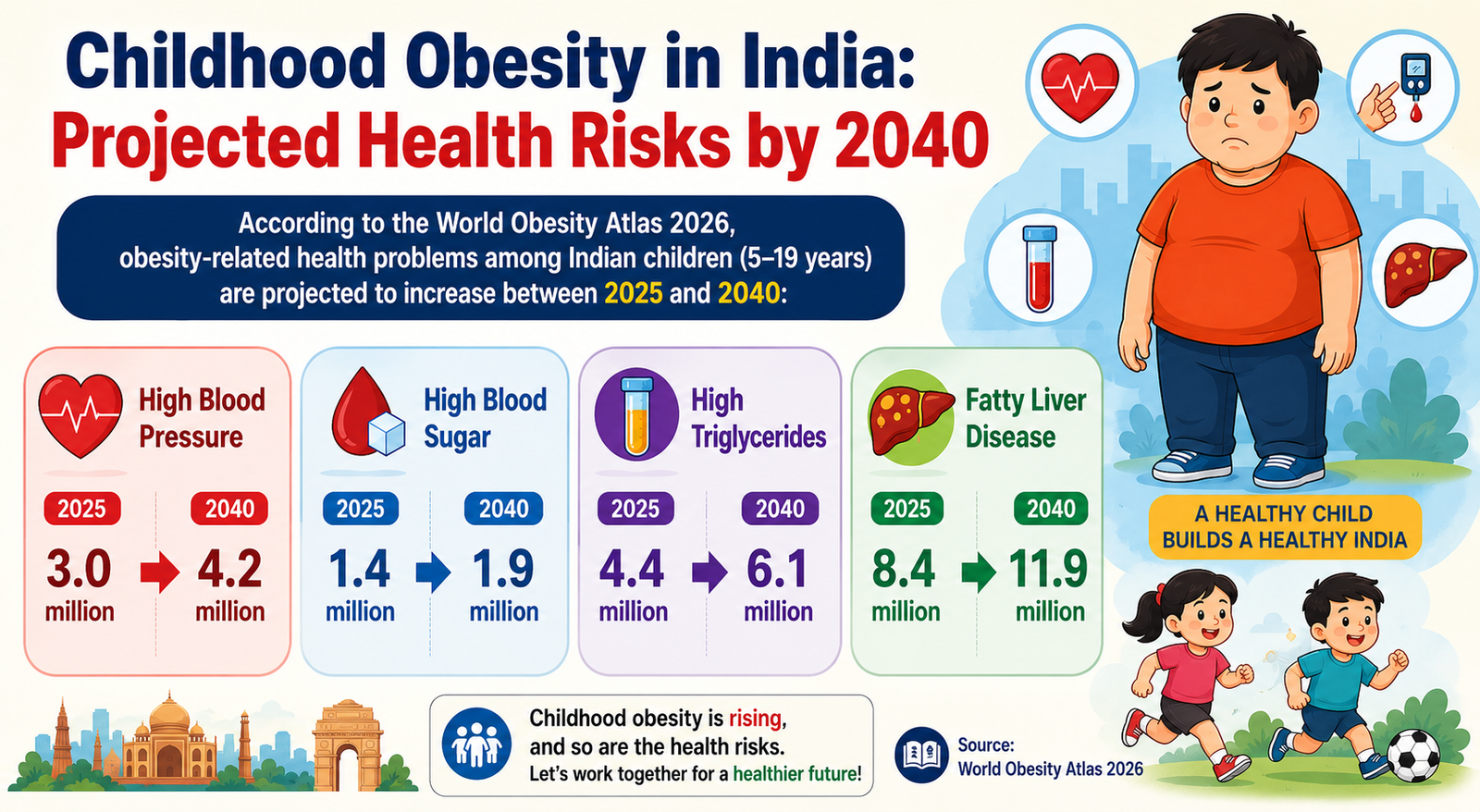
Being overweight in childhood and teenage years affects immediate health and is associated with multiple health issues, both physical and mental.
Physical Issues
- Cardiovascular or heart diseases
- Hypertension or high blood pressure
- Diabetes
- Early onset of joint issues
- Increased risk of certain cancers
- Premature death
Psychological and Emotional Issues
- Low self-Esteem
- Body Image Issues
- Depression
- Anxiety
- Poor school performance
Practical Solutions for Dealing with Obesity
Parents’ Level
- Parents greatly influence what children eat and how active they are.
- Educating parents on nutritious meals and regular exercise can help prevent obesity.
- Ensuring children get enough sleep and reduce screen time (such as watching TV or using phones) helps maintain their weight.
- Parents should create a healthy home environment by cooking nutritious meals and encouraging outdoor play.
School-Based Programs
- Schools are excellent places to educate children about healthy living.
- Programs can include:
- Nutrition classes are designed to educate about healthy eating.
- Daily physical activities such as sports or exercise sessions.
- Healthy meals in school canteens rather than junk food.
- A supportive school environment helps children build lifelong healthy habits.
Government Policies
- The government can assist by making healthy choices more accessible and affordable.
- Examples include:
- Tax on sugary drinks and junk food.
- Subsidies for fruits, vegetables, and whole grains.
- Health awareness campaigns to educate families.
- Such policies can encourage better eating habits across communities.
Community Programs
- Communities can support families by:
- Offering safe spaces for exercise, like parks or sports centers.
- Providing access to affordable, healthy food through local markets.
- Holding health workshops and fitness drives to spread awareness.
- Doctors and health workers can also help by screening children regularly and offering guidance on weight management.
Use of Technology
- Wearable Technology can make staying healthy more fun and easier.
- Health apps, online consultations, and fitness trackers help monitor progress.
- Games and challenges that encourage exercise or healthy eating can motivate young people to remain active.
Follow the 5-2-1-0 Rule
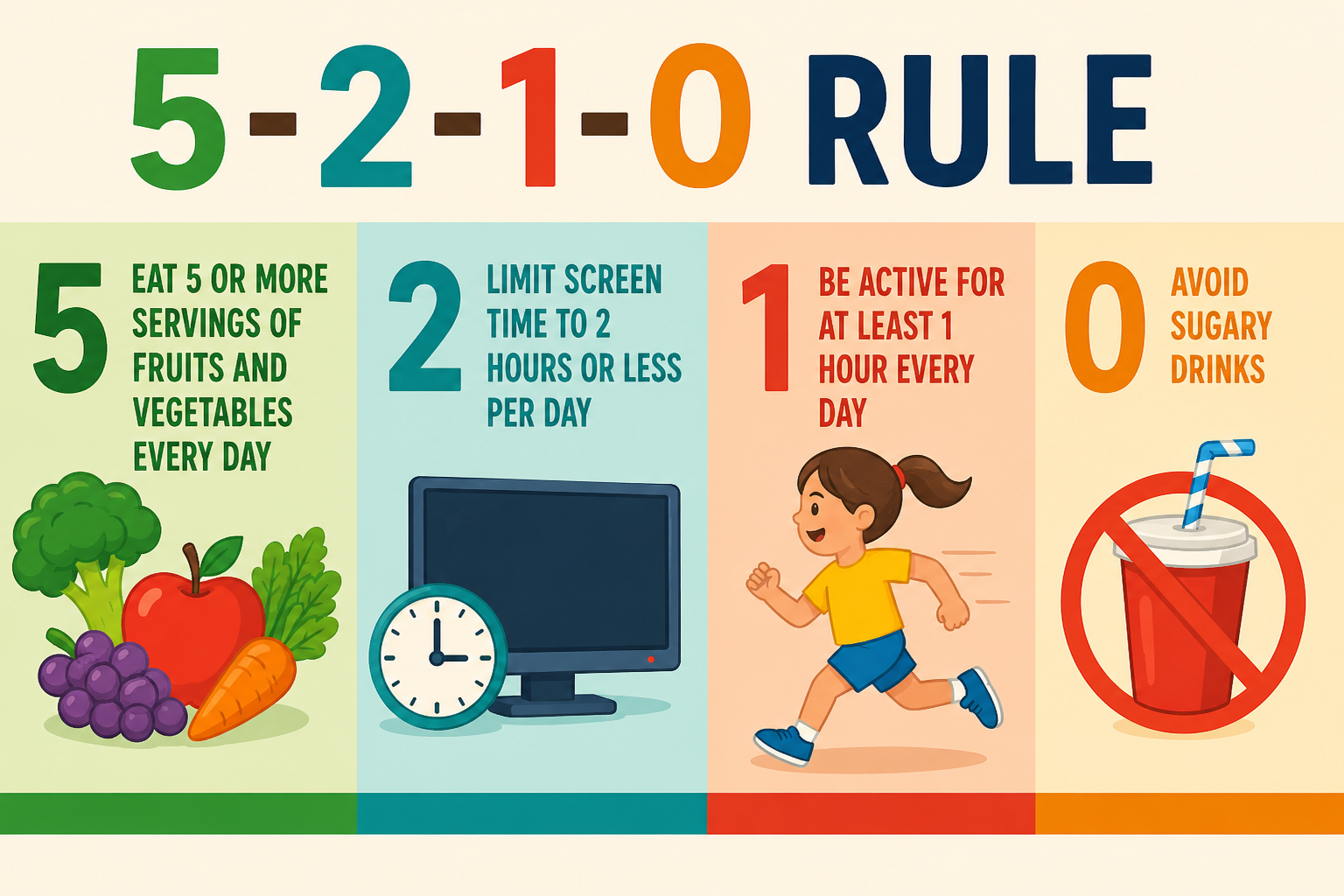
The 5-2-1-0 Rule is an easy and effective method to promote healthy habits in children. It plays a valuable role in preventing obesity and supporting overall well-being. Here’s what it stands for 👇
🌈 5️⃣ — Eat 5 or more servings of fruits and vegetables every day
🥦 Helps ensure kids get enough vitamins, minerals, and fiber for healthy growth.
📺 2️⃣ — Limit screen time to 2 hours or less per day
📱 Reduces sedentary behavior and improves focus, sleep, and physical health.
🏃♀️ 1️⃣— Be active for at least 1 hour every day
⚽ Promotes stronger muscles and bones, better mood, and heart health.
🚫 0️⃣— Avoid sugary drinks
💧 Choose water or milk instead to prevent excess calories and sugar intake.
Key Initiatives by the Indian Government
Fit India Movement
- Launched in August 2019 by the Honorable Prime Minister Narendra Modi.
- Fit India has started many campaigns to promote fitness awareness across schools, colleges, villages, and other communities.
- Fit India encourages people to engage in at least 30-60 minutes of physical activity daily.
Eat Right India
- FSSAI launched ‘The Eat Right Movement’ in 2018 to improve public health and combat negative nutritional trends and lifestyle diseases in India.
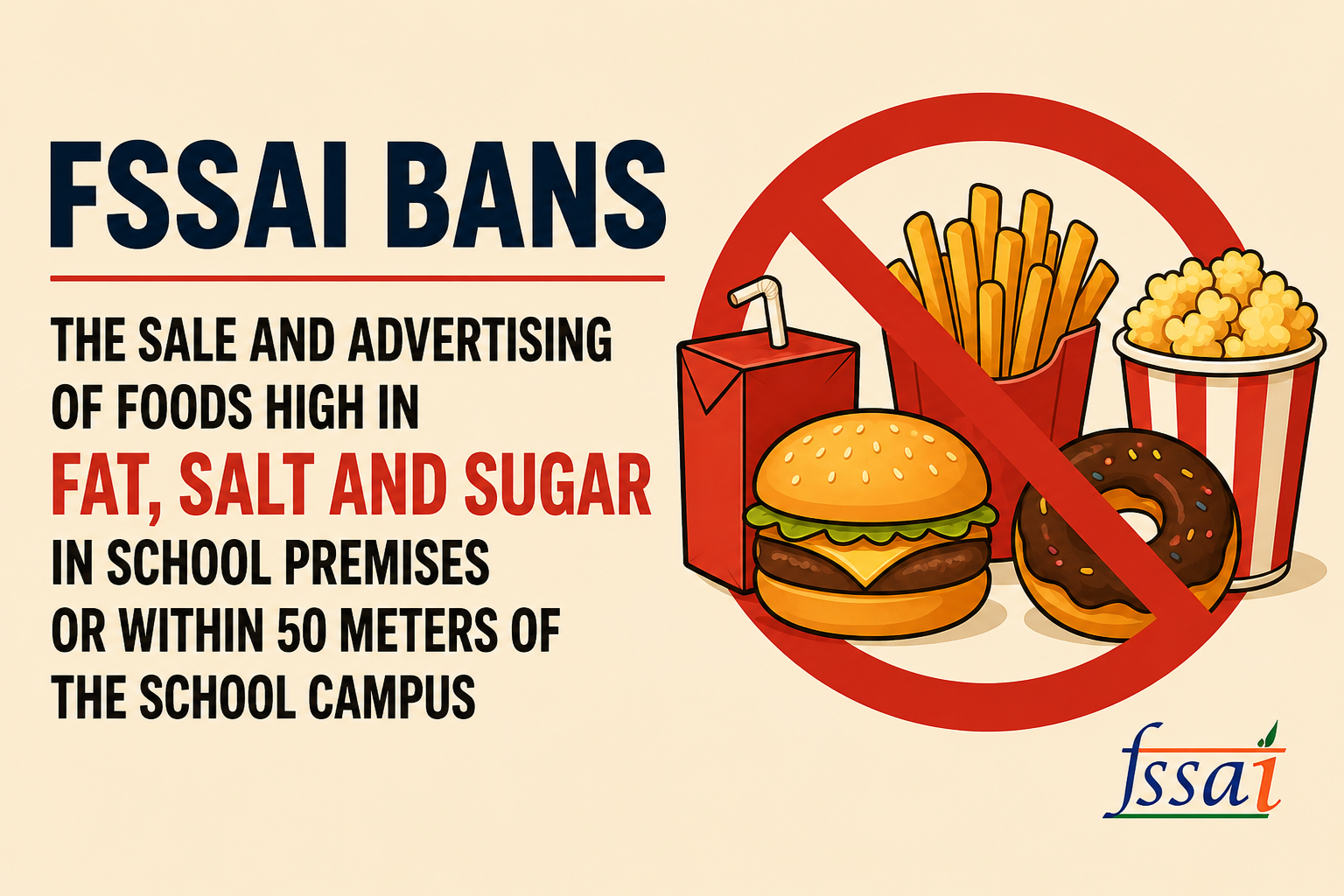
- Under this initiative, FSSAI has taken a positive step by banning the sale and advertising of foods high in fat, salt, and sugar in school canteens/mess premises/hostel kitchens or within 50 meters of the school campus.
Other Supporting Initiatives
- Rashtriya Kishor Swasthya Karyakram – An Indian government program dedicated to promoting the health and well-being of adolescents aged 10–19, with a special focus on preventing overweight and obesity.
- Poshan Abhiyaan primarily focuses on tackling undernutrition and improving the health of children and mothers. It also includes important components, such as encouraging balanced diets and reducing oil and sugar intake, which can help prevent obesity over time.
- The Ministry of AYUSH actively promotes health and happiness by organizing events such as the International Day of Yoga, setting up inviting Yoga Parks, and working hand in hand with various institutions to offer engaging workshops and training sessions.
Let’s Team Up for Change: Healthier Kids, Healthier India
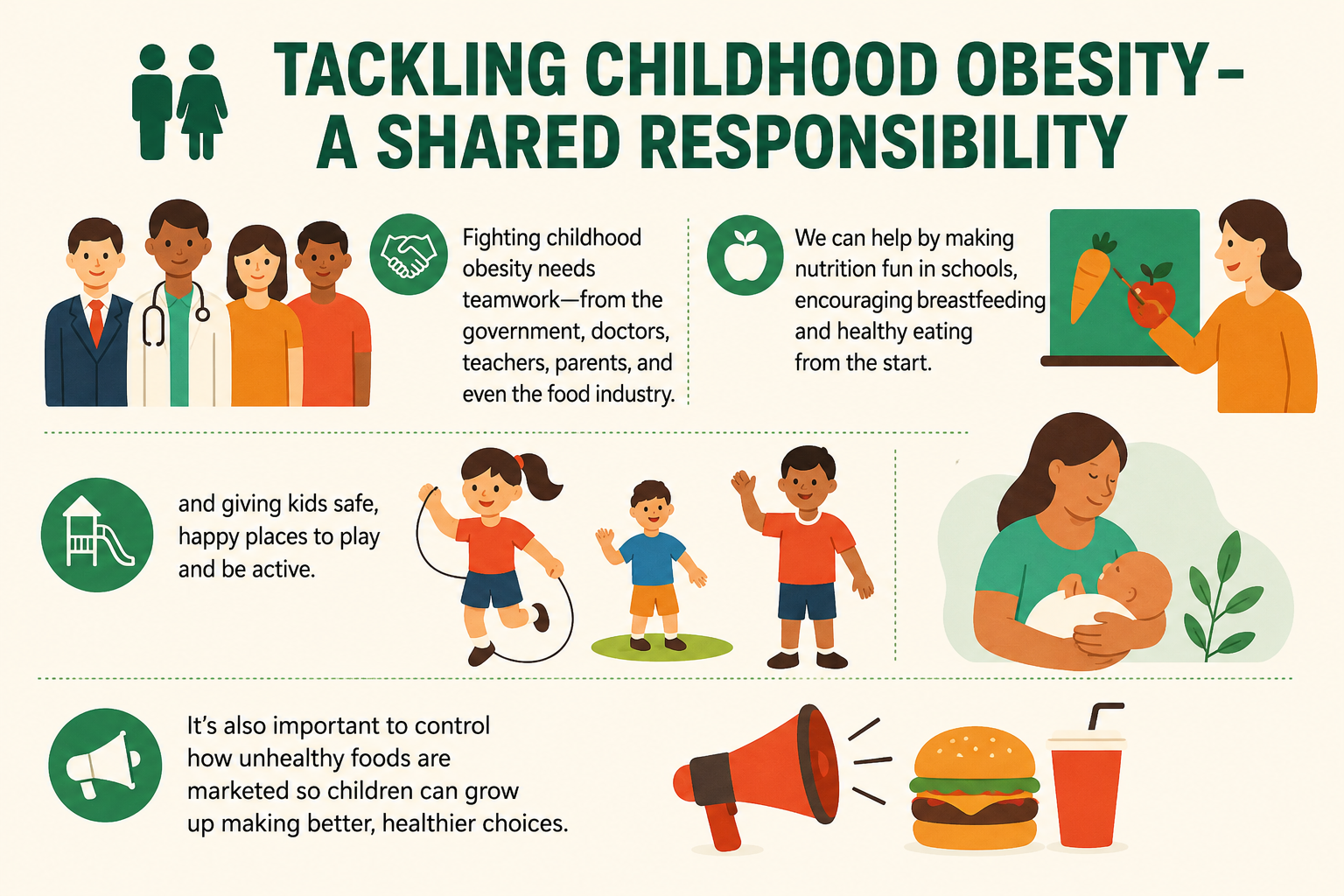
Tackling childhood obesity is a team effort that truly involves everyone — parents, teachers, healthcare workers, policymakers, and communities. When we work together, we can help every Indian child thrive, stay healthy, and reach their full potential.
Key Takeaway
- India is Facing a Triple Nutrition Challenge
- 🥗Undernutrition | Stunting | Rising Obesity
- By 2040
- 👉 20 million Indian children and teens may be obese
- Parents — The First Health Coaches
- ✅ Set healthy eating habits
- ✅ Limit sugary snacks and screen time
- ✅ Encourage outdoor play
- Schools Matter Too
- 💪 Promote daily fitness
- 🥦 Reform canteen menus
- 📢 Support the FSSAI ban on the sale and ads of high-fat, high-salt, and high-sugar foods in and near schools.
- Healthier Communities = Healthier Kids
- 🏃♂️ Promote fitness drives
- 🏞️ Develop more parks
- 🧠 Conduct awareness workshops
- Use Technology
- ⌚Try fitness trackers, health apps and online health challenges
- Prevention is the Best Cure
- ➡️Start early
- ➡️ Stay consistent
- ➡️ Build lifelong healthy habits
Further Reading
- World Obesity Federation. (2026). World obesity atlas 2026: Childhood obesity (2nd ed.). https://data.worldobesity.org/publications/?cat=24
- World Health Organization. (2025, May 7). Obesity and overweight [Fact sheet]. https://www.who.int/news-room/fact-sheets/detail/obesity-and-overweight
- World Health Organization. (2021). Obesity and overweight. WHO. https://www.who.int/news-room/fact-sheets/detail/obesity-and-overweight
- World Obesity Federation. (2026). World obesity atlas 2026: Childhood obesity (2nd ed.). https://data.worldobesity.org/publications/WOF-Obesity-Atlas-2026-2026-03-18.pdf
- Centers for Disease Control and Prevention. (2024, June 28). Child and Teen BMI categories https://www.cdc.gov/bmi/child-teen-calculator/bmi-categories.html
- Singh, S., Awasthi, S., Kapoor, V., & Mishra, P. (2023). Childhood obesity in India: A two-decade meta-analysis of prevalence and socioeconomic correlates. Clinical Epidemiology and Global Health, 23, 101390. https://doi.org/10.1016/j.cegh.2023.101390
- Panda, A., Parida, J., Jena, S., Behera, S. S., Pradhan, A., Patra, P. K., Pati, S., Kaur, H., & Acharya, S. K. (2025). Prevalence and associated risk factors of overweight and obesity among adolescent population of India: A scoping review. BMC Nutrition, 11, Article 110. https://doi.org/10.1186/s40795-025-01088-0
- Haghjoo, P., Siri, G., Soleimani, E., Abbasalizad Farhangi, M., & Alesaeidi, S. (2022). Screen time increases overweight and obesity risk among adolescents: A systematic review and dose-response meta-analysis. BMC Primary Care, 23, Article 161. https://doi.org/10.1186/s12875-022-01761-4.
- Marcus, C., Karin, B., & Michaëlsson, K. (2023). Pediatric obesity—Long-term consequences and effect of weight loss. Nature Reviews Endocrinology, 19(2), 71–86. https://doi.org/10.1038/s41574-022-00737-1
- Goel, A., Reddy, S., Goel, P., & Spoorti, R. (2024, July 20). Causes, consequences, and preventive strategies for childhood obesity: A narrative review. Cureus, 16(7), e66789. https://doi.org/10.7759/cureus.66789
- Bera, O. P., Saleem, S. M., Singh, D. K., Gokdemir, O., Tripathi, S., Ghatak, N., Hossain, M. M., & Bhattacharya, S. (2021). Optimizing the impact of health and related programmes/policies to address the issue of childhood obesity in India: A narrative review. Journal of Family Medicine and Primary Care, 10(4), 1554–1561. https://doi.org/10.4103/jfmpc.jfmpc_2050_20
- Jacob, J. J. (2024). Tackling the rising tide: Understanding the prevalence of childhood obesity in India. Indian Journal of Endocrinology and Metabolism, 28(2), 101-103. https://doi.org/10.4103/IJEM.IJEM_144_24.
- Ministry of Youth Affairs and Sports. (n.d.). Fit India Movement. Retrieved October 28, 2025, from https://fitindia.gov.in/
- Food Safety and Standards Authority of India. (2020, September 8). Healthy diet: FSSAI bans sales, ads of junk foods in school canteens, within 50 metres of campus [Press release]. https://fssai.gov.in/upload/media/FSSAI_News_Healthy_Financial_09_09_2020.pdf.
- Food Safety and Standards Authority of India. (n.d.). Eat Right India. Retrieved October 28, 2025, from https://eatrightindia.gov.in/.
- Press Information Bureau. (2024, [Date]). Addressing obesity — reducing sugar and salt to build a healthier India [Press note]. Government of India. https://www.pib.gov.in/PressNoteDetails.aspx?NoteId=155235&ModuleId=3.
- Press Information Bureau. (2025, March 1). Towards a fit and healthy India: Combating obesity through collective action [Press release]. Government of India. https://www.pib.gov.in/PressReleaseIframePage.aspx?PRID=2107179.
Disclaimer: The information provided on Medical Pharma Lifestyle Pulse is for educational and informational purposes only and is not intended as medical advice, diagnosis, or treatment. Always consult a qualified healthcare professional before making any decisions about your health, medications, or treatment. Never ignore or delay seeking professional medical advice based on information you have read on this website. While we strive to provide accurate and up-to-date information, we do not guarantee the completeness or accuracy of the content. For more information, please read our full Medical Disclaimer.