
Table of Contents
Introduction
As more Indians focus on fitness, longevity, and preventive health, nutritional supplements have steadily moved from the medicine cabinet into daily routines. Among the most popular are omega-3 fatty acids—often taken to support heart health, brain function, and joint mobility. With fish not a regular part of many Indian diets, omega-3 capsules are widely seen as a convenient way to fill the gap.
But are omega-3 supplements truly essential for everyone, or are they taken more out of habit than need?
In this blog, we break down what omega-3s are, why they matter, where Indian diets may fall short, who can genuinely benefit from supplements, and how to choose between food sources and capsules—so you can make an informed decision that suits your lifestyle.
What are Fatty Acids?

- Fats are essential nutrients, and fatty acids are the basic building blocks of fats.
- Every fat we consume—whether from oils, nuts, dairy, or fish—is made up of different fatty acids.
What are the types of fatty acids?
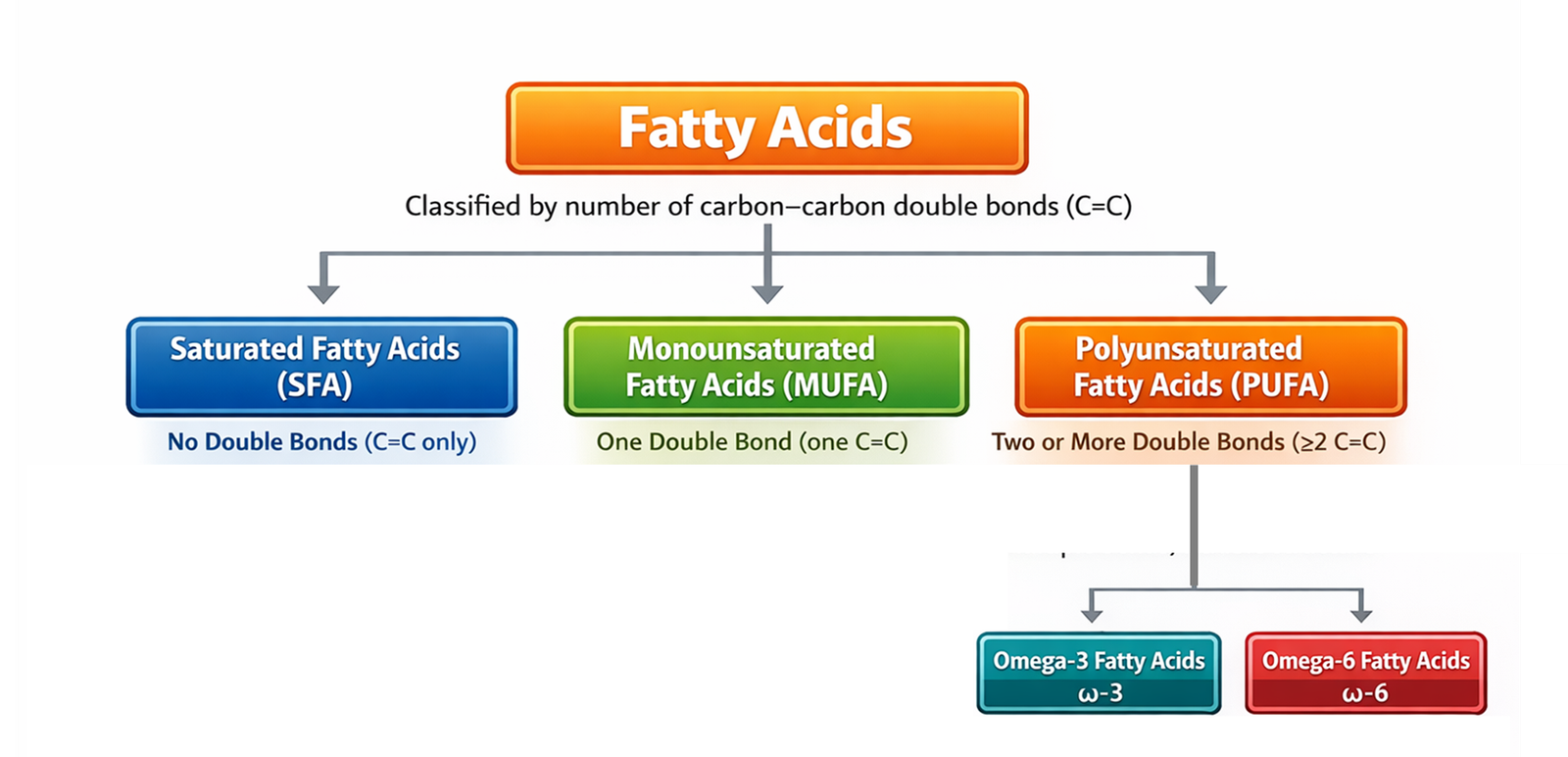
- Fatty acids are classified based on the number of double bonds in their chemical structure:
Saturated fatty acids (SFA)
- no double bond
- Considered Unhealthy fats (when consumed in excess)
- Typically solid at room temperature
- Common sources: Butter, cheese, beef, lamb, ghee
Monounsaturated fatty acids (MUFA)
- one double bond
- Considered healthy fats
- Liquid at room temperature and hardens at colder temperatures
- Common sources: Olive oil, canola oil, avocados, nuts
Polyunsaturated fatty acids (PUFA)
- Contain at least two double bonds
- Considered healthy fats
- Two major classes of PUFAs are the omega-3 and omega-6 fatty acids.
- Common sources: Nuts, seeds, fish, fish oils
What are Omega-3 Fatty Acids?
- Omega-3 fatty acids are polyunsaturated fatty acids (PUFAs) that play important roles in the body.
- The three main types are:
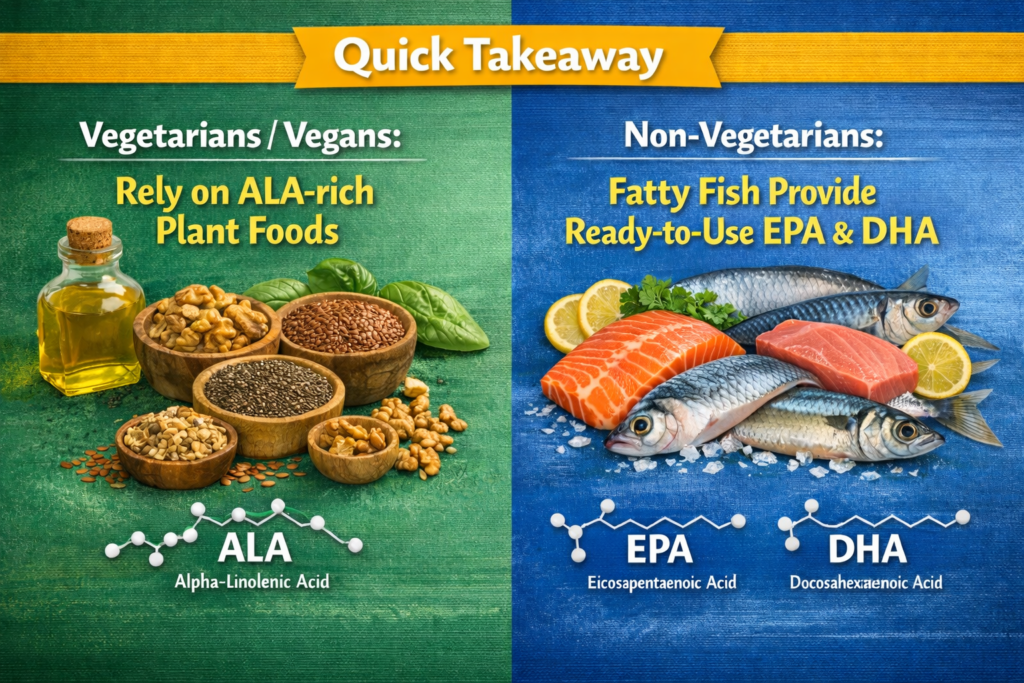
- ALA (Alpha-linolenic acid) – Plant Omega-3 because it’s found in plants
- EPA (Eicosapentaenoic acid) – marine omega-3 because it’s found in fish
- DHA (Docosahexaenoic acid) – marine omega-3 because it’s found in fish
- Although the body can convert ALA into EPA and DHA, the conversion is limited. Therefore, dietary sources of EPA and DHA can be important.
Which foods are rich in Omega-3?
ALA (Plant-based Omega-3)
- An essential plant-based omega-3 fatty acid that the body cannot produce on its own and therefore must be obtained through the diet.
- ALA can be converted into EPA and then to DHA in the body, but the conversion is very limited
- Sources of ALA
- Seeds – Flax, Chia
- Nuts – walnuts
- Oils – Flaxseed, Canola, Soybean
- Green leafy vegetables – Spinach, kale
DHA & EPA (Marine Omega-3)
- Essential long-chain omega-3 fatty acids that play important roles in overall health.
- The body cannot produce enough of these fats, so they must be obtained through food or supplements
- Sources of EPA and DHA
- Cold-water fatty fish: Salmon, Mackerel, Tuna, Herring, and Sardines
What are the benefits of omega-3 fatty acids?

- Supports heart health
- Strong evidence that omega-3s reduce triglycerides (dose-dependent; stronger at 2–4 g/day EPA+DHA).
- Slightly lowers blood pressure. Small but clinically meaningful reductions, particularly in people with high blood pressure.
- May modestly lower the risk of heart disease in certain high-risk individuals.
- Important for brain structure and function
- DHA is a structural component of the brain.
- Essential during pregnancy and early life for neurodevelopment.
- Alzheimer’s and dementia
- May slow cognitive decline in early stages, but evidence for prevention is inconsistent.
- Mood and mental health
- EPA-dominant formulations may improve symptoms of major depressive disorder (adjunct therapy).
- Eye health
- May help lower the chances of Age-related Macular Degeneration, but strong long-term protection hasn’t been proven yet.
- Cancer (including breast cancer)
- Evidence is inconsistent. No strong proof that omega-3 prevents cancer.
What are the types of omega-3 Supplements?
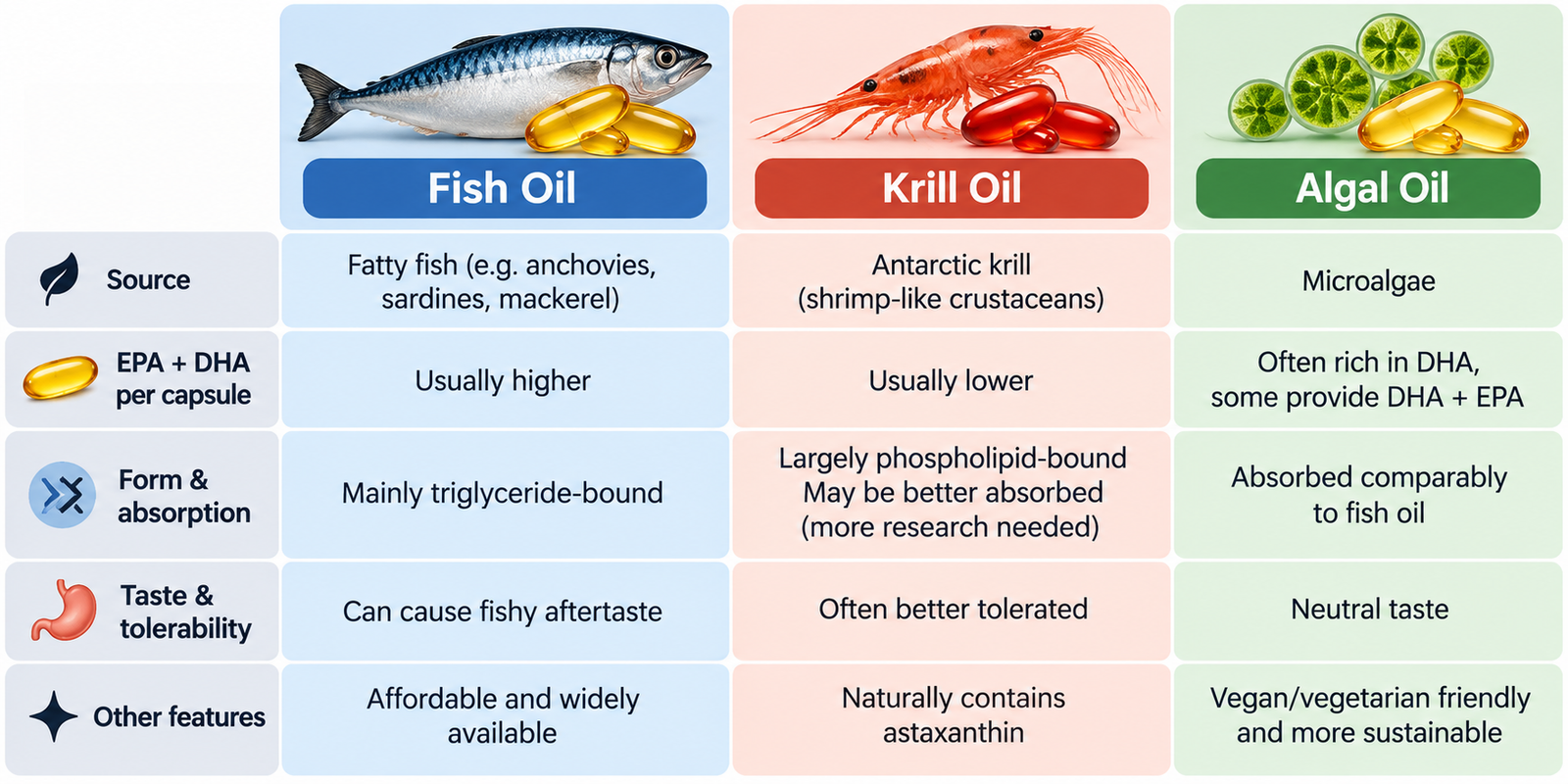
Fish Oil
- The most common form of omega-3 supplement.
- Typically derived from fatty fish like anchovies, sardines, mackerel, or salmon.
- Can cause a fishy aftertaste, depending on product quality.
- Usually provides more EPA + DHA per capsule and often better value for money than krill oil
- Highly affordable and widely accessible.
Krill Oil
- Comes from tiny shrimp-like crustaceans (krill) from Antarctica.
- Usually provides less EPA + DHA per capsule than concentrated fish oil.
- Krill omega-3s are largely phospholipid-bound, which may contribute to differences in absorption compared with fish oil.
- Some evidence suggests higher absorption, but more research is needed.
- Naturally contains astaxanthin, a powerful antioxidant.
- May be better tolerated by some people, with fewer complaints of fishy aftertaste or digestive discomfort
Algal Oil
- Derived from microalgae.
- Many products are naturally richer in DHA, while some formulations provide both DHA and EPA
- An excellent vegan/vegetarian alternative to fish oil.
- Recent clinical evidence suggests that DHA and EPA from microalgal oil can be absorbed comparably to those from fish oil when equivalent intake is considered.
- Generally has a neutral taste and is less likely to cause fishy burps.
- Considered a more sustainable source of omega-3 because it does not depend directly on harvesting fish.
Flaxseed Oil
- Plant-derived oil rich in ALA
- Good general omega-3 source, but not for EPA/DHA.
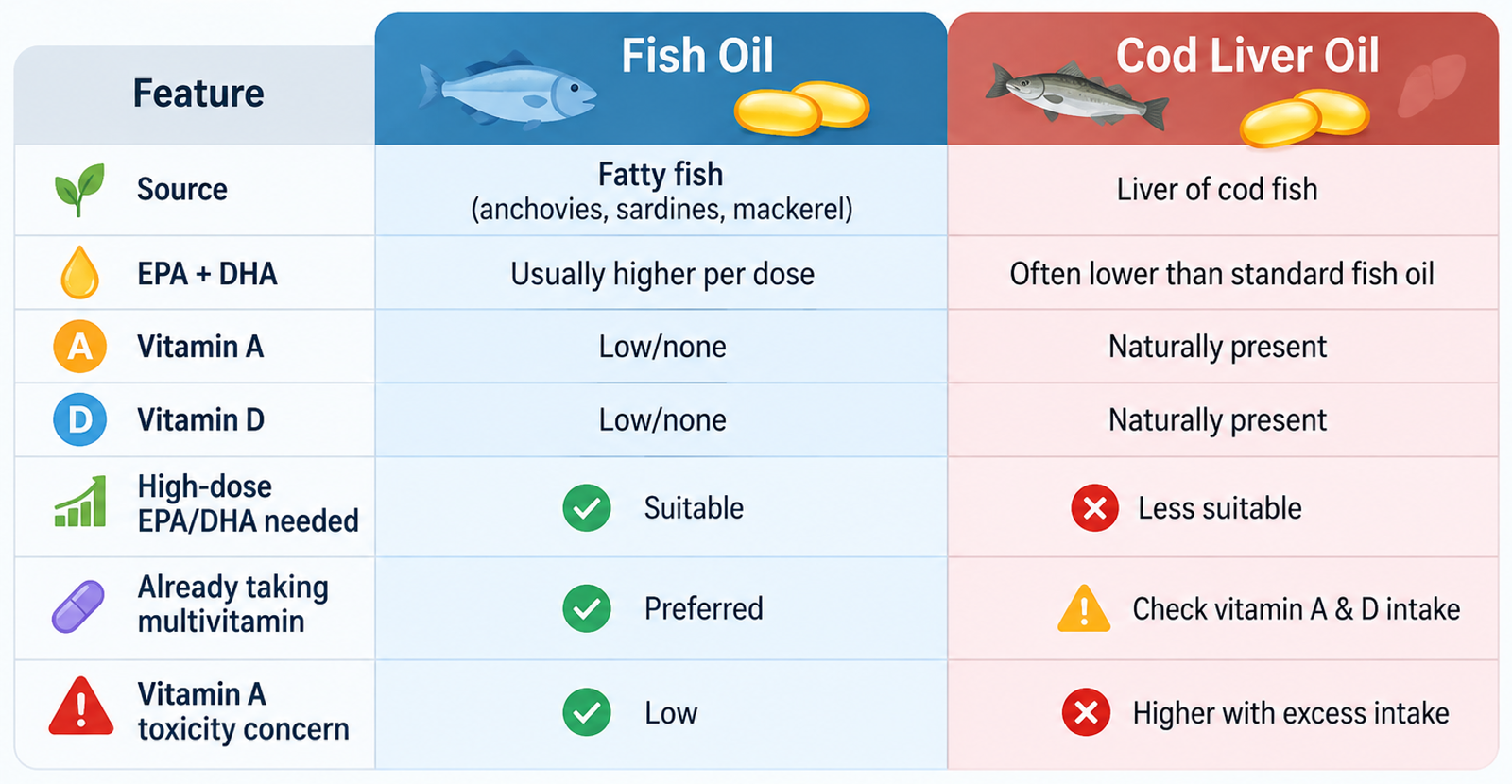
Fish Oil vs. Cod Liver Oil – What are the Differences?
Fish oil and cod liver oil both provide omega-3 fatty acids, but they differ in their nutrient profile and typical uses. Knowing these differences can help you choose the right supplement for your needs.
Does Everyone need omega-3 supplements?
No, Omega-3 supplements are not automatically necessary for everyone. For many people, getting omega-3s through a balanced diet, especially fish and other seafood, may be the better starting point. Supplements should be considered based on individual needs and medical advice.
You may consider an omega-3 supplement if you:
- Rarely eat fatty fish (less than 2 servings per week)
- Have high triglyceride levels
- Have specific risk factors for heart disease, and your healthcare professional recommends supplementation
- Follow a vegetarian or vegan diet, where EPA and DHA intake may be limited
- Have a specific health condition for which omega-3 supplementation has been recommended
🔑 The key is not “Should everyone take omega-3?” but “Do you actually need one?”
What to Check Before You Buy?
Omega-3 supplements are everywhere — but not all are created equal. Here’s a practical checklist to choose the right one.
Source
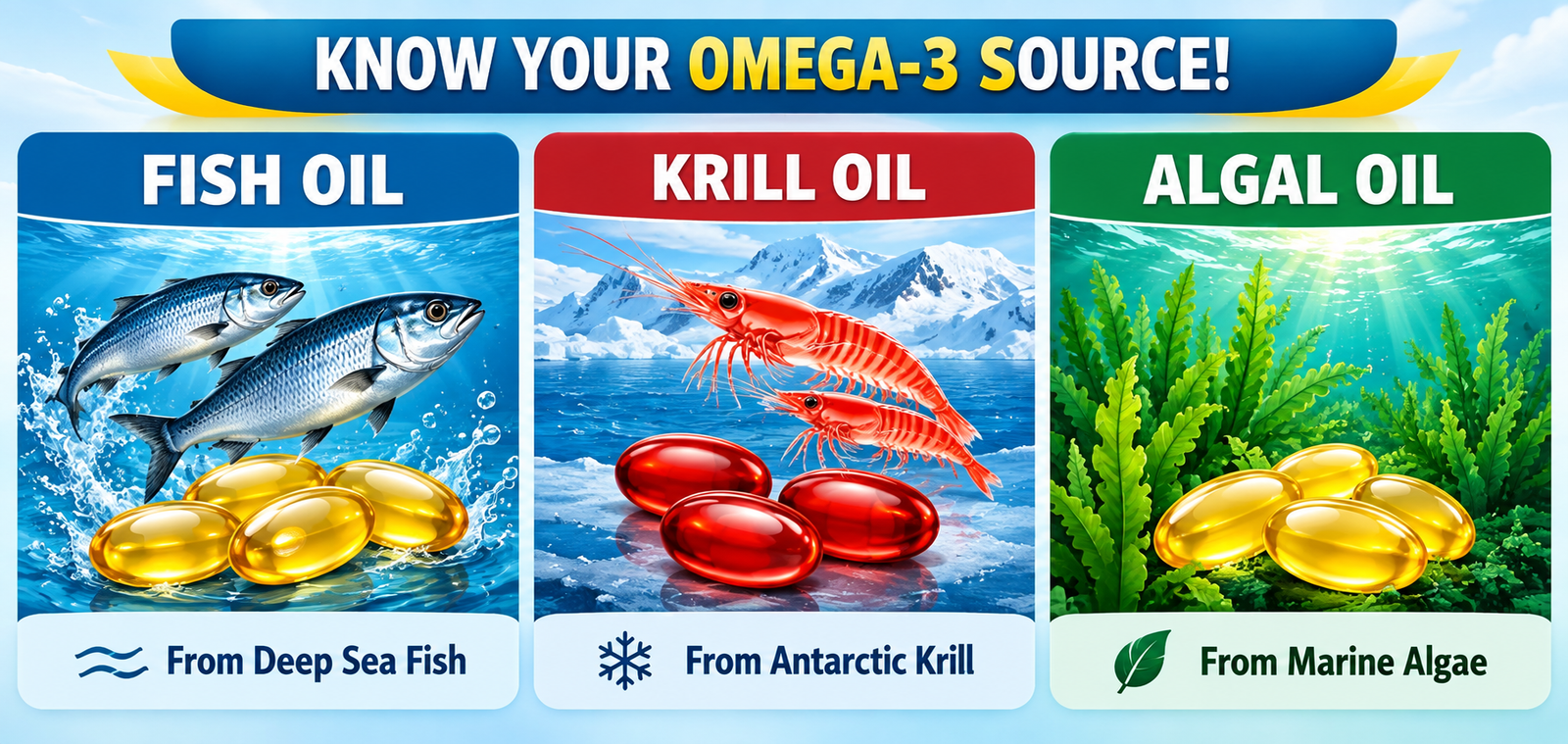
- To check an Omega-3 supplement’s source, look for fish oil, krill oil, or algal oil (vegan source) on the label.
EPA & DHA Content
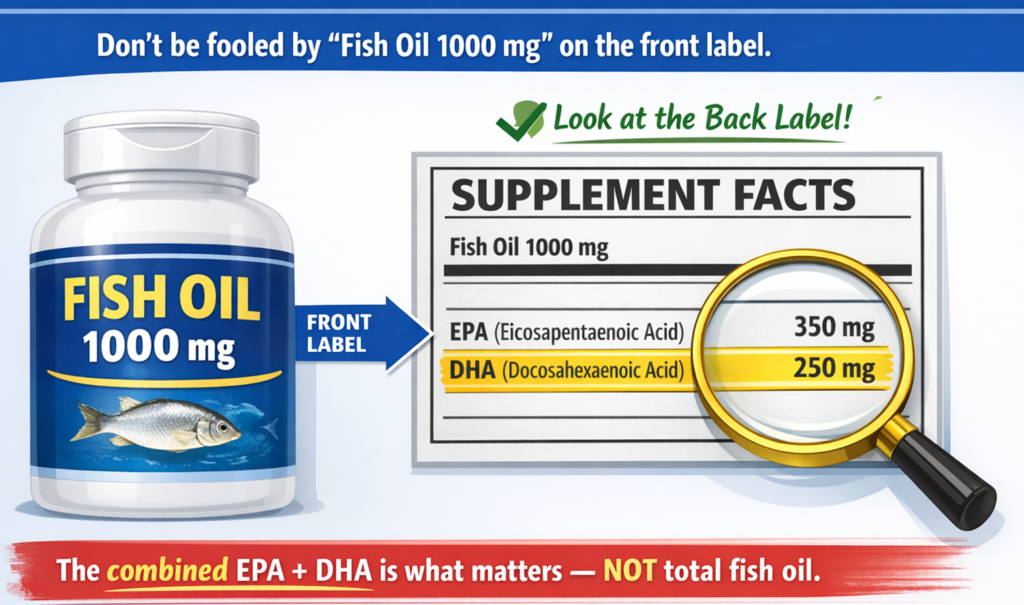
- Don’t be misled by “Fish Oil 1000 mg” on the front label. This figure refers to total fish oil content, not the active omega-3 fatty acids. Always check the back label for the actual amounts of EPA and DHA.
Form of Fish Oil
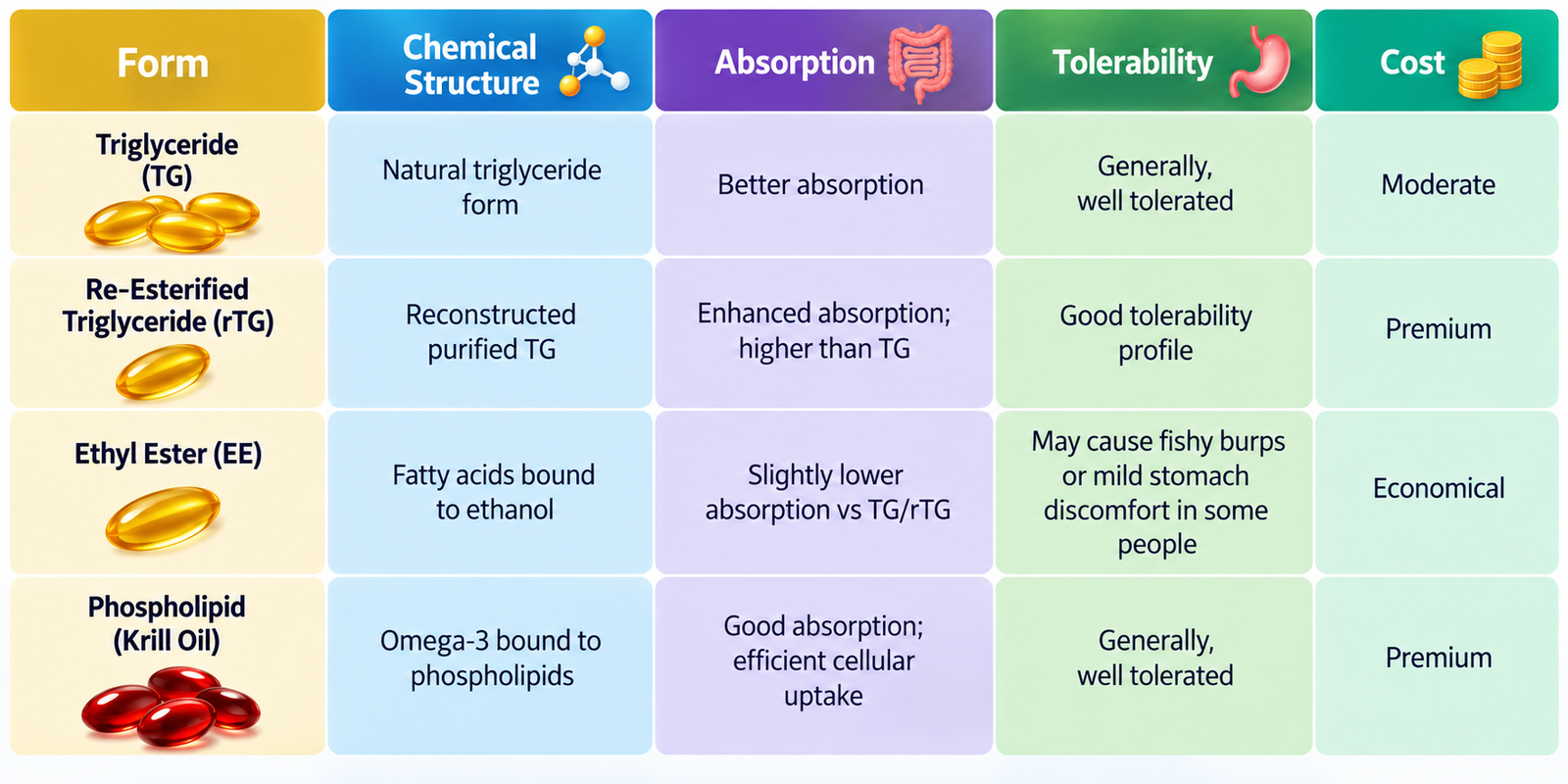
- The form of fish oil determines how omega-3 fatty acids are structured, absorbed, and tolerated.
- It also determines the cost of the supplement.
- Understanding these forms can help you compare supplements beyond just the EPA + DHA content.
Purity and Contaminants

- An omega supplement purity certificate, often called a Certificate of Analysis, verifies a product’s quality by testing for contaminants (heavy metals), EPA/DHA levels, and freshness against strict standards.
- Look for labels that say:
- ✔️ “Third-party tested”
- ✔️ “Purity tested”
- ✔️ “Standards met for heavy metals”
- FSSAI Approval / License (required in India) — ensures the product complies with Indian food safety laws.
Serving and Dosage
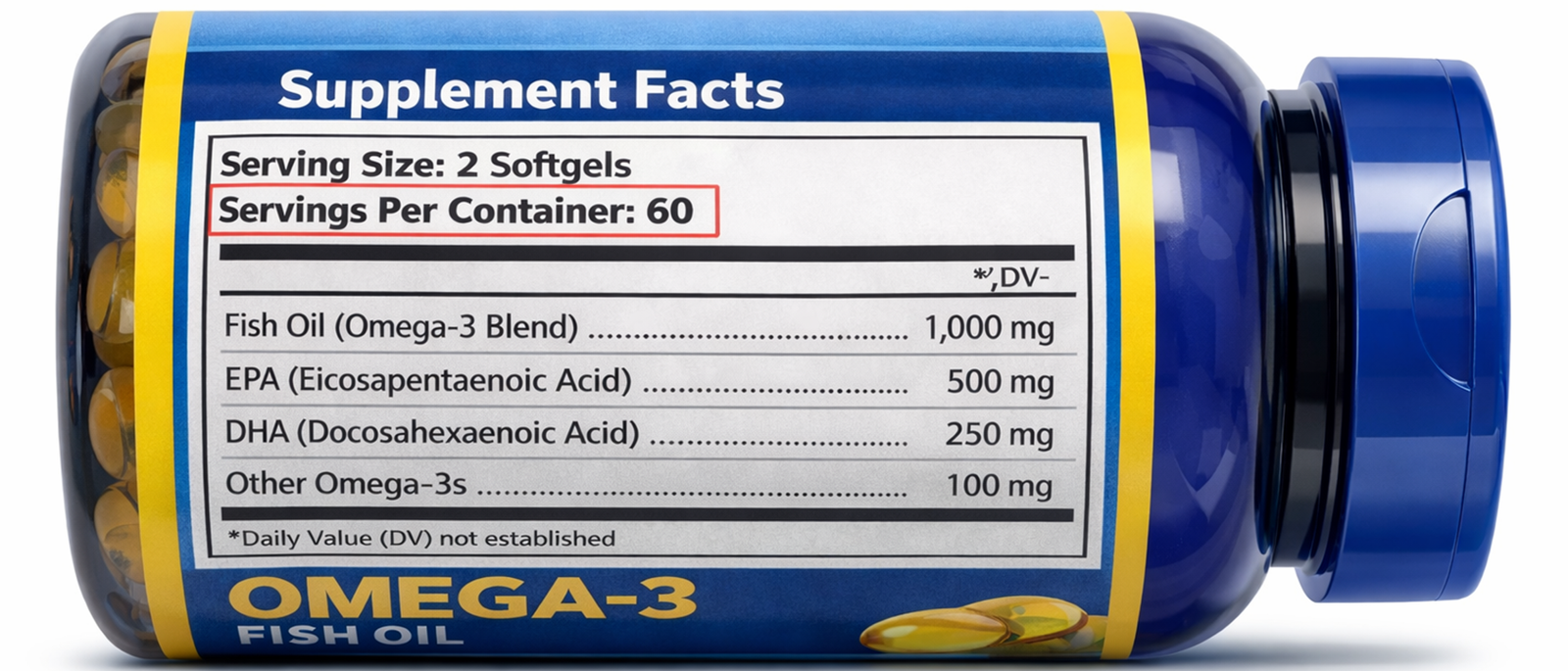
- Serving size — tells you how much you take per dose — e.g., 2 softgels or 1 teaspoon (if liquid).
- Servings Per Container — Shows how many daily doses are in the bottle — e.g., 60, 90, 120.
- Dosage- Look for the actual amount of EPA + DHA per serving, not just the total oil amount.
Additives and Other Nutrients
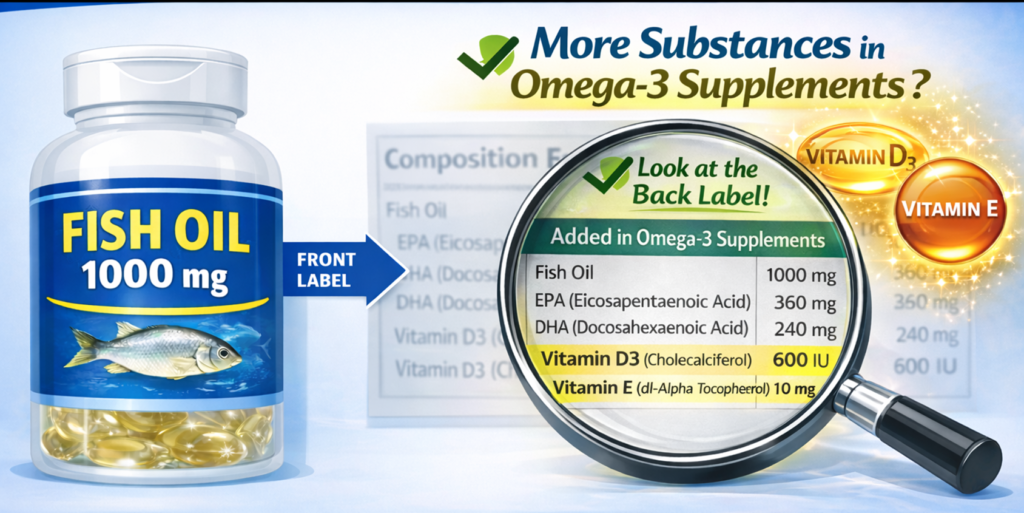
- Some supplements add:
- Vitamin D
- Antioxidants like Vitamin E
- Flavors
- Less desirable additives:
- ❌ Artificial colors/flavors
- ❌ Unnecessary fillers
What is the recommended dose?
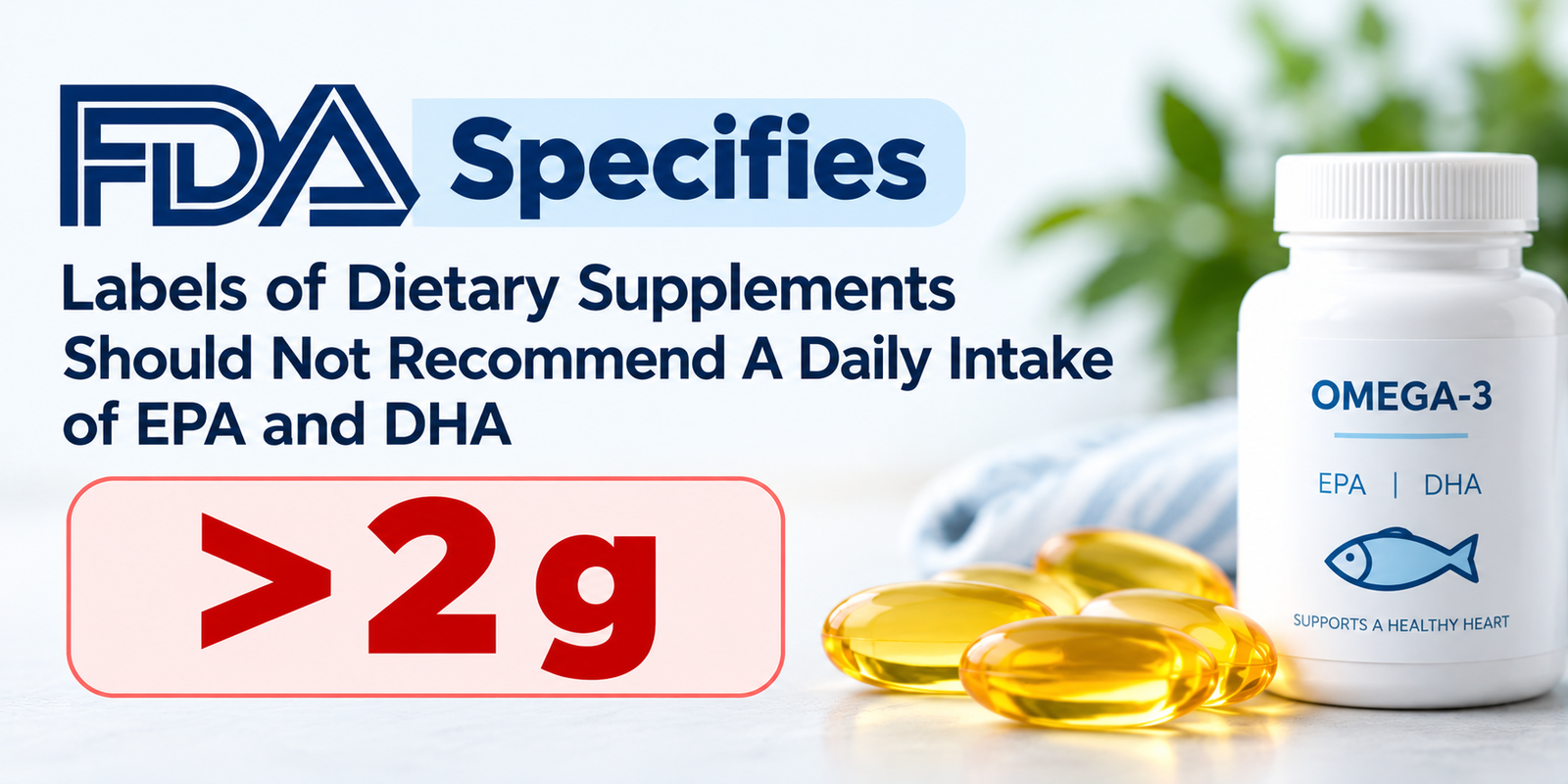
- EPA /DHA dose
- Healthy Adults: Aim for 250–500 mg combined EPA+DHA per day for basic health, with some sources suggesting 500 mg for general wellness.
- Specific Goals: The American Heart Association recommends higher doses (2–4 grams) for lowering triglycerides.
- Maximum Intake: The FDA suggests keeping combined intake from supplements under 3 grams (3,000 mg) per day unless advised by a healthcare provider.
- ALA Dose
- ALA has most often been used by adults in doses of 600-1800 mg by mouth daily for up to 6 months.
Commonly reported side effects
- Commonly reported side effects of omega-3 supplements are usually mild. These may include:
Important Precautions
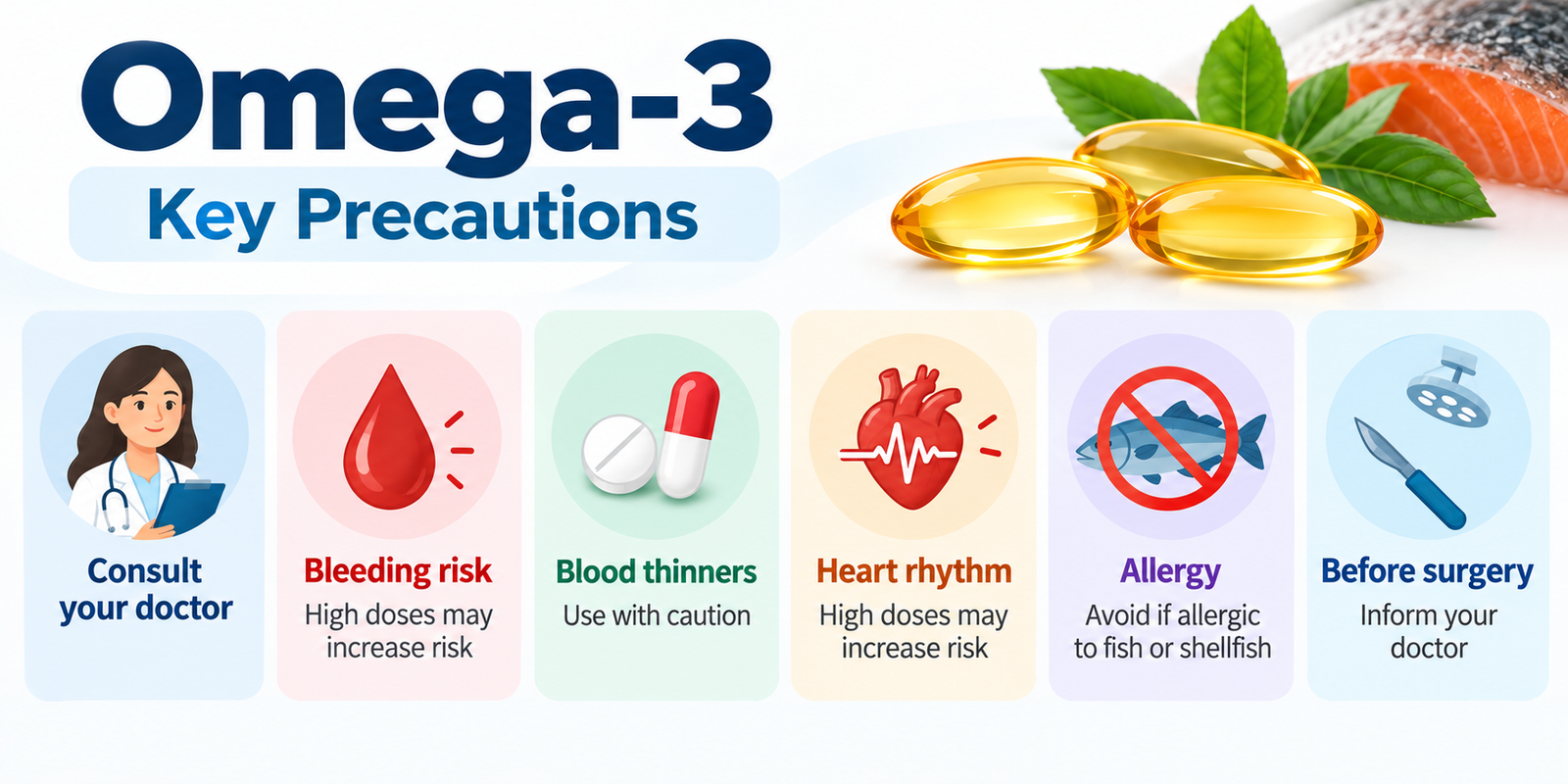
- Omega-3s are generally safe, but a few precautions are important. Key Precautions to Consider:
- Medical Consultation: It’s always a good idea to chat with your doctor before you begin, especially if you have diabetes, heart conditions, liver issues, or if you’re pregnant or breastfeeding. Taking this step helps ensure everything is safe and suited to you.
- Bleeding Risk: Taking more than 3 g per day can thin your blood, which might make you more prone to nosebleeds or easy bruising. It’s best to be cautious and consult a healthcare professional if unsure.
- Blood Thinners: Please be very careful if you are taking blood thinners such as warfarin or aspirin, because omega-3s can increase their effects.
- Heart Conditions: High doses (around 4 g per day or more) may increase the risk of irregular heartbeat, especially in older adults with heart conditions.
- Allergies: Avoid if allergic to fish or shellfish.
- Diabetes: Monitor blood sugar, as omega-3s might influence glucose levels.
- Surgery: Inform your doctor or dentist about supplement use before any procedure.
Key Takeaways
- Omega-3 fatty acids play an important role in heart, brain, and overall health.
- But they are not a magic pill — and they’re not necessary for everyone.
- If you regularly eat fatty fish 2–3 times per week, you may already be meeting your omega-3 needs through food.
- Supplementation may help those with low fish intake, high triglycerides, or special needs—under medical guidance.
- Current recommendations suggest moderate daily intakes for general health, while higher doses should only be used when medically indicated.
- Use supplements thoughtfully — not routinely — and choose quality products with appropriate EPA and DHA content.
- The key is personalization. Your diet, health status, life stage, and risk factors matter more than trends.
Further Reading
- National Institutes of Health, Office of Dietary Supplements. (n.d.). Omega-3 fatty acids: Health professional fact sheet. U.S. Department of Health & Human Services. https://ods.od.nih.gov/factsheets/Omega3FattyAcids-HealthProfessional/
- Rajaram, S. (2014). Health benefits of plant-derived α-linolenic acid. The American Journal of Clinical Nutrition, 100(Suppl. 1), 443S–448S. https://doi.org/10.3945/ajcn.113.071514
- American Heart Association. (2024, August 23). Saturated fats. https://www.heart.org/en/healthy-living/healthy-eating/eat-smart/fats/saturated-fats
- National Center for Complementary and Integrative Health. (n.d.). Omega-3 supplements: What you need to know. U.S. Department of Health and Human Services. https://www.nccih.nih.gov/health/omega3-supplements-what-you-need-to-know
- Chen, K.-Y., Chan, H.-C., & Chan, C.-M. (2025). Can omega-3 fatty acids serve as a preventive strategy for age-related macular degeneration? A systematic review and meta-analysis. Nutrition and Disease, Volume, Article 101289. https://doi.org/10.1016/j.tjnut.2025.101289
- Attri, N., Arora, D., Saini, R., Chandel, M., Suthar, P., & Dhiman, A. (2024). Health promoting benefits of krill oil: Mechanisms, bioactive combinations, and advanced encapsulation technologies. Food Science and Biotechnology, 34(6), 1285–1308. https://doi.org/10.1007/s10068-024-01737-3
- Bailey, E., Wojcik, J., Rahn, M., Roos, F., Spooren, A., & Koshibu, K. (2025). Comparative bioavailability of DHA and EPA from microalgal and fish oil in adults. International Journal of Molecular Sciences, 26(19), 9343. https://doi.org/10.3390/ijms26199343
- Ulven, S. M., & Holven, K. B. (2015). Comparison of bioavailability of krill oil versus fish oil and health effects of krill oil supplementation: A review. Nutrition & Metabolism, 12, Article 10. https://www.ncbi.nlm.nih.gov/pmc/articles/PMC4559234/
- Ryan, L. (2015). Algal-oil supplements are a viable alternative to fish-oil supplements in terms of docosahexaenoic acid (DHA). Journal of Functional Foods, 17(Part B), 992–1001. https://doi.org/10.1016/j.jff.2015.06.019
- Handeland, K., Wakeman, M., & Burri, L. (2024). Krill oil supplementation improves transepidermal water loss, hydration and elasticity of the skin in healthy adults: Results from two randomized, double-blind, placebo-controlled, dose-finding pilot studies. Journal of Cosmetic Dermatology, 23(12), 4285–4294. https://doi.org/10.1111/jocd.16513
- Krupa, K. N., Fritz, K., & Parmar, M. (2024). Omega-3 fatty acids. In StatPearls [Internet]. StatPearls Publishing. https://www.ncbi.nlm.nih.gov/books/NBK564314
- Park, J., Yoo, Y.-S., Shin, E., Han, G., Shin, K., Lim, D. H., & Chung, T.-Y. (2021). Effects of the re-esterified triglyceride (rTG) form of omega-3 supplements on dry eye following cataract surgery. British Journal of Ophthalmology, 105(11), 1504–1509. https://doi.org/10.1136/bjophthalmol-2020-317164
- Cetin, I., Carlson, S. E., Burden, C., da Fonseca, E. B., di Renzo, G. C., Hadjipanayis, A., Harris, W. S., Kumar, K. R., Olsen, S. F., … & Vannice, G. (2024). Omega-3 fatty acid supply in pregnancy for risk reduction of preterm and early preterm birth: Clinical practice guideline. American Journal of Obstetrics & Gynecology MFM, 6(2), 101251. https://doi.org/10.1016/j.ajogmf.2023.101251
Disclaimer: The information provided on Medical Pharma Lifestyle Pulse is for educational and informational purposes only and is not intended as medical advice, diagnosis, or treatment. Always consult a qualified healthcare professional before making any decisions about your health, medications, or treatment. Never ignore or delay seeking professional medical advice based on information you have read on this website. While we strive to provide accurate and up-to-date information, we do not guarantee the completeness or accuracy of the content. For more information, please read our full Medical Disclaimer.