
Heart disease is one of the leading causes of death worldwide. Knowing your risk early can help you prevent it. Common risk factors include high blood pressure, high cholesterol, diabetes, smoking, and age. But sometimes, people can develop heart disease even when these risk factors are not present.
One often-overlooked risk factor is Lipoprotein(a), or Lp(a). Despite its importance, Lp(a) remains underrecognized and is not routinely measured in everyone. In this blog, we’ll cover Lp(a), why it matters, who should get tested, and how it may affect your heart health.
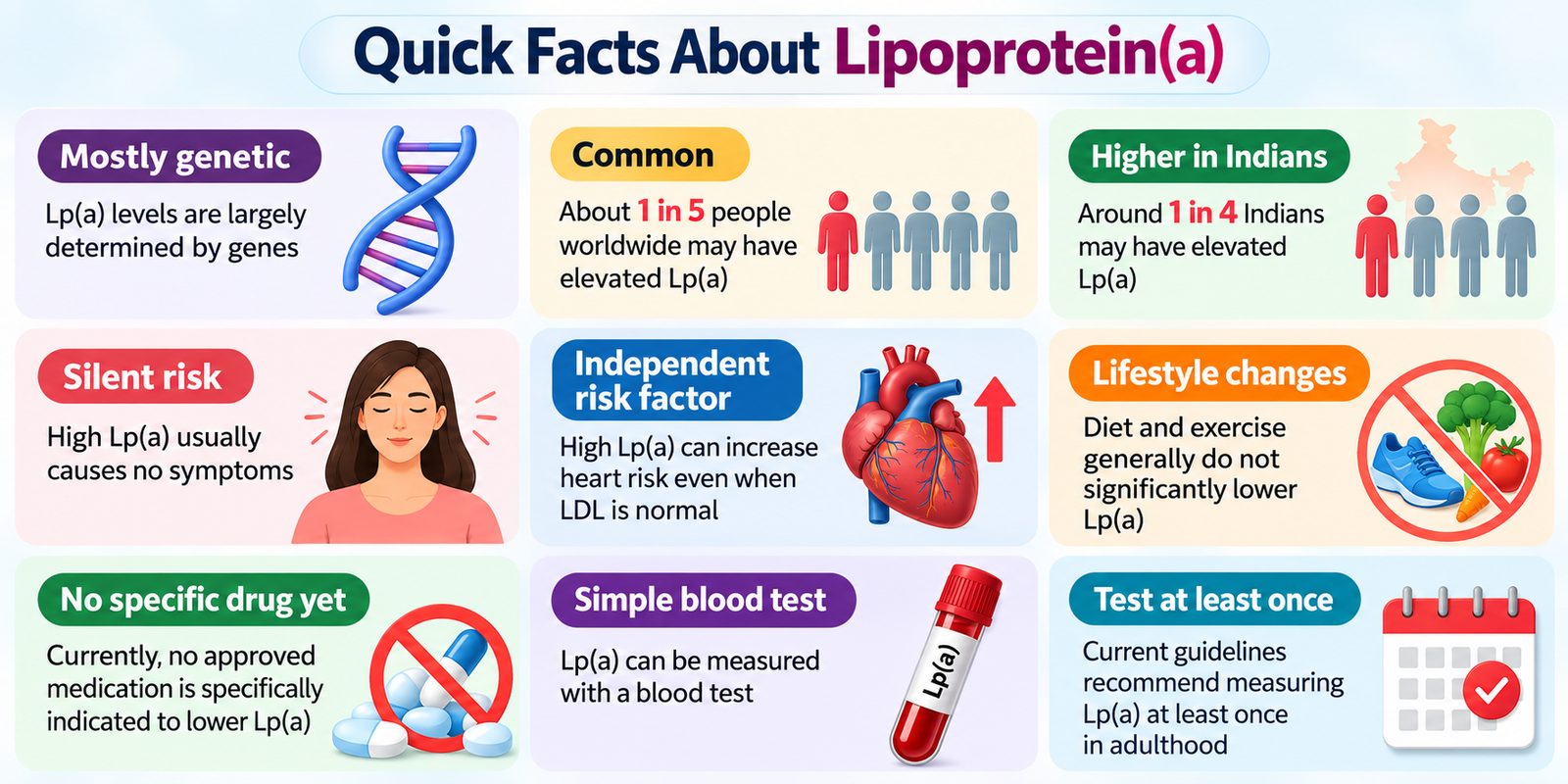
What Is Lipoprotein(a) [Lp(a)]?
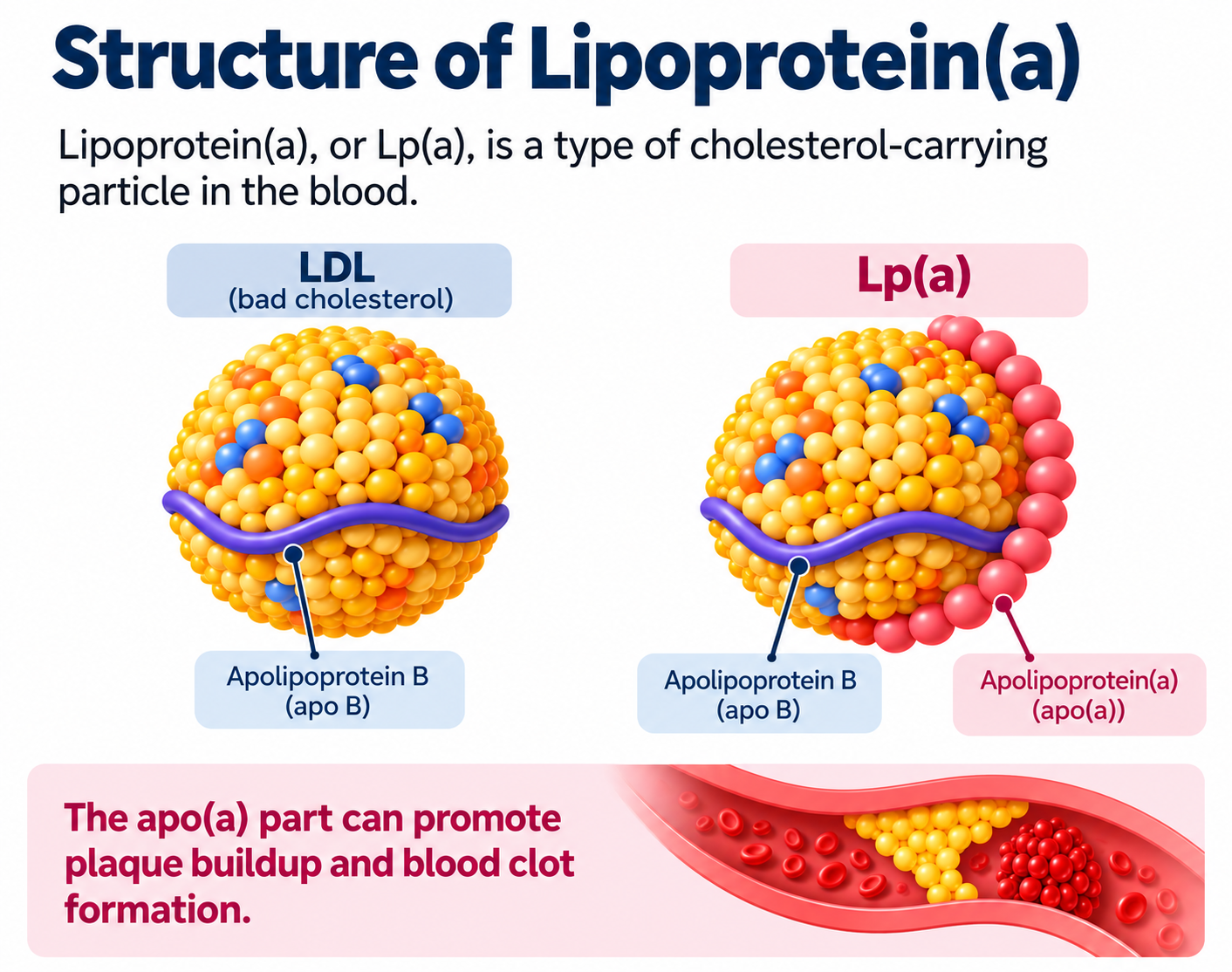
- Lipoprotein(a), or Lp(a), is a type of cholesterol-carrying particle in the blood.
- Structurally, Lp(a) is similar to LDL (“bad cholesterol”), but it has an additional protein called apolipoprotein(a) attached to it.
- The apo(a) part of Lp(a) can promote plaque buildup and blood clot formation.
Why Is Lp (a) Important?
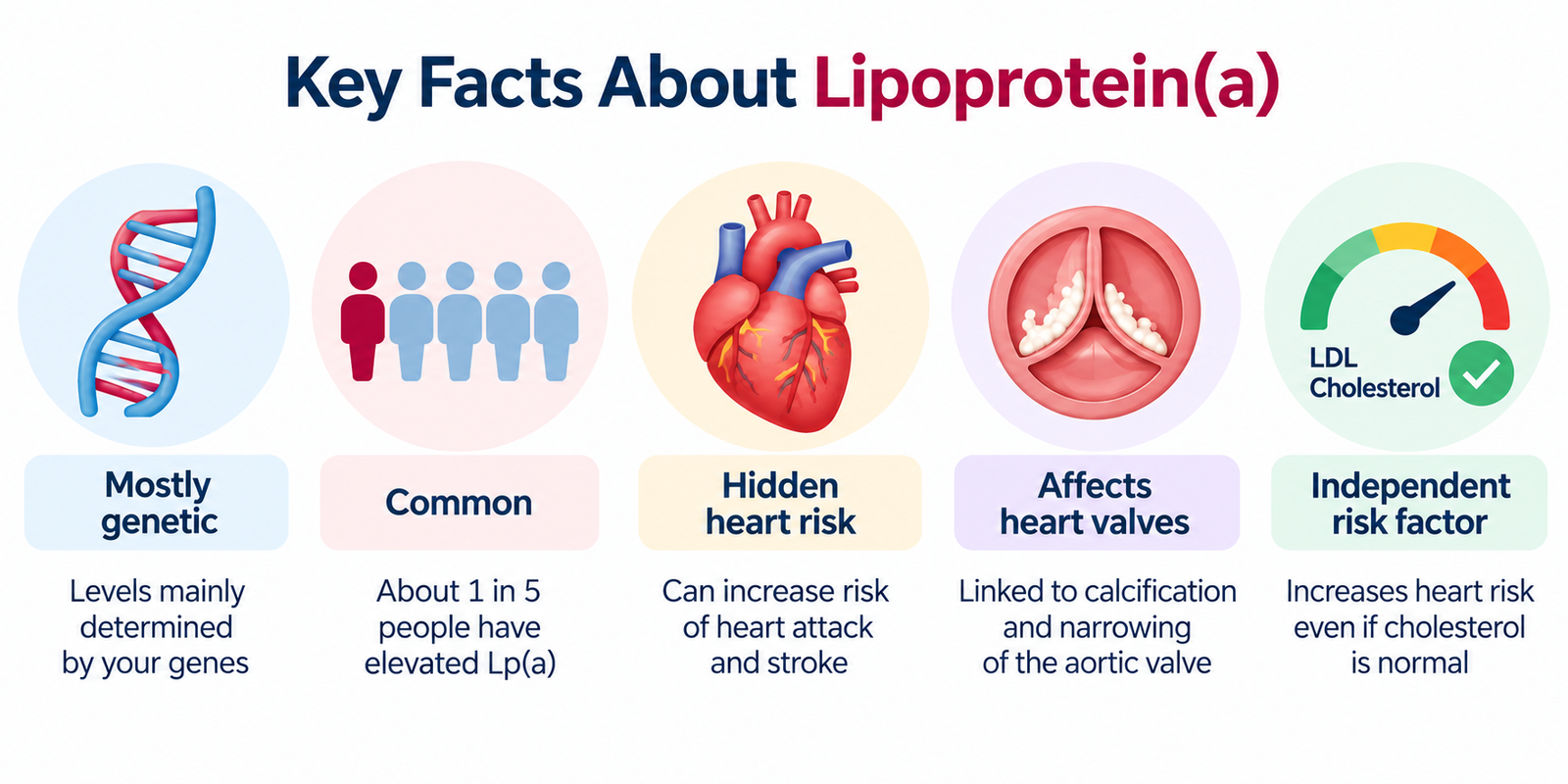
- Mostly genetic: Lp(a) levels are mainly determined by your genes and usually remain stable throughout life.
- Common: About 1 in 5 people worldwide have elevated Lp(a).
- Hidden heart risk: High Lp(a) can increase the risk of heart attack, Stroke, and other heart diseases.
- Affects heart valves: High Lp(a) is also linked to calcification and narrowing of the aortic valve.
- Independent risk factor: It can increase heart risk even when cholesterol levels are normal.
Why Should Indians Know Their Lp(a) Levels?
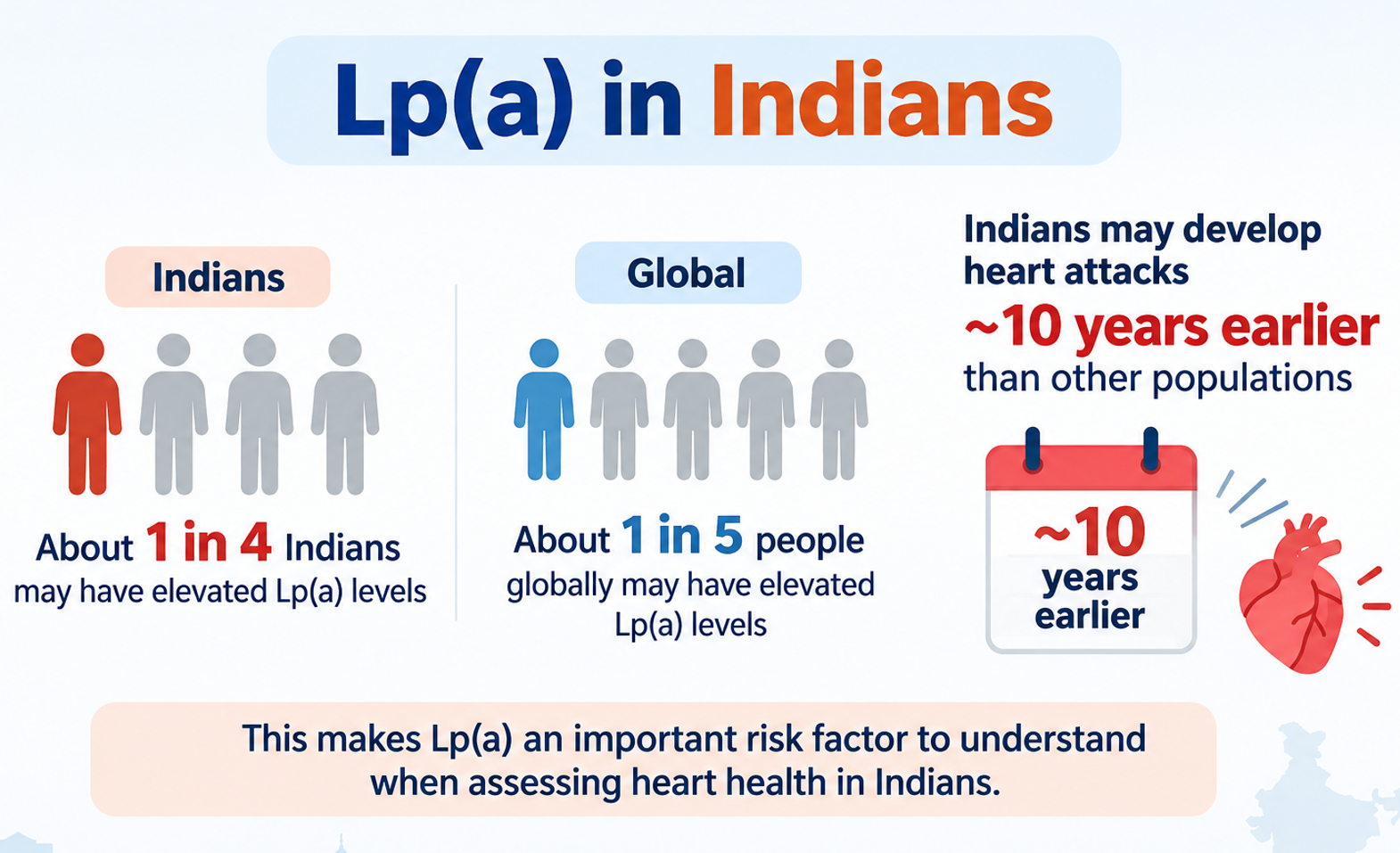
Approximately 1 in 4 (25%) of Indians have elevated Lp(a) levels, compared with roughly 1 in 5 people globally. Indians also tend to develop heart attacks about 10 years earlier than other populations, with rates among young Indians reported to be three to five times higher. This makes Lp(a) an especially important risk factor to understand when assessing heart health in Indians.
Learn why Indians are at a higher risk of heart disease
Who Should Consider Testing Lp(a)?
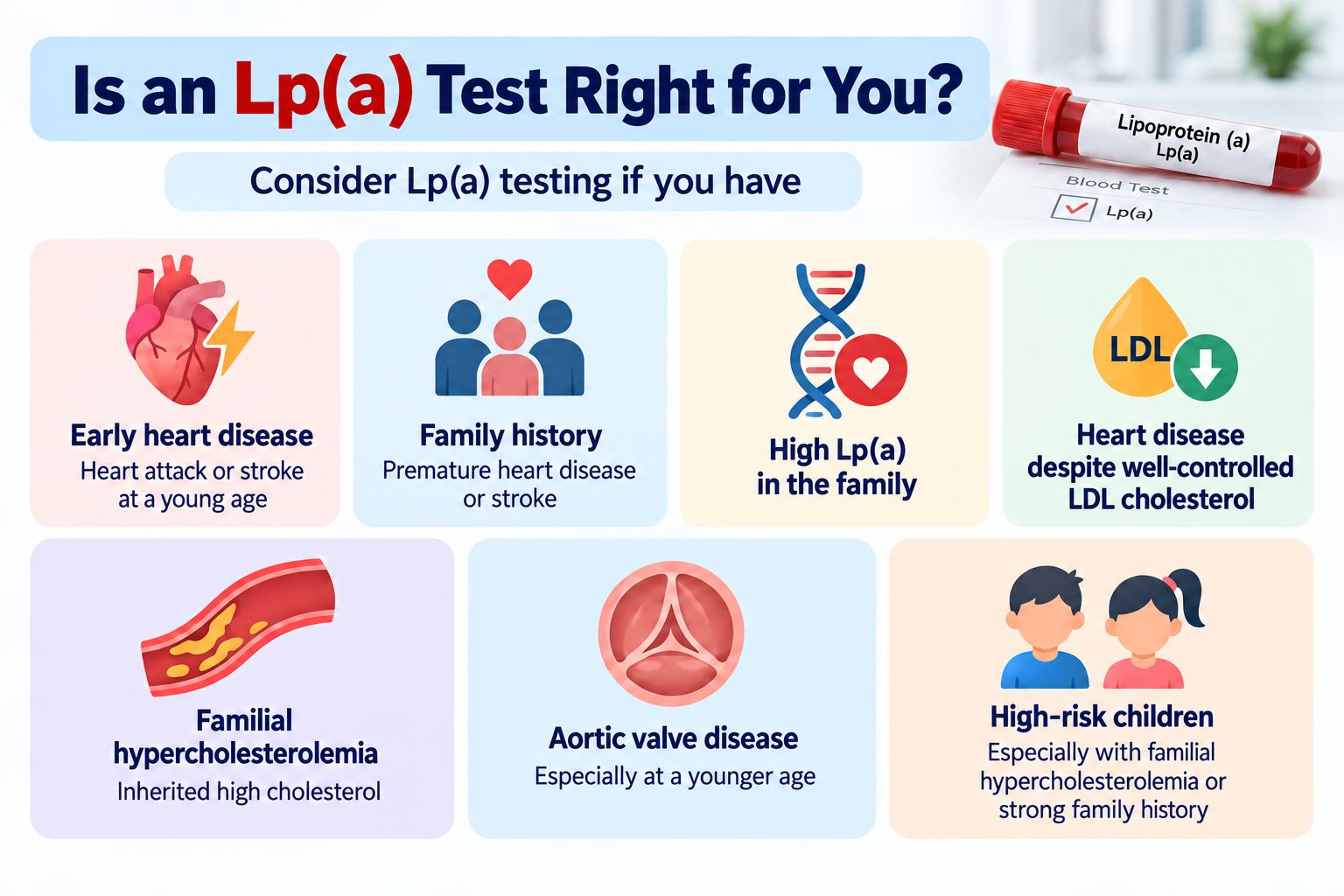
Lp(a) testing may be considered for
- Early heart disease – Heart attack or stroke at a young age
- Family history – Premature heart disease or stroke in close relatives
- High Lp(a) in the family – Especially in parents, siblings, or children
- Heart disease despite controlled LDL – To look for an additional inherited risk
- Familial hypercholesterolemia – Inherited high cholesterol
- Aortic valve disease – Particularly when it occurs at a younger age
- High-risk children – Especially with Familial hypercholesterolemia or a strong family history of early heart disease
Why should everyone test Lp(a) at least once?
You may not know your Lp(a) is high because it usually causes no symptoms. And even with a normal LDL level, Lp(a) can still be elevated. Thus, current Guidelines recommend that all adults have their Lp(a) level measured at least once in their lifetime.
Lp(a) levels are largely determined by genetics. They reach near-adult levels by around 5 years of age and generally remain stable throughout life. Dietary and environmental factors have relatively little influence on Lp(a). Therefore, measuring Lp(a) at least once in a lifetime can help identify individuals with genetically elevated levels and associated risk.
How Is Lp(a) Tested?
- Lp(a) is measured through a simple blood test.
- However, it is not usually included in a standard lipid profile, so your doctor may need to specifically request an Lp(a) test.
Understand Your Lipid Profile — Click Here
What Do Your Lp(a) Levels Mean?
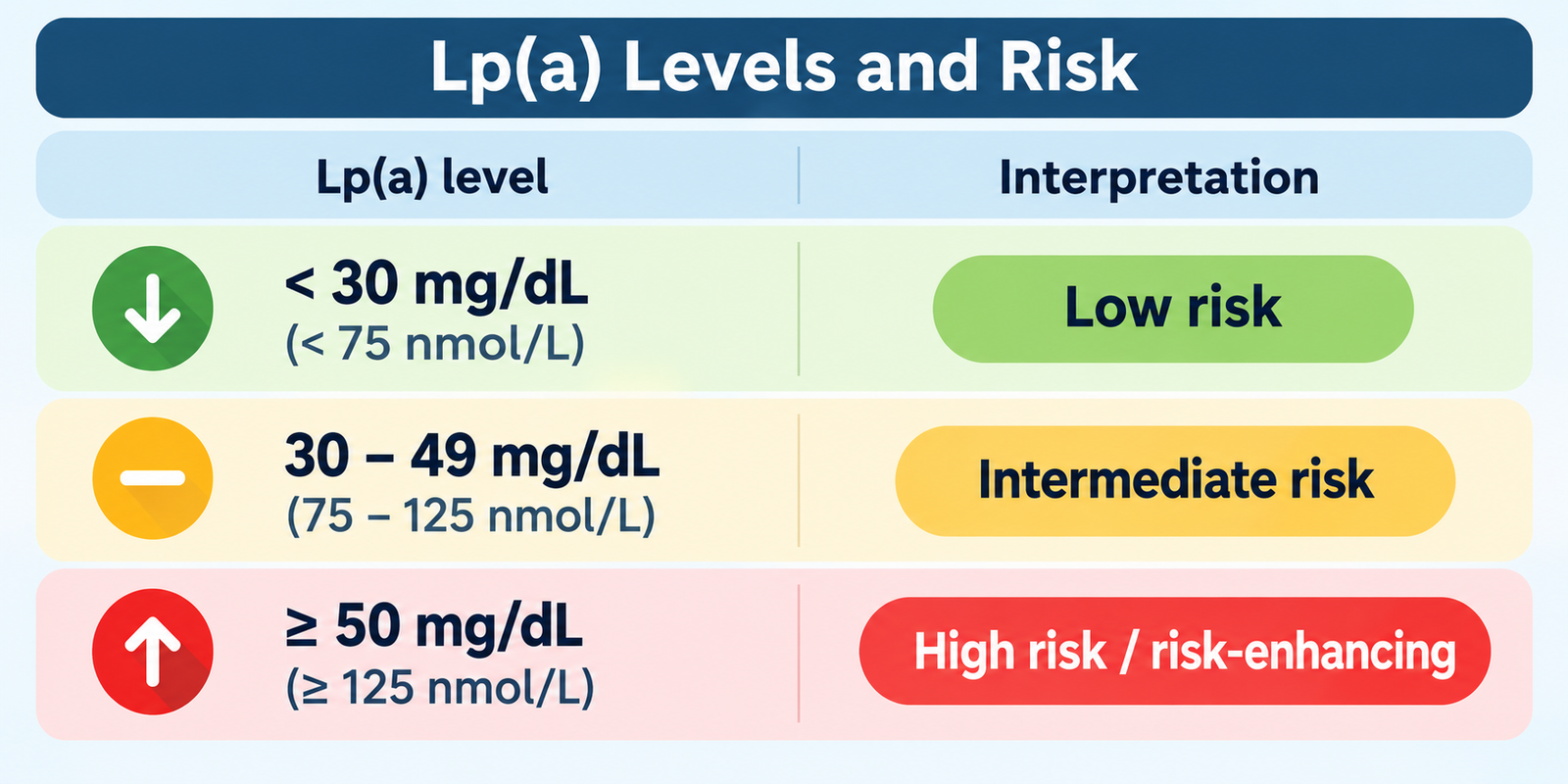
As per some guidelines, Lp(a) thresholds are :
- Lp(a) <30 mg/dL (<75 nmol/L): Generally considered normal
- Lp(a) 30–49 mg/dL (75–125 nmol/L): Intermediate risk for heart disease and stroke
- Lp(a) ≥50 mg/dL (≥125 nmol/l): High Risk of heart disease and stroke
Can Lp(a) Levels Fluctuate?
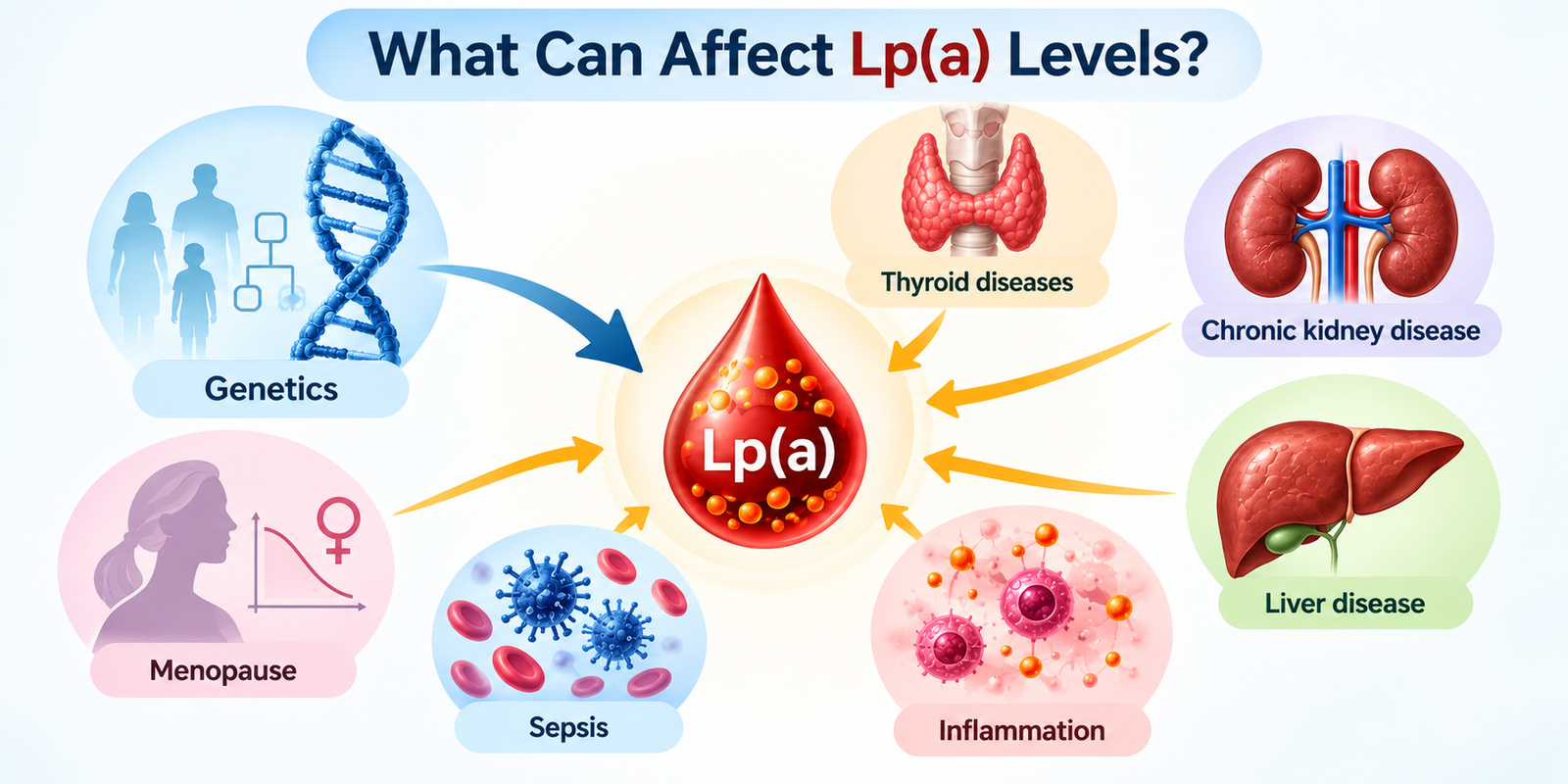
Lp(a) levels are largely genetic, but certain health conditions, like thyroid diseases, chronic kidney disease, liver disease, inflammation, sepsis, and major hormonal shifts (eg, menopause) can change a person’s Lp(a) level enough to warrant repeat testing.
Is there treatment for high Lp(a)?
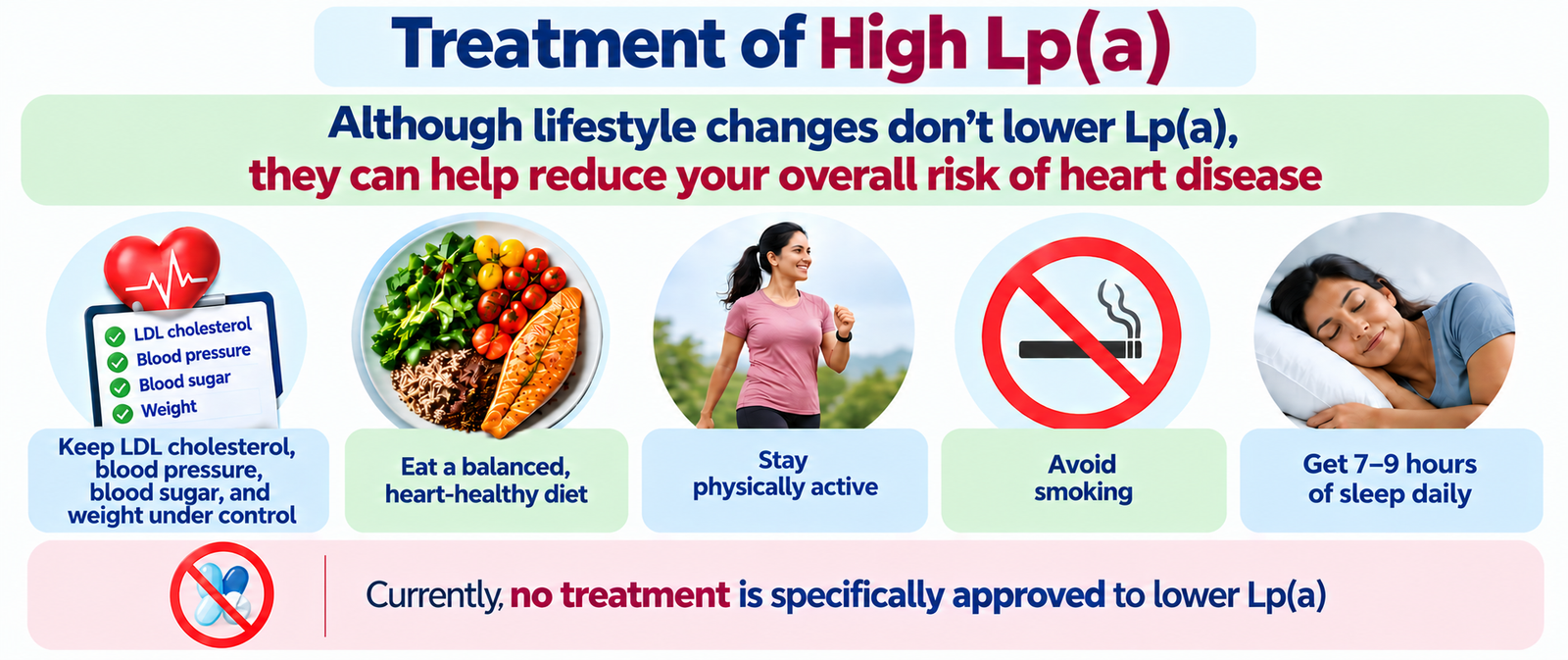
There is currently no approved medication specifically indicated to lower Lp(a). Lifestyle changes generally do not reduce Lp(a) levels, as they are largely determined by genetics. However, overall heart risk can still be reduced by:
- Managing other risk factors: Keep LDL , blood pressure, blood sugar, and weight under control.
- Following a heart-healthy lifestyle: Eat a balanced diet, stay physically active, avoid smoking, and get 7-9 hours of sleep daily.
- Using cholesterol-lowering medicines when appropriate: In selected high-risk individuals, medicines such as PCSK9 inhibitors may be considered to help lower LDL and reduce heart risk.
What Is the Role of Lipoprotein Apheresis in High Lp(a)?
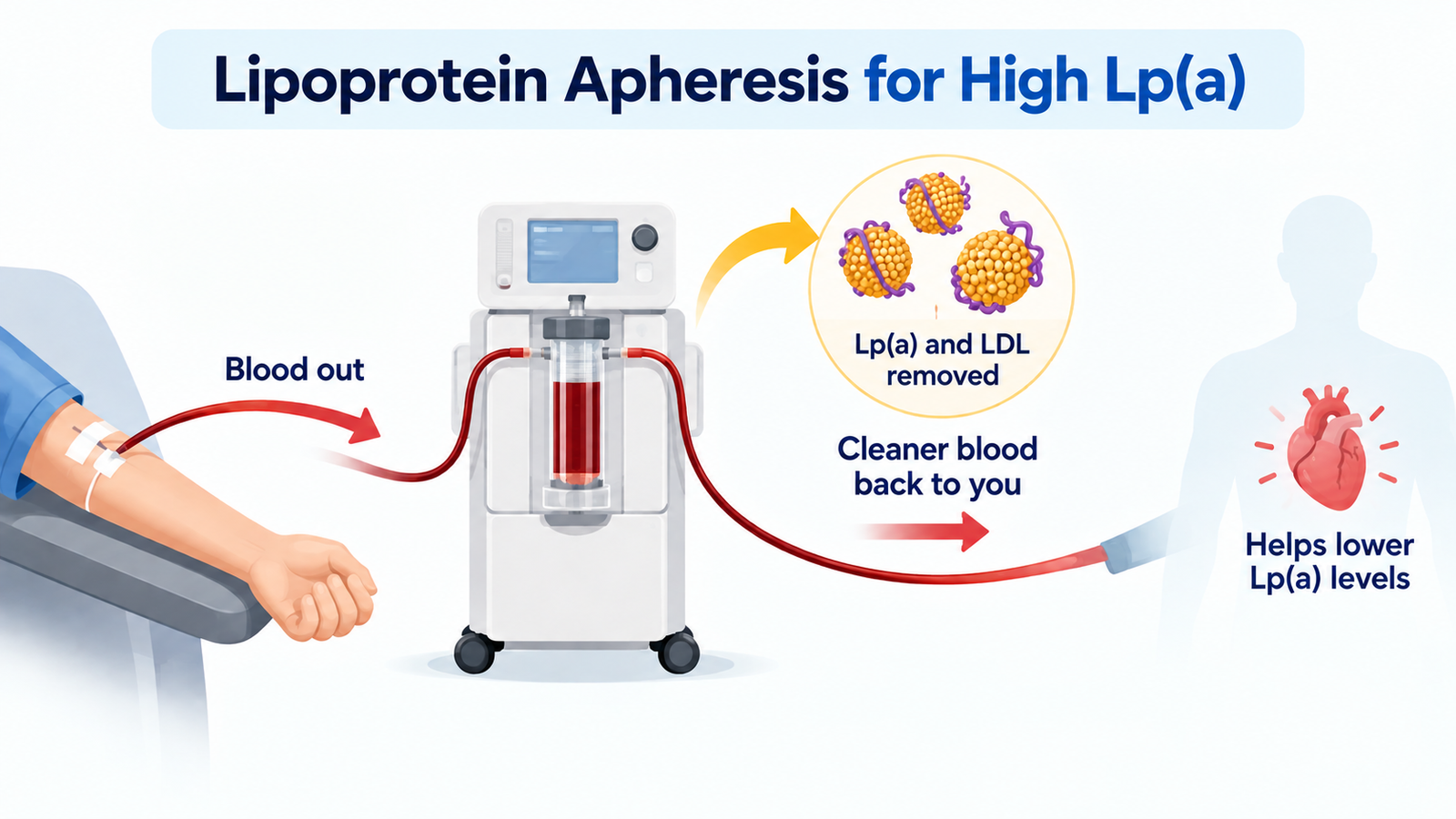
- Lipoprotein apheresis is a procedure that filters Lp(a) and LDL from the blood.
- Used in selected high-risk people with very high Lp(a) and heart or artery disease.
- Usually done weekly or every 2 weeks.
- Can lower Lp(a) by about 25–40% between treatments.
- It is invasive, time-consuming, and expensive.
Further Reading
- Greco, A., Finocchiaro, S., Spagnolo, M., Faro, D. C., Mauro, M. S., Raffo, C., Sangiorgio, G., Imbesi, A., Laudani, C., Mazzone, P. M., Ammirabile, N., Giacoppo, D., Landolina, D., & Capodanno, D. (2025). Lipoprotein(a) as a Pharmacological Target: Premises, Promises, and Prospects. Circulation, 151(6), 400–415. https://doi.org/10.1161/CIRCULATIONAHA.124.069210.
- Enas, E. A., Varkey, B., Dharmarajan, T. S., Pare, G., & Bahl, V. K. (2019). Lipoprotein(a): An underrecognized genetic risk factor for malignant coronary artery disease in young Indians. Indian heart journal, 71(3), 184–198. https://doi.org/10.1016/j.ihj.2019.04.007
- https://www.heart.org/en/health-topics/cholesterol/genetic-conditions/lipoprotein-a-risks
- Ghose T. (2024). Lipoprotein a – Lp(a). Indian heart journal, 76 Suppl 1(Suppl 1), S117–S120. https://doi.org/10.1016/j.ihj.2023.12.010
- Cegla, J., France, M., Marcovina, S. M., & Neely, R. D. G. (2021). Lp(a): When and how to measure it. Annals of clinical biochemistry, 58(1), 16–21. https://doi.org/10.1177/0004563220968473.
- Wiggins, B. S., Barac, A., Benziger, C. P., Blumenthal, R. S., Cibotti-Sun, M., Moore, M. M., & Morris, P. B. (2026). 2026 Dyslipidemia Guideline-at-a-Glance. Journal of the American College of Cardiology, 87(19), 2617–2623. https://doi.org/10.1016/j.jacc.2026.02.4872
- Ellberg, C. C., & Bhatia, H. S. (2024). Strategies for management of patients with elevated lipoprotein(a). Current opinion in lipidology, 35(5), 234–240. https://doi.org/10.1097/MOL.0000000000000950
Disclaimer: The information provided on Medical Pharma Lifestyle Pulse is for educational and informational purposes only and is not intended as medical advice, diagnosis, or treatment. Always consult a qualified healthcare professional before making any decisions about your health, medications, or treatment. Never ignore or delay seeking professional medical advice based on information you have read on this website. While we strive to provide accurate and up-to-date information, we do not guarantee the completeness or accuracy of the content. For more information, please read our full Medical Disclaimer.