
Table of Contents
Heart Disease Rising Among Indians

Heart disease is the leading cause of death and disability in India. Nearly 1.5 million Indians die every year from coronary heart disease alone. Even more concerning, Indians develop heart disease 10–12 years earlier than people in many developed countries. According to the Indian Heart Association, half of all heart attacks in Indian men occur before the age of 50, and one in four happens before 40. Heart disease is striking Indians during their most productive years — affecting families, livelihoods, and the nation’s economic strength.
When it comes to heart health in India, awareness is not optional — it can save lives. Let’s now look at the key reasons why Indians are at a higher risk of heart disease.
Factors Contributing to the Rising Trends
Thin–Fat Indian Phenotype
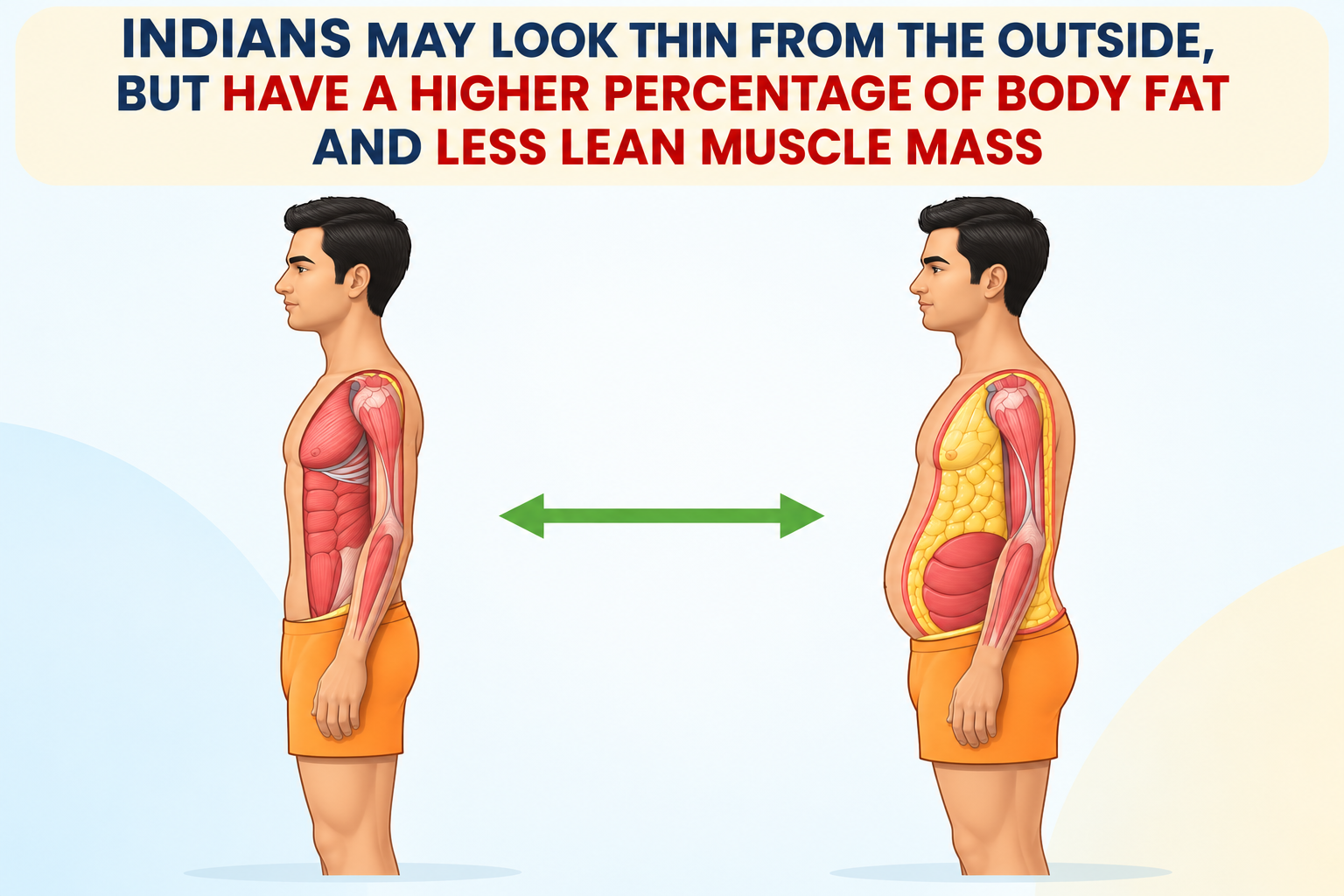
- Many Indians look slim. But internally? Higher body fat around vital organs. Lower muscle mass. This is known as the Asian Indian phenotype or thin outside—fat inside (TOFI).
- Characteristics include:
- Higher abdominal fat
- Lower HDL (“good”) cholesterol
- Higher triglycerides
- Increased insulin resistance
So even with a “normal” BMI, risk is already building quietly.
High Burden of Diabetes
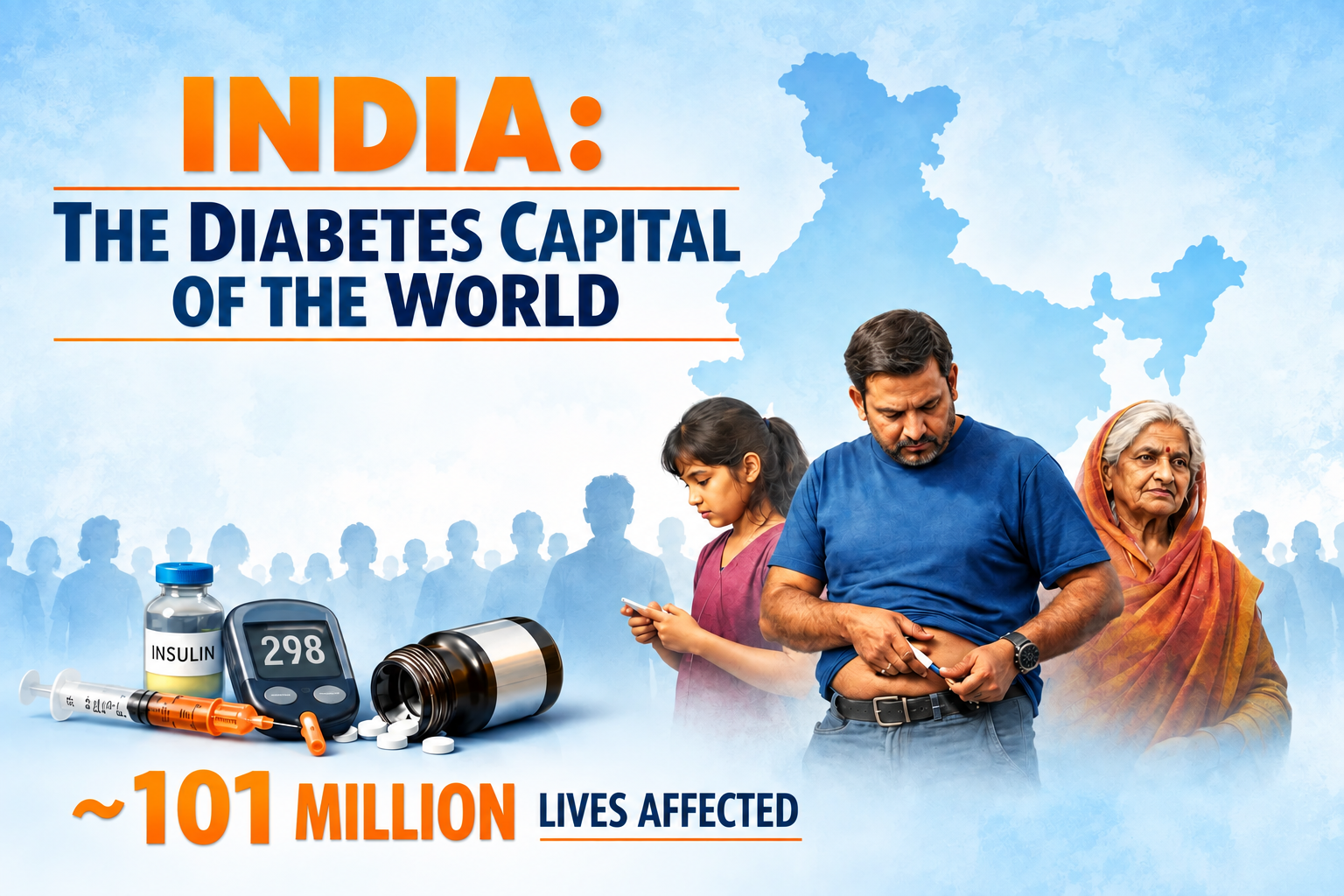
- India is often called the diabetes capital of the world.
- Over 101 million adults in India had diabetes in 2024, ranking second only to China.
- By 2045, that number is expected to rise to 134 million.
Indians develop diabetes 5–10 years earlier and at lower BMI levels. And here’s the hard truth: Many Indians who experience their first heart attack are also diabetic.
Rising Hypertension (The Silent Killer)
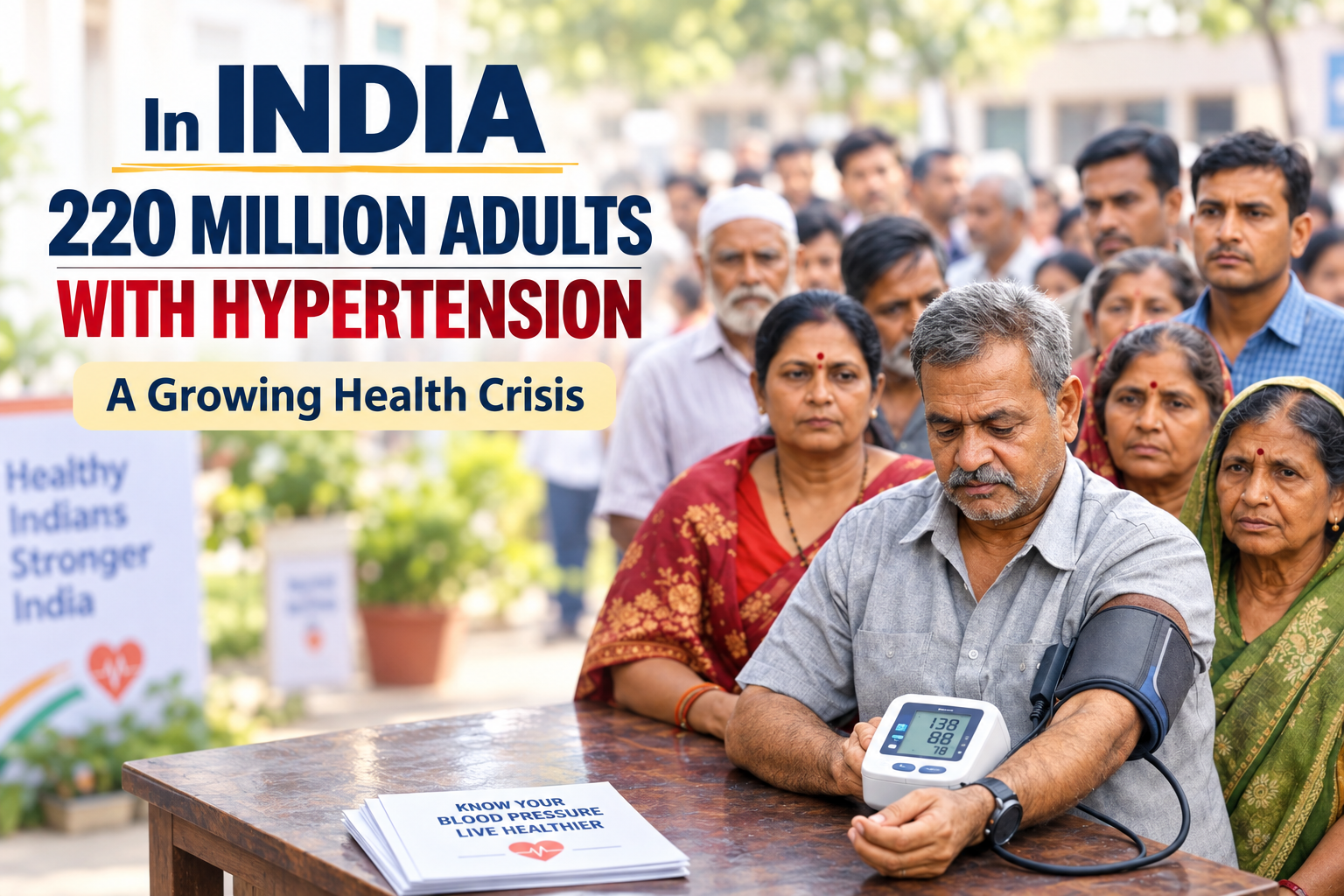
- Around 220 million Indian adults live with hypertension (high blood pressure).
- More than 90% are undiagnosed, Untreated, or uncontrolled
- Hypertension causes no early symptoms. The first sign may be:
- Heart attack
- Stroke
- Kidney failure
- That’s why it’s called the “silent killer.”
The Growing Obesity Crisis
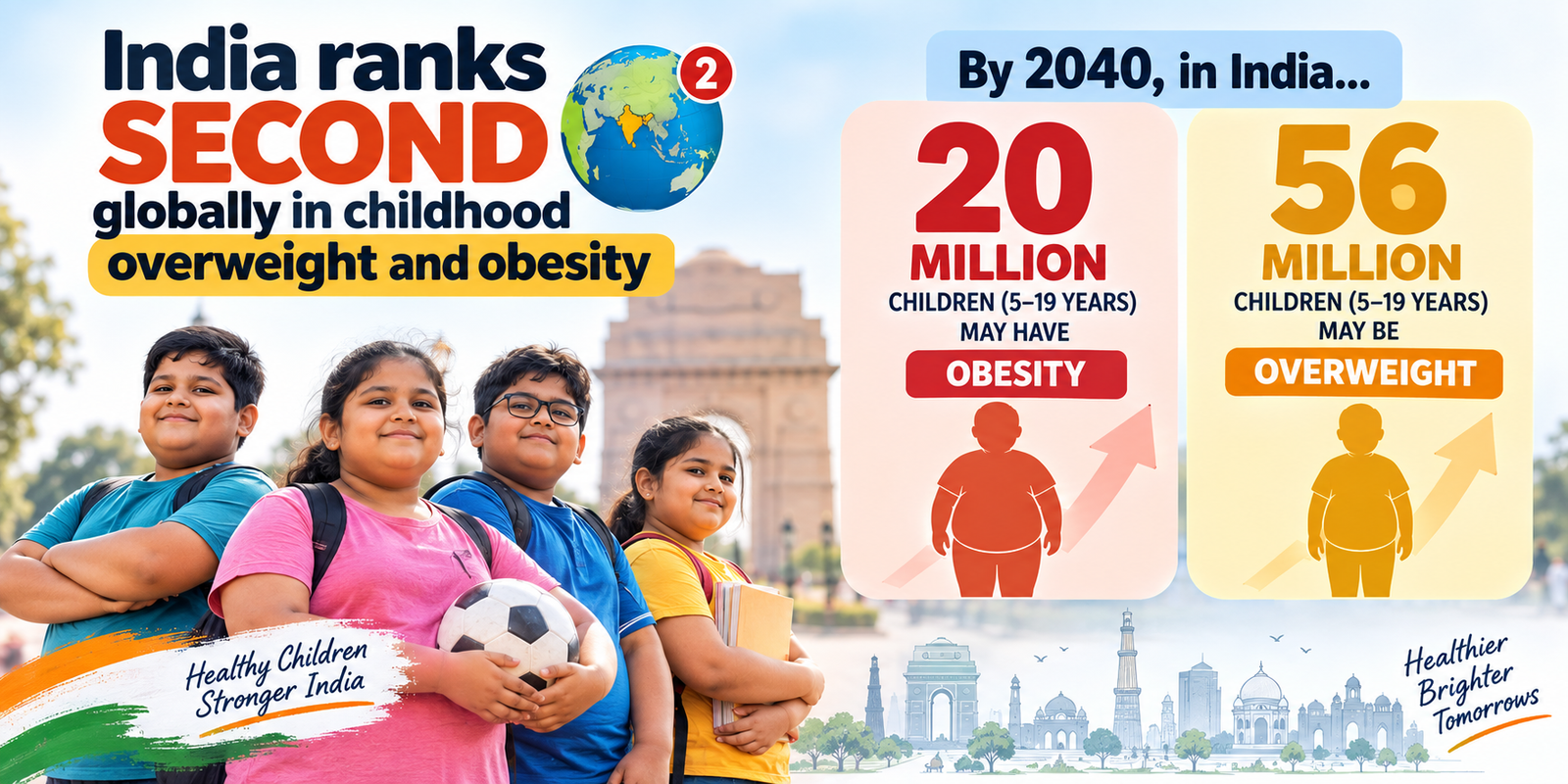
- India ranks second globally in childhood overweight and obesity. By 2040, around 20 million children aged 5–19 years are expected to have obesity, while 56 million may be living with overweight.
- Abdominal obesity is especially dangerous because it:
- Raises blood pressure
- Worsens cholesterol
- Increases diabetes risk
Processed foods + screen time + less physical activity = rising heart risk.
Dyslipidemia Crisis
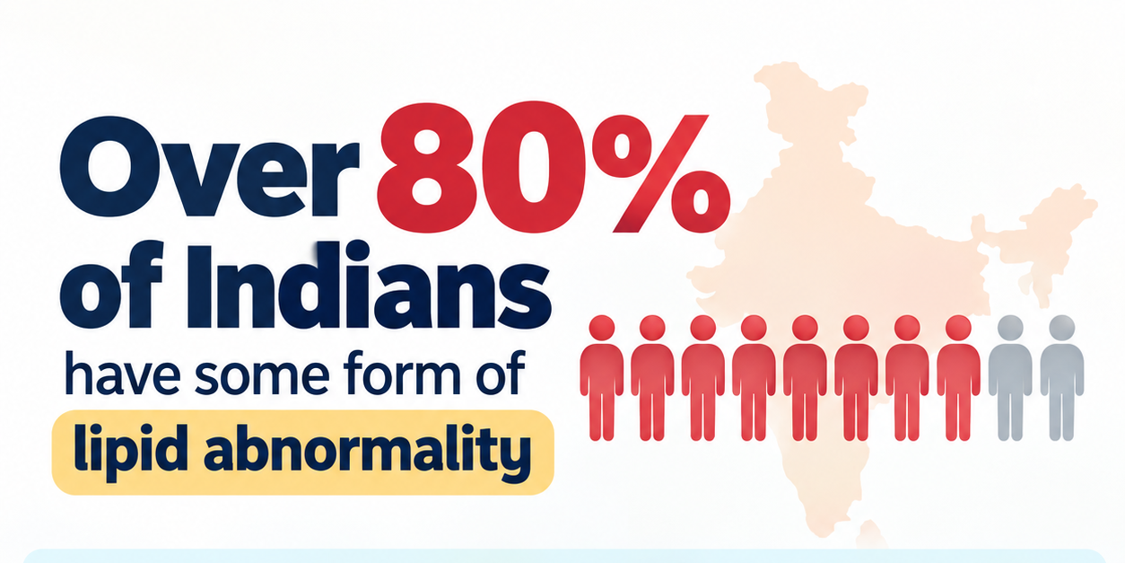
- Over 80% of urban and semi-urban Indians have some form of dyslipidemia or lipid abnormality. Common patterns:
- Low HDL (“good” cholesterol)
- High LDL (“bad” cholesterol)
- High triglycerides
- Worryingly, many develop abnormal lipids at a young age
- Both genetics and unhealthy lifestyle patterns are key contributors to this growing burden.
Poor Dietary Habits
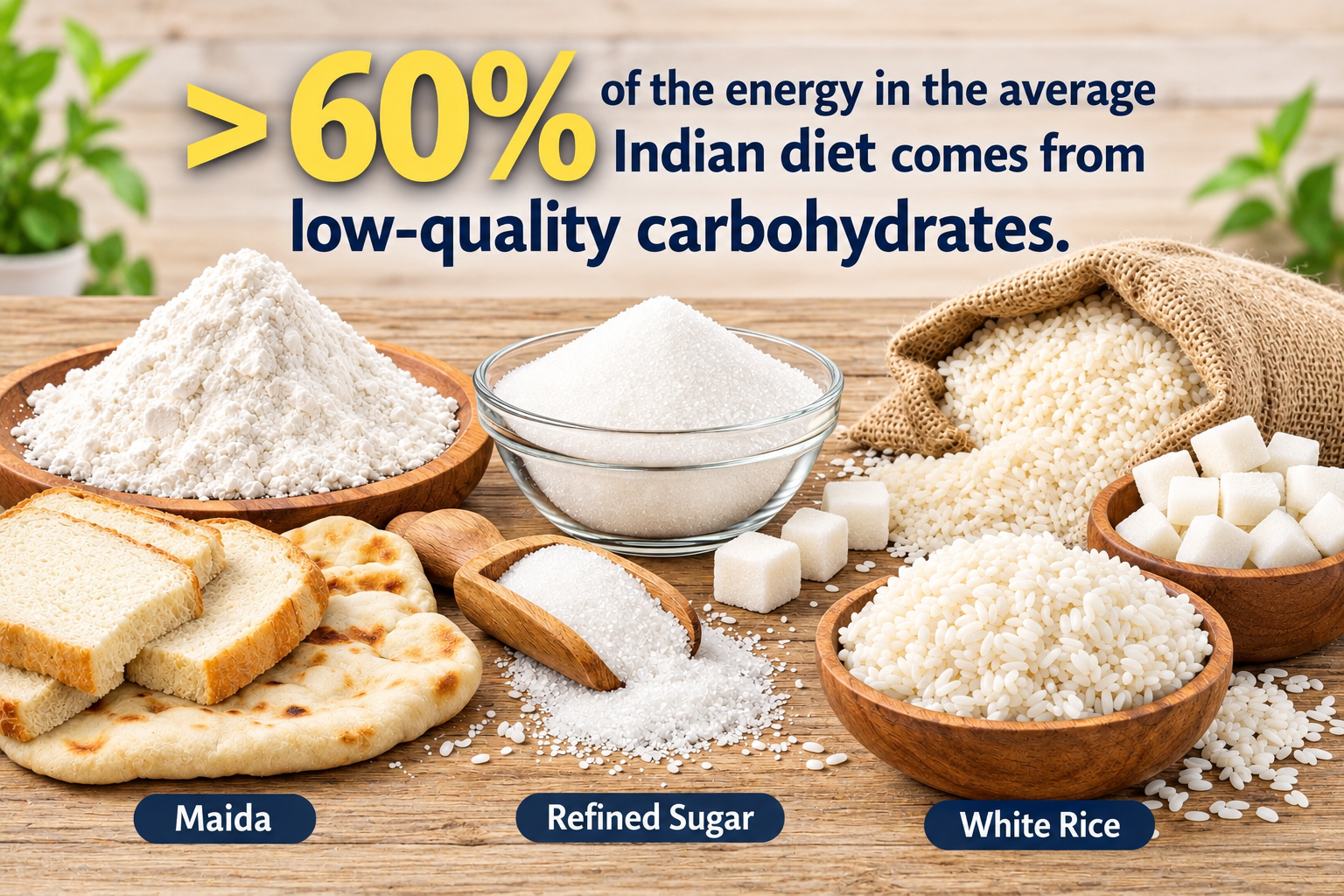
- Changing food patterns in India are significantly contributing to the rising burden of heart disease.
- National data show that 62.3% of total energy intake in Indian diets comes from low-quality carbohydrates such as white rice, milled grains, and added sugars.
- Diets are also characterized by high saturated fat consumption and inadequate protein intake.
Widespread Tobacco Use
- 267 million Indian adults use tobacco, making it a major public health concern.
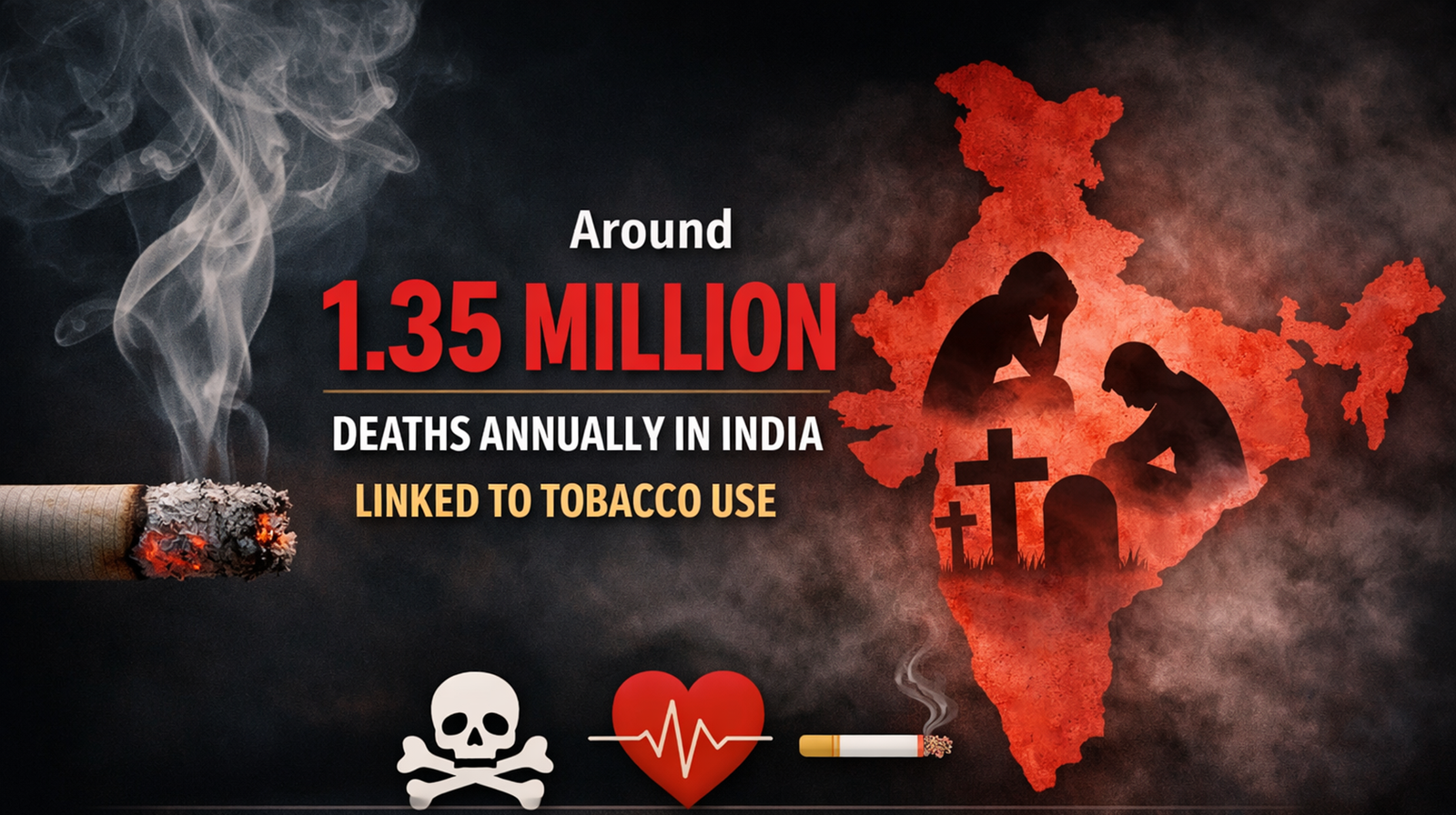
- 1.35 million deaths annually are linked to tobacco in India.
- Cigarette smoke, including nicotine and carbon monoxide, damages blood vessels and strains the heart.
- In addition to smoking, smokeless tobacco products such as khaini, gutkha, and zarda are widely used across the country, further increasing the risk.
The Good News: Most Risk Is Preventable
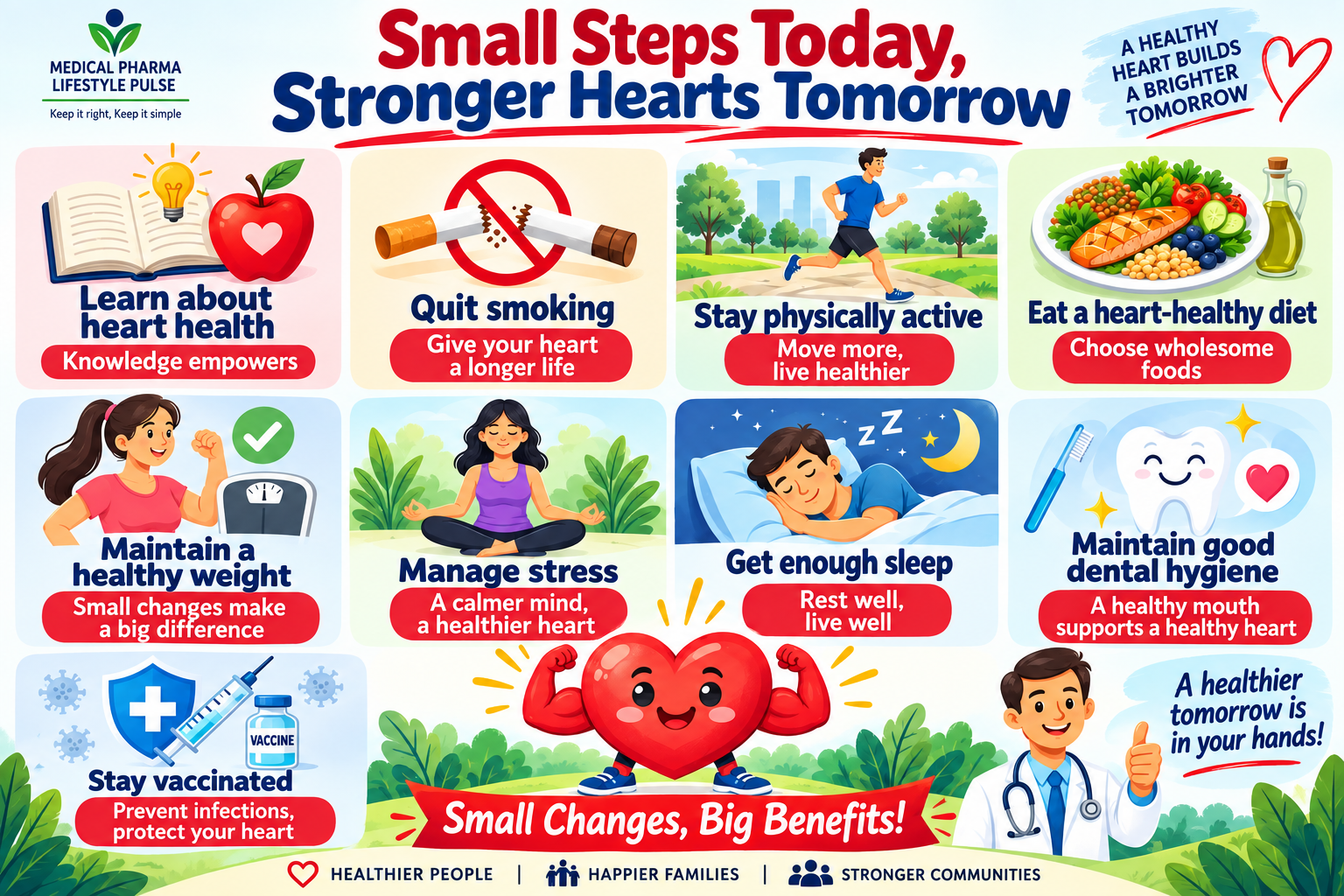
- Health education matters – Awareness is the first step toward preventing heart disease.
- Quit smoking – The risk of heart disease and stroke starts dropping almost immediately after quitting.
- Stay physically active – Aim for 150 minutes of moderate or 75 minutes of vigorous exercise per week.
- Eat a heart-healthy diet – Low in saturated and trans fats and sodium; rich in fruits, vegetables, whole grains, nuts, and fish.
- Maintain a healthy weight – Helps control blood pressure, cholesterol, triglycerides, and blood sugar.
- Get enough sleep – At least 7 hours per night supports heart health.
- Manage stress: practice yoga, meditation, mindfulness, relaxation techniques, and regular physical activity.
- Maintain good dental hygiene – Daily oral care can reduce infection-related heart risks.
- Stay vaccinated – Protect against infections and other illnesses that may impact heart health.
- Go for regular health screenings – Monitor blood pressure, cholesterol, blood sugar, heart disease, and diabetes risk.
- Seek timely treatment – Early care for infections or illnesses can prevent heart complications.
Final Takeaway
Heart disease in Indians is not just a medical issue — it’s a lifestyle issue.
We may look young.
We may look slim.
We may feel fine.
But risk builds silently.
The earlier you start caring for your heart, the stronger your future will be.
Your heart health today decides your quality of life tomorrow.
Further Reading
- Jeemon, P., Harikrishnan, S., Ganapathi, S., Sivasankaran, S., Binukumar, B., Padmanabhan, S., Tandon, N., & Prabhakaran, D. (2021). Efficacy of a family-based cardiovascular risk reduction intervention in individuals with a family history of premature coronary heart disease in India (PROLIFIC): An open-label, single-centre, cluster randomised controlled trial. The Lancet Global Health, 9(10), e1442–e1450. https://doi.org/10.1016/S2214-109X(21)00319-3
- Paul, P., Kamal, R., & Awasthi, A. (2025). Young hearts under attack: The alarming increase in heart problems among Indian youth. Current Cardiology Reviews, 21(1), Article E1573403X333367240925094017. https://doi.org/10.2174/011573403X333367240925094017
- Kalra, A., Jose, A. P., Prabhakaran, P., Kumar, A., Agrawal, A., Roy, A., Bhargava, B., & Tandon, N. (2023). The burgeoning cardiovascular disease epidemic in Indians: Perspectives on contextual factors and potential solutions. The Lancet Regional Health – Southeast Asia. https://doi.org/10.1016/j.lansea.2023.100156
- Kalra, S., Mithal, A., Zargar, A. H., Sethi, B., Dharmalingam, M., & Ghosh, S., et al. (2022). Indian phenotype characteristics among patients with type 2 diabetes mellitus: Insights from a non-interventional nationwide registry in India. touchREVIEWS in Endocrinology, 18(1), 63–70. https://doi.org/10.17925/EE.2022.18.1.63
- Siddiqui, M. K., Anjana, R. M., Dawed, A. Y., Martoeau, C., Srinivasan, S., Saravanan, J., … & Mohan, V. (2022). Young-onset diabetes in Asian Indians is associated with lower measured and genetically determined beta cell function. Diabetologia, 65(6), 973–983. https://doi.org/10.1007/s00125-022-05671-z (PMC9076730)
- Anjana, R. M., Sudha, V., Abirami, K., Gayathri, R., Manasa, V. S., Deepa, M., … Mohan, V. (2025). Dietary profiles and associated metabolic risk factors in India from the ICMR–INDIAB survey-21. Nature Medicine, 31, 3813–3824. https://doi.org/10.1038/s41591-025-03949-4
- Mohammad, R., & Bansod, D. W. (2024). Hypertension in India: A gender-based study of prevalence and associated risk factors. BMC Public Health, 24, Article 2681. https://doi.org/10.1186/s12889-024-20097-5
- Varghese, J. S., Venkateshmurthy, N. S., Sudharsanan, N., Jeemon, P., Patel, S. A., Thirumurthy, H., Roy, A., Tandon, N., Narayan, K. M. V., Prabhakaran, D., & Ali, M. K. (2023). Hypertension diagnosis, treatment, and control in India. JAMA Network Open, 6(10), e2339098. https://doi.org/10.1001/jamanetworkopen.2023.39098
- Sawhney, J. P. S., & Gupta, R. (2024). Indian dyslipidaemia guidelines: Need of the hour. Indian Heart Journal, 76(Supplement 1), S2–S5. https://doi.org/10.1016/j.ihj.2024.01.008
- Nongkynrih, B., Halder, P., Ghose, T., & Jamir, L. (2025). Epidemiology, prevention and management of lipid disorders in India. Preventive Medicine Research & Reviews, 3(1), 41–49. https://doi.org/10.4103/pmrr.pmrr_214_24
- Bhardwaj, B. (2016). Death by carbs: Added sugars and refined carbohydrates cause diabetes and cardiovascular disease in Asian Indians. International Journal of Diabetes & Metabolic Disorders. https://www.ncbi.nlm.nih.gov/pmc/articles/PMC6139832/
- Anjana, R. M., Sudha, V., Abirami, K., Gayathri, R., Manasa, V. S., Deepa, M., Pradeepa, R., Unnikrishnan, R., Joshi, S., Saboo, B., Gupta, A., Joshi, P. P., Adhikari, P., Jabbar, P. K., Jain, S. M., Chowdhury, S., Purty, A. J., Tripathy, S. K., Behera, S., … Mohan, V. (2025). Dietary profiles and associated metabolic risk factors in India from the ICMR–INDIAB survey-21. Nature Medicine, 31(11), 3813–3824. https://doi.org/10.1038/s41591-025-03949-4
- Ezhumalai, B., & Paranthaman, S. (2025). Tobacco smoking in India: A critical analysis of its devastating impact on cardiovascular health and the urgent need for comprehensive control measures. Journal of Current Cardiology. https://doi.org/10.4103/jcc.jcc_27_25
- Taqiuddin, R., Ali, M. J., Kimmatkar, A., Lohana, N., Anveshak, Siddiqui, M. M., Mohamed, Y. A. E. R., Ibrahim Mohamed, M. E., Minhaj, R., & Mateen, M. A. (2024). Smoking is a predominant risk factor for coronary artery disease among Indians. Bioinformation, 20(7), 719–722. https://doi.org/10.6026/973206300200719
Disclaimer: The information provided on Medical Pharma Lifestyle Pulse is for educational and informational purposes only and is not intended as medical advice, diagnosis, or treatment. Always consult a qualified healthcare professional before making any decisions about your health, medications, or treatment. Never ignore or delay seeking professional medical advice based on information you have read on this website. While we strive to provide accurate and up-to-date information, we do not guarantee the completeness or accuracy of the content. For more information, please read our full Medical Disclaimer.