
Table of Contents
Introduction
In the pursuit of improved health and nutritional balance, it is crucial to understand how different foods affect blood sugar levels. Two fundamental concepts that elucidate this connection are the glycemic Index (GI) and glycemic load (GL). Although frequently referenced in relation to diabetes management and weight reduction, their significance also applies to individuals aiming to boost energy levels, regulate appetite, and promote long-term well-being.
This blog explains the glycemic index (GI) and glycemic load (GL), their differences, benefits, and limitations. It also offers practical insights to help you make more informed food choices.
What is Glycemic Index (GI)?
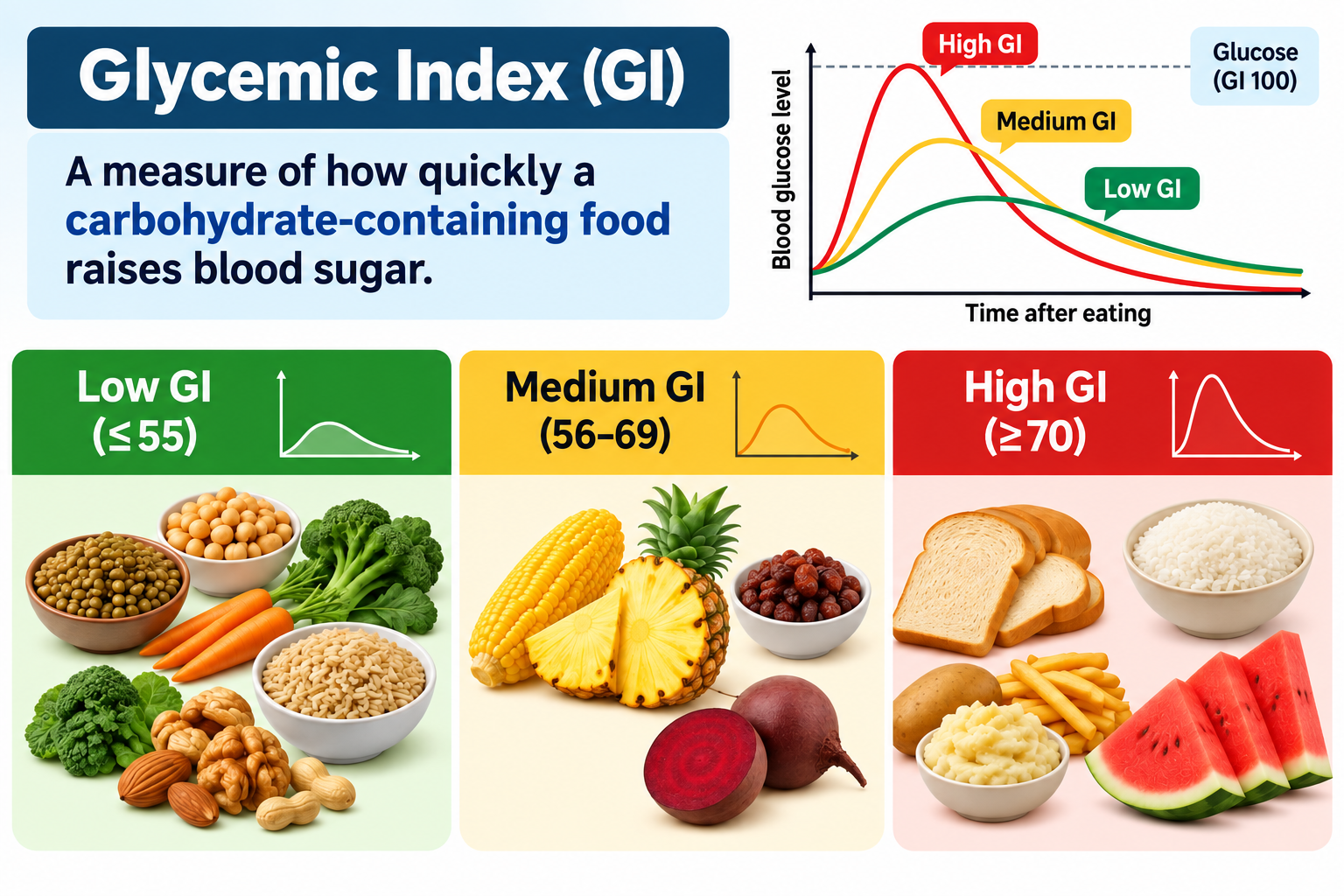
- A measure of how quickly a food raises blood sugar compared with pure glucose (GI = 100).
- Classification
- Low GI (≤55)
- Food That Causes A Slow, Gradual Rise In Blood Sugar
- Examples: Lentils, Chickpeas, Green Vegetables, Carrots, Brown Rice, Peanuts, Almonds, Walnuts, Etc.
- Medium GI (56–69)
- Food That Has A Moderate Impact On Blood Sugar
- Examples: Sweet Corn, Raw Pineapple, Raisins, Beetroot, Etc.
- High GI (≥70)
- Food That Causes A Rapid Rise In Blood Sugar Levels
- Examples: White Bread, White Rice (Especially Sticky Or Jasmine Rice), Potatoes (Especially Mashed Potatoes And French Fries), Watermelon, Etc.
- Low GI (≤55)
What is Glycemic Load (GL)?
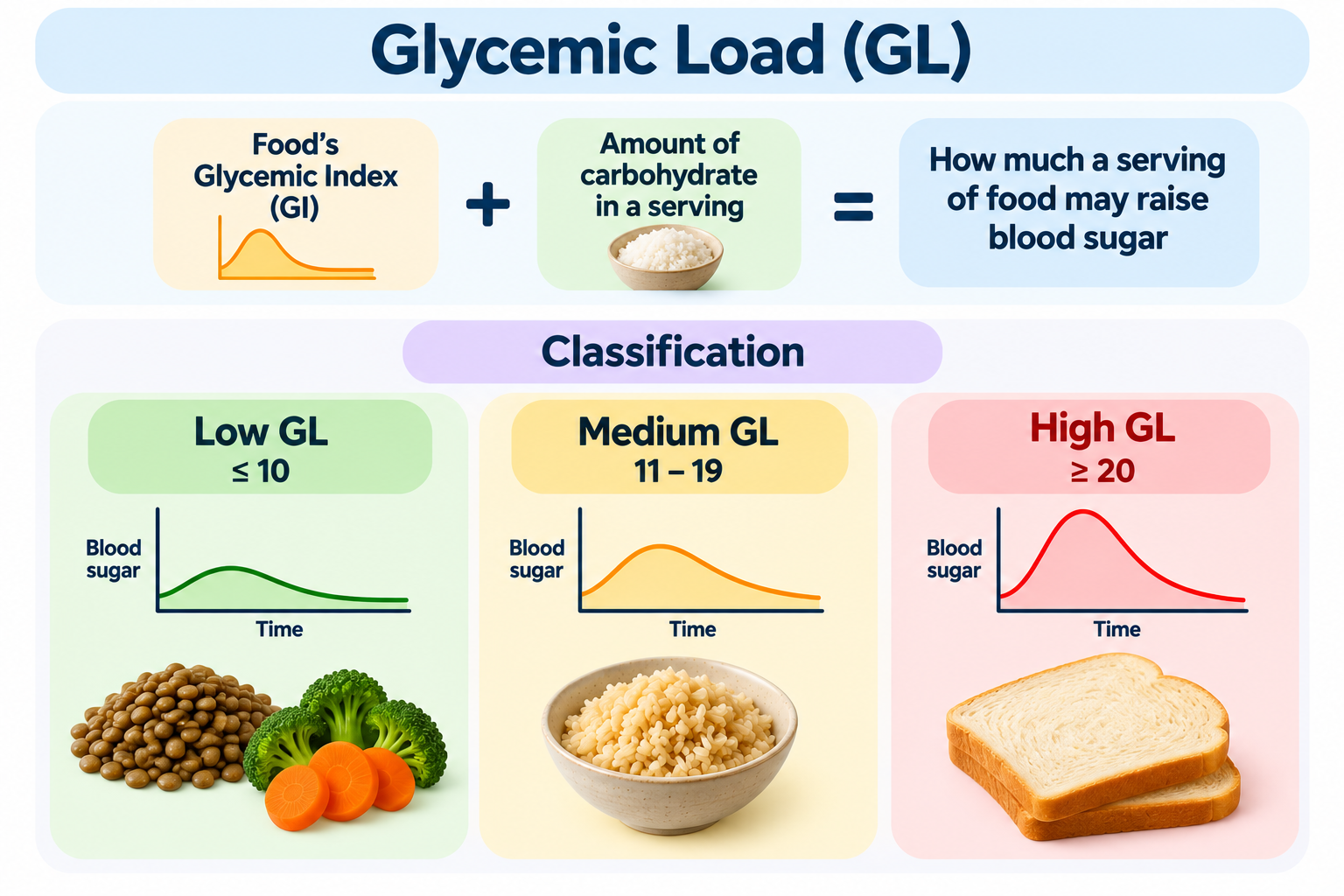
- It measures how much a serving of food may raise blood sugar and considers both the food’s GI and the amount of carbohydrate in that serving.
- Classification
- Low GL (≤ 10)
- Foods that generally cause a slower and smaller rise in blood glucose levels.
- Medium GL (11-19)
- Foods that cause a moderate rise in blood glucose levels.
- High GL (≥ 20)
- Foods that cause a rapid and significant rise in blood glucose levels.
- Low GL (≤ 10)
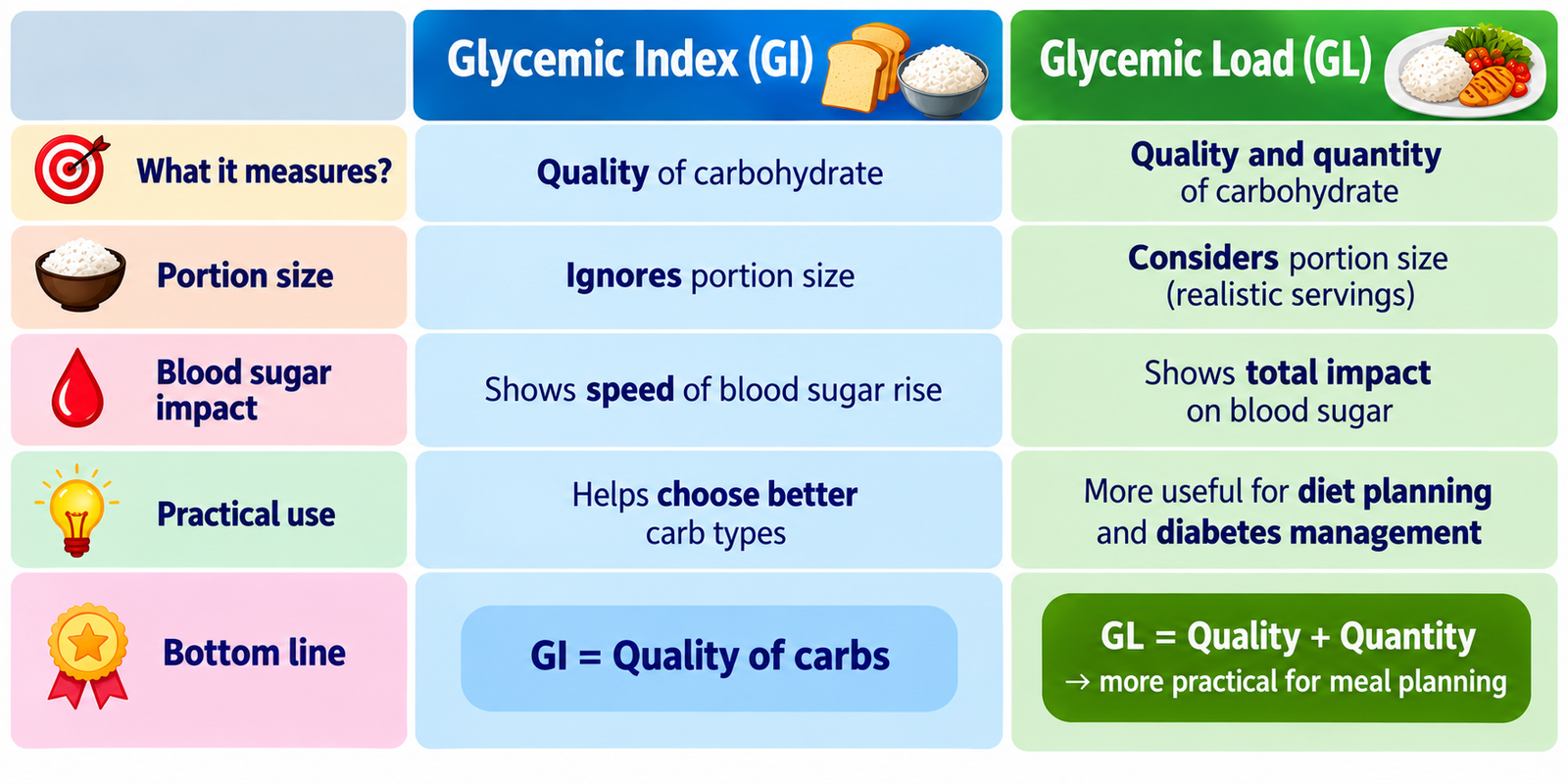
Glycemic Index Vs Glycemic Load
Frequently Asked Questions
Why is GL important along with GI?
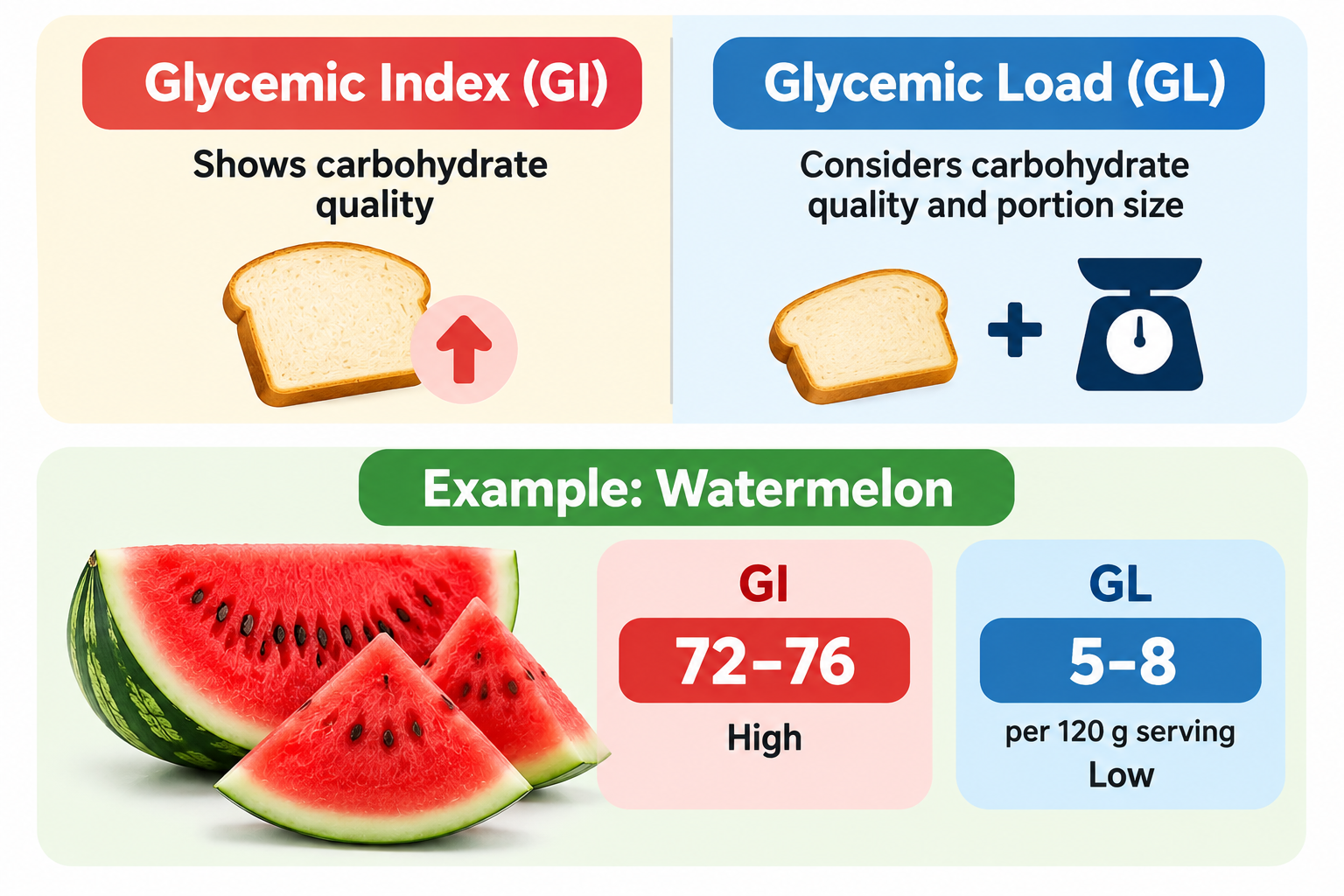
- GI shows carbohydrate quality, while GL considers both quality and portion size—giving a more realistic picture of a food’s blood sugar impact.
- Example: Watermelon has a GI of 72-76, which is considered high. However, it has a GL of 5-8 per 120g serving, meaning the actual impact on blood sugar is less than what the GI suggests. This is due to watermelon’s high water content and relatively low carbohydrate content.
What is the Effect of protein and fat?
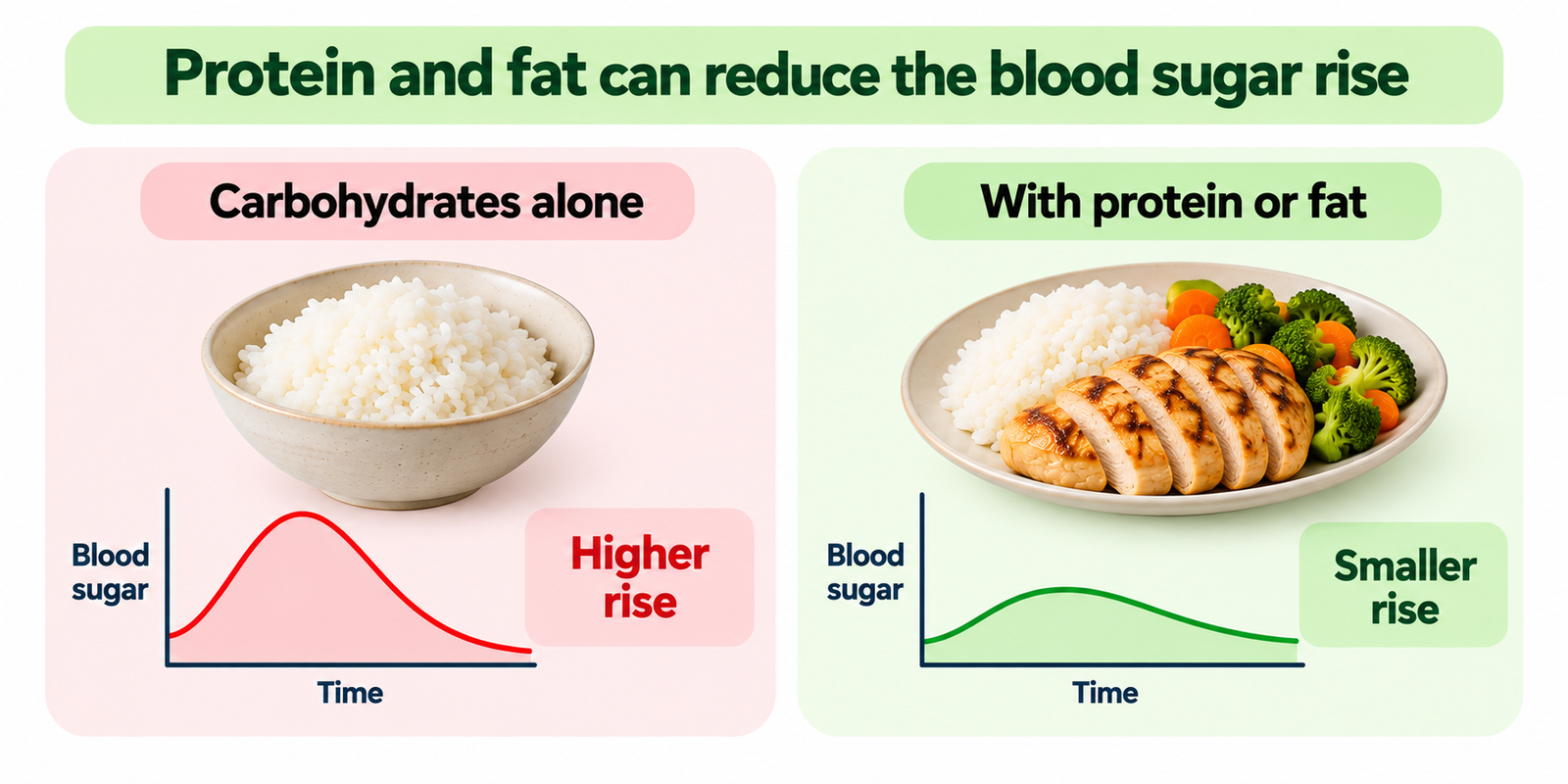
- Protein and fat can affect the blood glycemic response to a meal.
- They may slow digestion and carbohydrate absorption, leading to a smaller or slower rise in blood sugar.
- Protein may have a greater effect than fat in some meals, but the effect depends on the food and meal composition.
How does fiber affect it ?
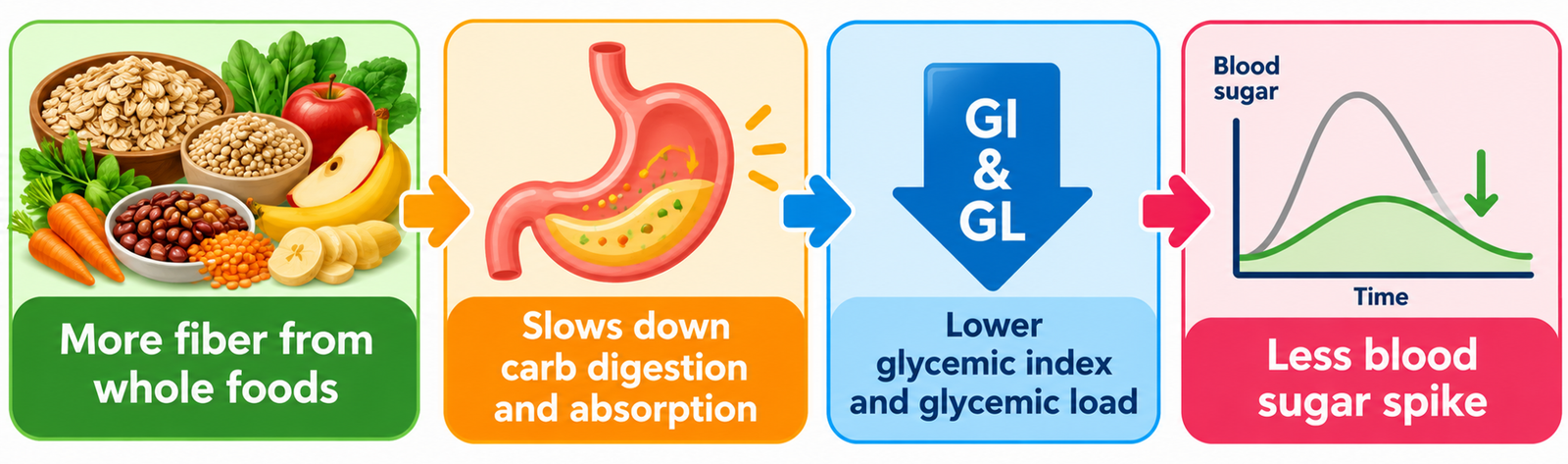
- Soluble fiber (e.g., oats, barley, fruits like apples and bananas, legumes like beans and lentils, vegetables like carrots) reduces the glucose absorption rate, leading to a gradual rise in blood sugar after a meal.
What is the effect of cooking?
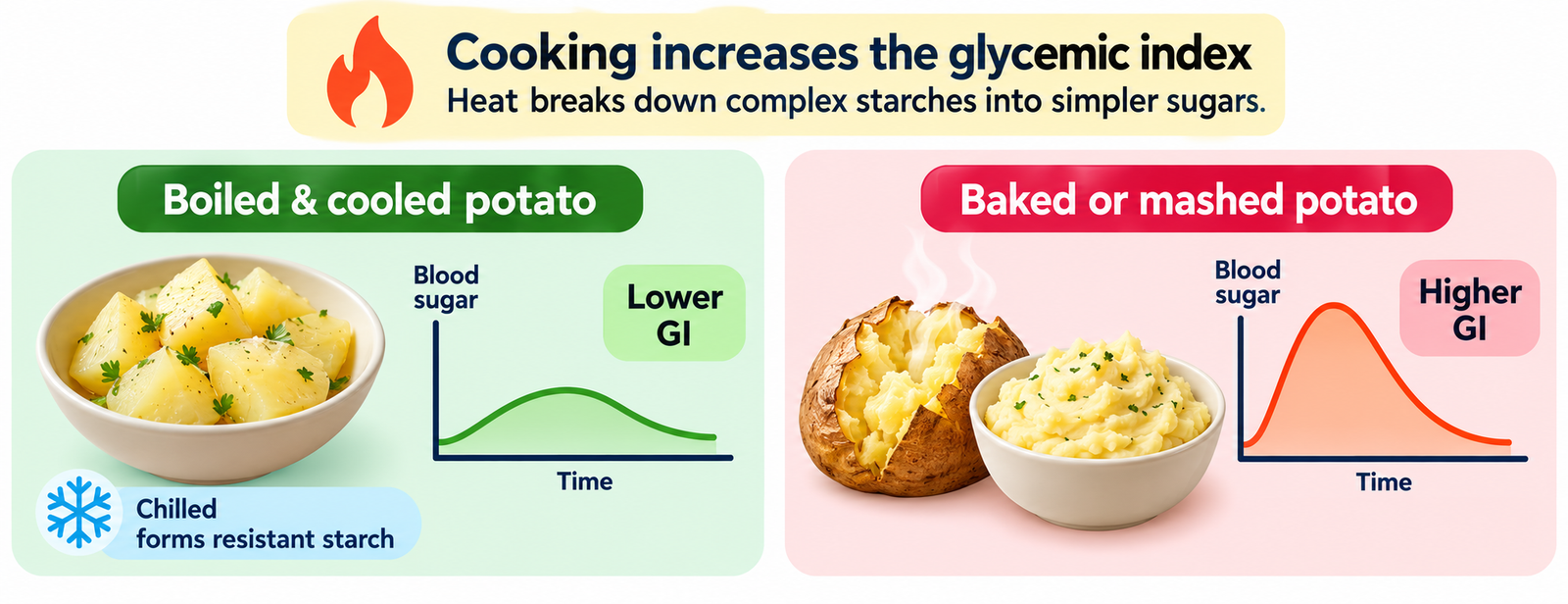
- Cooking can increase the glycemic response of some starchy foods by making their starch easier to digest. The effect depends on the food, cooking method, and degree of cooking.”
- Example: Baked or mashed potatoes have a significantly higher GI than boiled and cooled potatoes, particularly when the potatoes are chilled to form ‘resistant starch’.
How does ripening affect it?
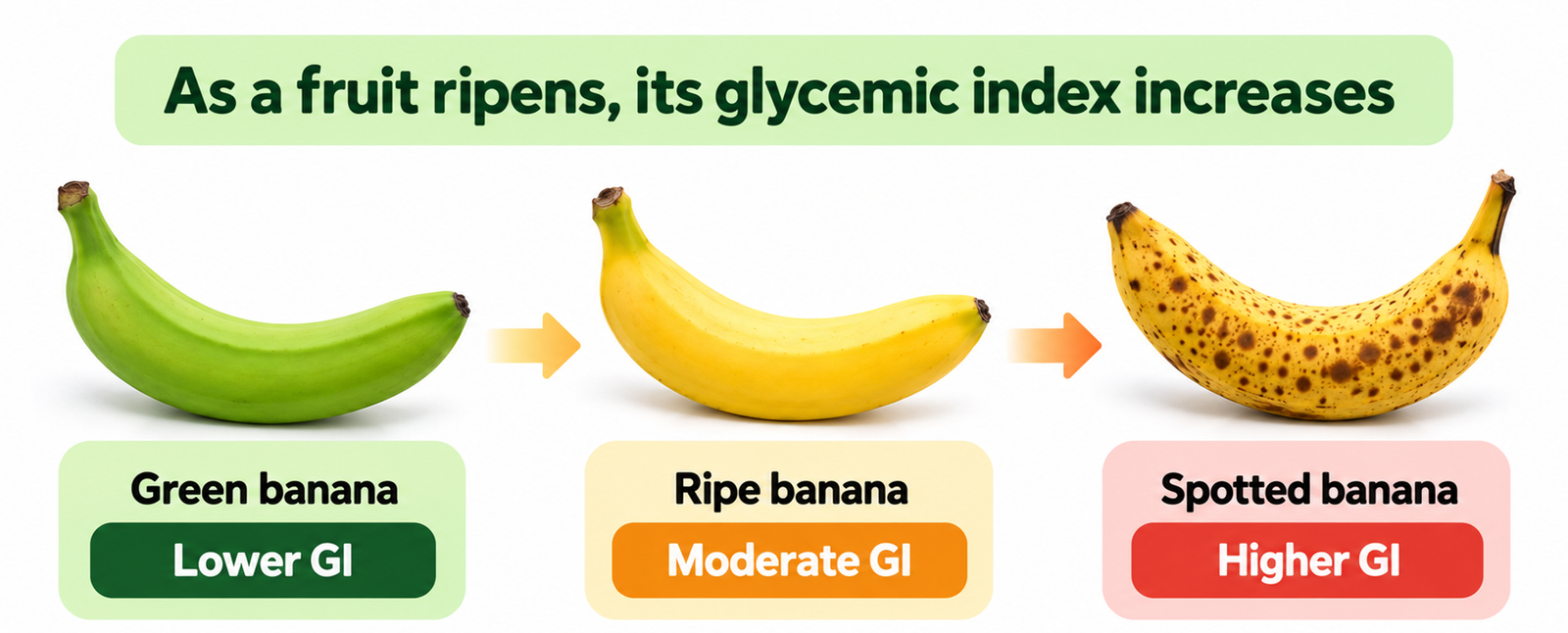
- During fruit ripening, complex carbohydrates, including starches, are converted into simpler sugars such as glucose and fructose, thereby elevating the GI.
- Example: A green banana has a lower GI than a ripe, yellow, or spotted banana.
What is the effect of adding acid?
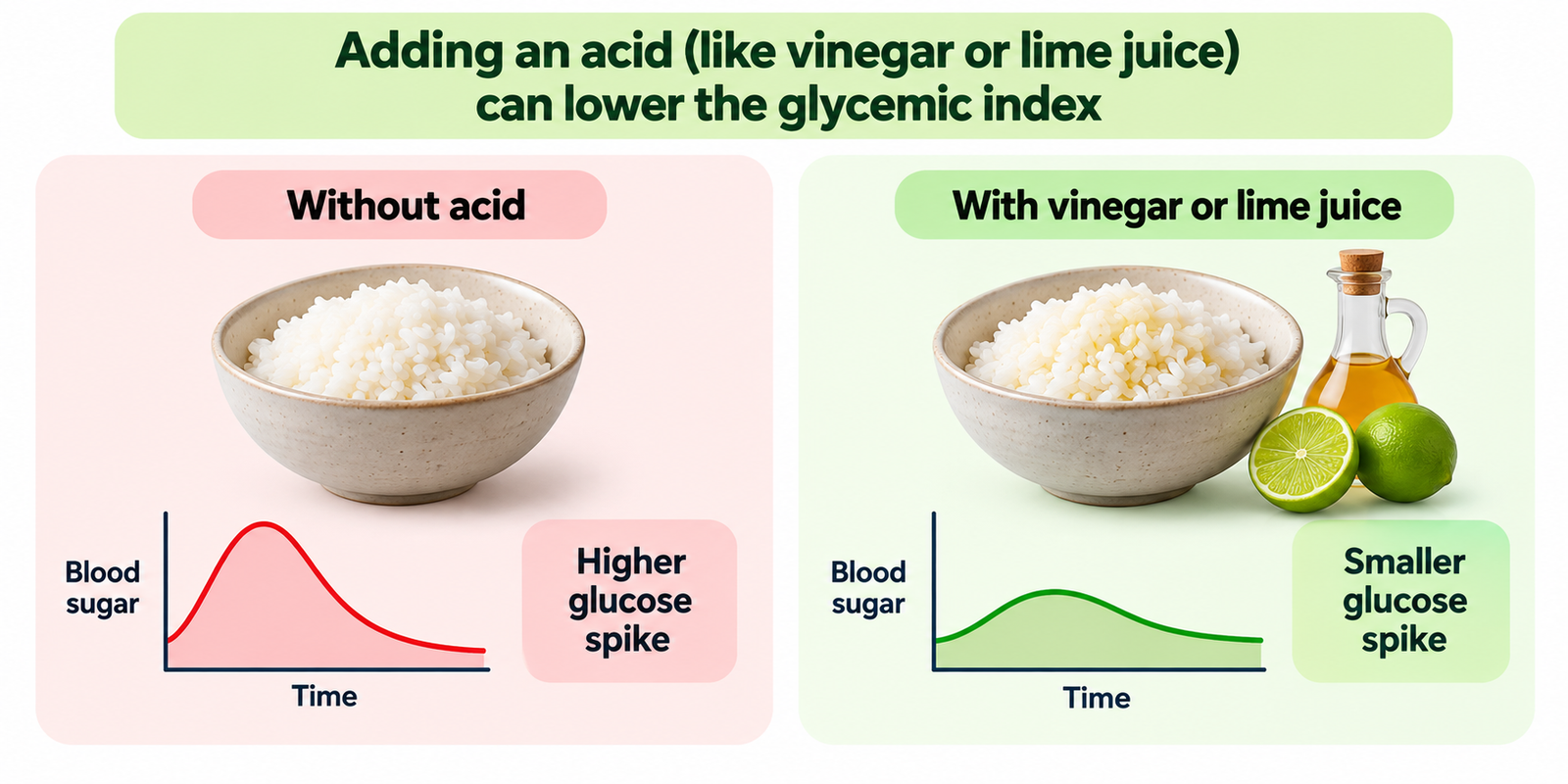
- Adding acidic foods such as vinegar or lemon juice may slow the rise in blood glucose after a meal. However, this does not reduce the amount of carbohydrate in the food.
Can portion size change Glycemic Load?
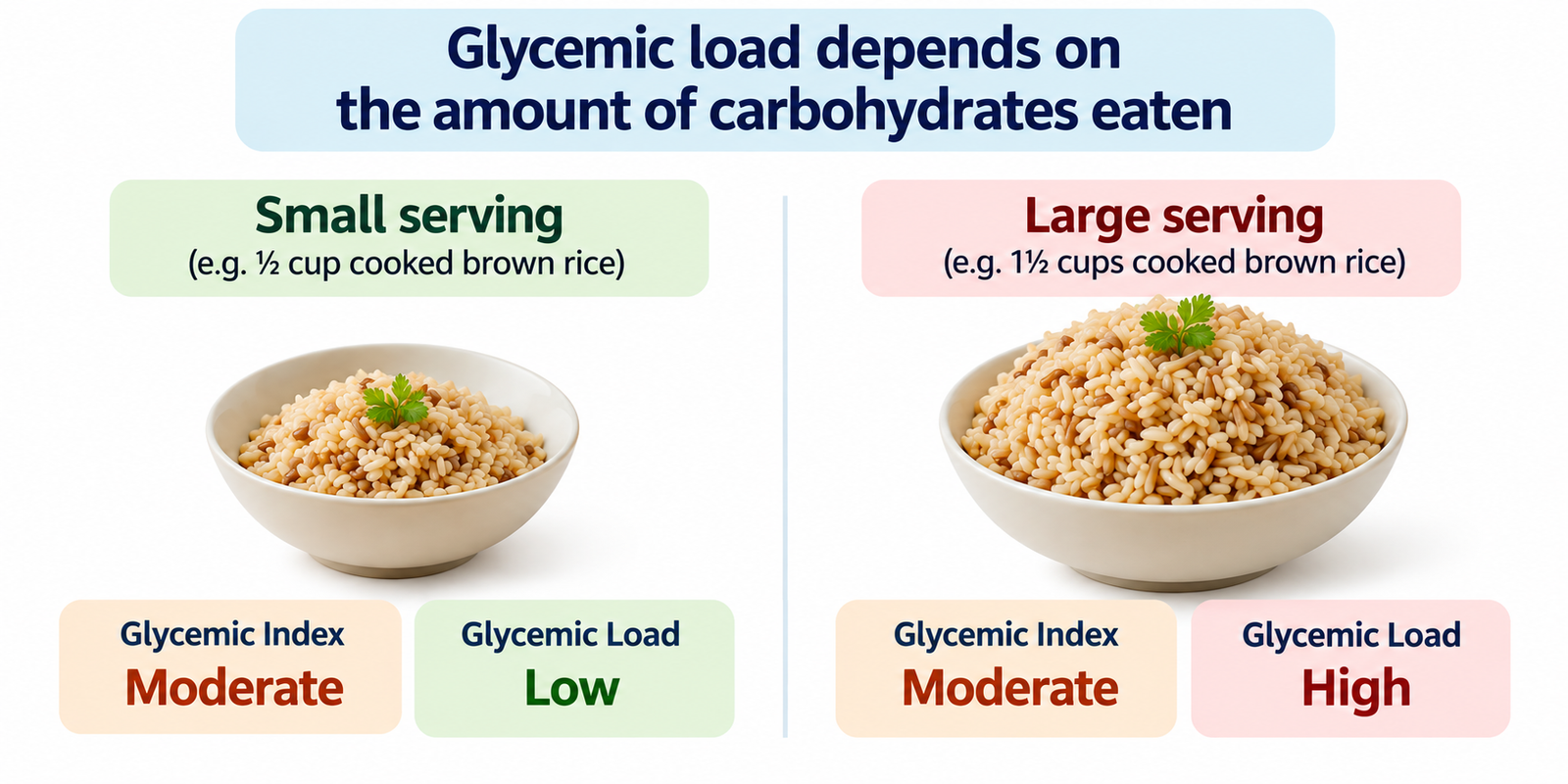
- Yes, GL depends directly on the amount of carbohydrates eaten.
- Example: Brown rice has a moderate GI, but consuming a large serving can still result in a high GL.
Do beverages or Juices affect it?
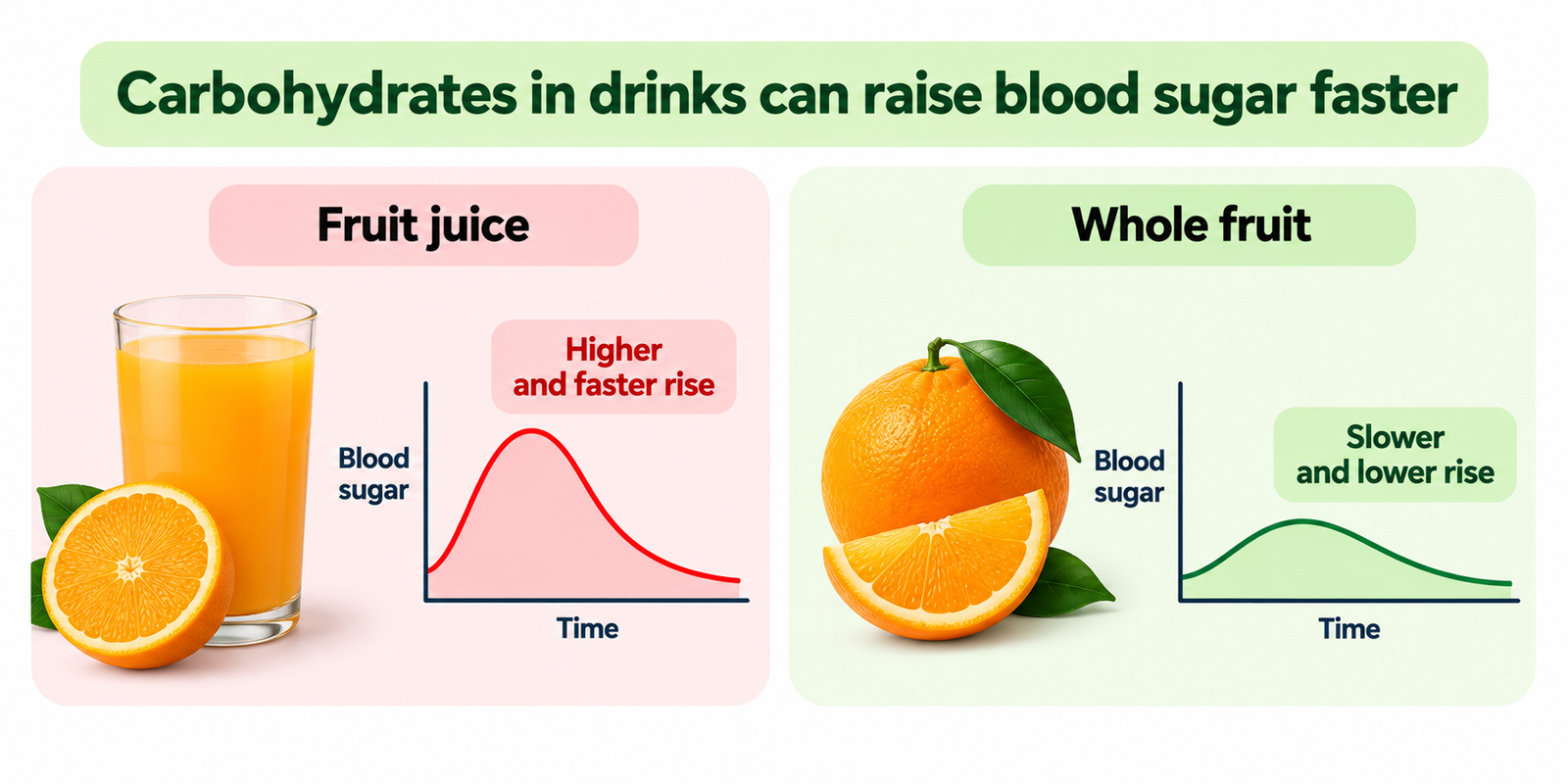
- Yes, Carbohydrates in drinks are often absorbed faster than those in solid foods, which can cause a quicker rise in blood sugar.
- Example: Fruit juice can cause a faster and higher blood sugar rise than whole fruit.
Practical Tips for Smart Eating
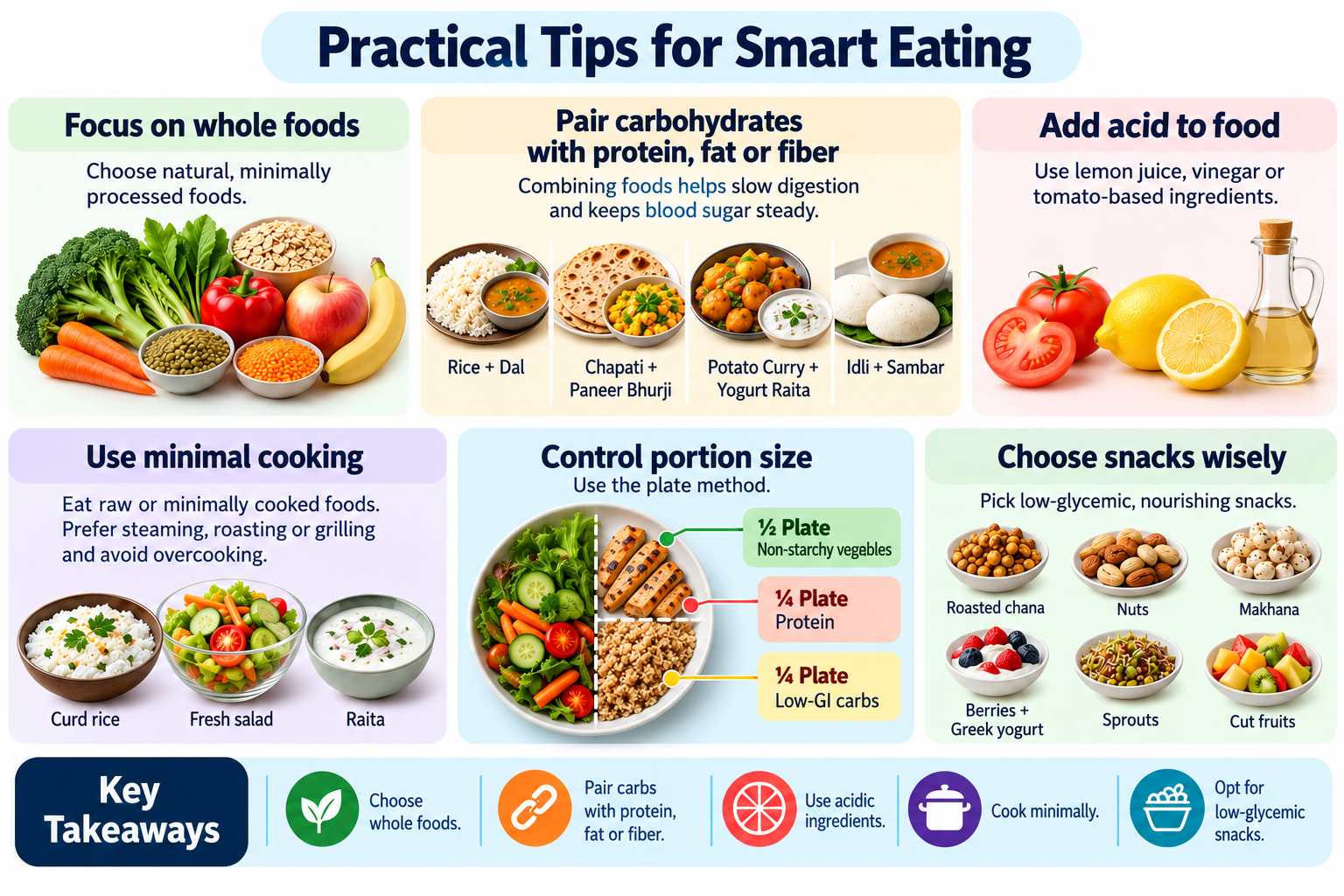
- Focus on whole foods
- Select foods that are naturally low in GI and minimally processed.
- Example: Vegetables, Fruits, Whole grains, Legumes.
- Pair carbohydrates with fat, protein, or fiber
- Indian food examples:
- White Rice (high GI) + Dal (protein + fiber from lentils)
- Chapati (wheat, medium-high GI) + Paneer Bhurji (protein + fat)
- Potato Curry (high GI carb) + Yogurt Raita (protein + fat)
- Idli (fermented rice, high GI) + Sambar (lentils + veggies)
- Paratha (refined flour, high GI) + Chole (chickpeas, protein + fiber)
- Indian food examples:
- Add acid to food
- Add acidic ingredients, such as lemon juice, vinegar, or tomato-based products, to your food.
- Prepare food with minimal cooking when feasible
- Emphasize the consumption of raw or minimally cooked foods.
- Use cooking methods including steaming, roasting, and grilling, and avoid overcooking.
- Examples: Curd rice, fresh salads, raita.
- Control portion size
- Use the plate method:
- ½ Plate: Non-starchy veggies – (Spinach, broccoli, peppers, cucumbers, salad) ➝ Low-carb, low-GI, high in fiber
- ¼ Plate: Protein – (Chicken, fish, egg, paneer, tofu) ➝ Slows digestion, balances blood sugar
- ¼ Plate: Low-GI carbs – (Whole grains, sweet potatoes, legumes, fruit) ➝ Prefer low to moderate GI sources
- Use the plate method:
- Select snacks wisely
Key Takeaways
- Glycemic Index (GI) indicates how quickly a food raises blood sugar, while Glycemic Load (GL) also accounts for portion size.
- Low-GI and low-GL foods like vegetables, legumes, whole grains, and nuts help maintain steady energy and better blood sugar control.
- High-GI and high-GL foods such as white bread, sugary drinks, and refined snacks can cause blood sugar spikes and increase hunger.
- Pair carbohydrates with protein, healthy fats, or fiber to slow sugar absorption and keep blood sugar stable.
- Focus on smart food choices and portion control rather than eliminating carbs completely. Small changes can make a big difference.
Further Reading
- National Cancer Institute. (n.d.). Glycemic index. NCI Dictionary of Cancer Terms. U.S. Department of Health and Human Services. Retrieved from https://www.cancer.gov/publications/dictionaries/cancer-terms/def/glycemic-index
- Jenkins, D. J. A., Kendall, C. W. C., Augustin, L. S. A., & Franceschi, S. (2011). The 3 R’s of glycemic index recommendations. Clinical Diabetes, 29(4), 155–159. https://doi.org/10.2337/diaclin.29.4.155
- Brand-Miller, J. C., Stockmann, K., Atkinson, F., Petocz, P., & Denyer, G. S. (2009). Glycemic index, postprandial glycemia, and the shape of the curve in healthy subjects: Analysis of a database of more than 1,000 foods. The American Journal of Clinical Nutrition, 89(1), 97–105. https://pmc.ncbi.nlm.nih.gov/articles/PMC6213615/
- Jenkins, D. J. A., Wolever, T. M. S., Taylor, R. H., Barker, H., Fielden, H., Baldwin, J. M., … & Goff, D. V. (1981). Glycemic index of foods: A physiological basis for carbohydrate exchange. Biochemistry and Molecular Biology Education, 9(1), 20–25. https://doi.org/10.1002/bmb.20314
- Atkinson, F. S., Foster-Powell, K., & Brand-Miller, J. C. (2021). International tables of glycemic index and glycemic load values 2021. Journal of Nutrition, 152(1), 75–100. https://www.sciencedirect.com/science/article/pii/S002231662208470X
- Henry, C. J., Lightowler, H. J., Strik, C. M., Renton, H., & Hails, S. (2005). Glycaemic index and glycaemic load values of commercially available products in the UK. British Journal of Nutrition, 94(6), 922–930. https://pmc.ncbi.nlm.nih.gov/articles/PMC2367101/.
- Kalyani RR, Egan JM. Diabetes and altered glucose metabolism with aging. Endocrinol Metab Clin North Am. 2013 Jun;42(2):333-47.https://pmc.ncbi.nlm.nih.gov/articles/PMC3664017/#S12.
- Cleveland Clinic. (2023, August 18). Gut Microbiome. Cleveland Clinic Health Library. Retrieved from https://my.clevelandclinic.org/health/body/25201-gut-microbiome
- Centers for Disease Control and Prevention. (2024, May 15). 10 Surprising Things That Can Spike Your Blood Sugar. U.S. Department of Health and Human Services. Retrieved from https://www.cdc.gov/diabetes/living-with/10-things-that-spike-blood-sugar.html