
Introduction
Indians are witnessing a rapid rise in lifestyle-related disorders such as diabetes, obesity, high blood pressure, heart disease, stroke, and certain cancers. While advances in healthcare have helped reduce the burden of many infectious diseases, changes in dietary habits and increasingly sedentary lifestyles have contributed significantly to the growing prevalence of non-communicable Diseases.
Over the past few decades, traditional home-cooked meals have gradually been replaced by diets rich in refined carbohydrates, added sugars, unhealthy fats, excess salt, and ultra-processed foods. As a result, many people are consuming more calories but fewer essential nutrients.
Long before modern nutrition science emerged, traditional Indian food practices emphasized balance, variety, seasonality, and moderation. Developed over thousands of years and shaped by diverse cultures, climates, agricultural systems, and local food resources, these dietary traditions promoted the use of fresh, minimally processed foods, whole grains, pulses, vegetables, fermented foods, and a wide range of herbs and spices.
Today, many of these time-tested practices are being rediscovered for their potential To Improve Nutrition, Support Gut Health, Manage Blood Sugar Levels, And Reduce the risk of chronic diseases. Revisiting traditional Indian dietary wisdom may offer simple, practical, and sustainable solutions for healthier living in the modern world.
Traditional Indian Food Practices
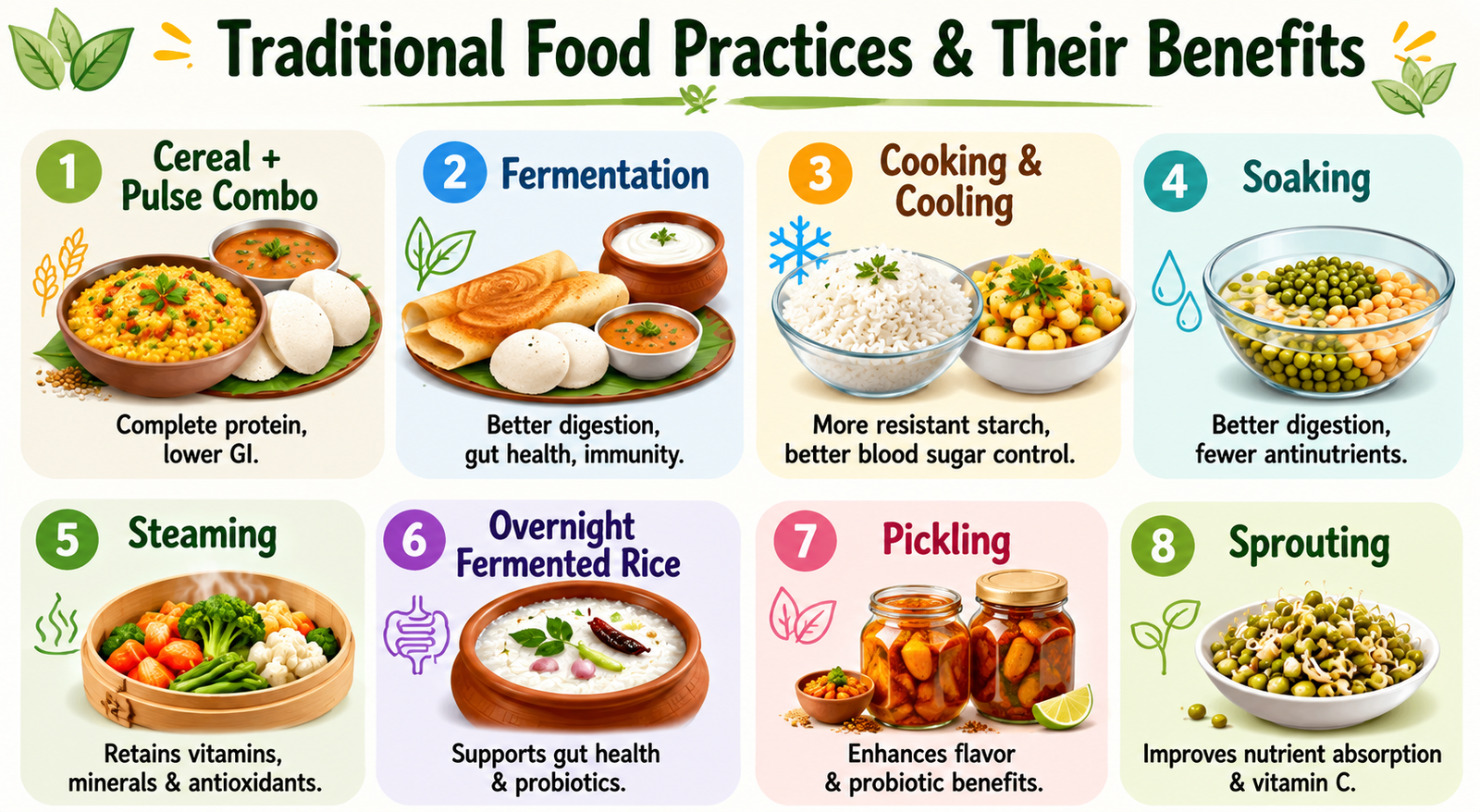
- Cereal + Pulse Combination
- Traditional dishes like khichdi, idli, dosa, and dal paratha provide complete protein and help lower the glycemic index (GI) of meals.
- Fermentation
- Fermented foods such as idli, dosa, dhokla, and curd improve digestion, boost gut health, enhance immunity, and increase vitamin B and C levels.
- Cooking & Cooling Starchy Foods
- Cooling cooked rice, potatoes, or legumes increases the amount of resistant starch, which supports gut health and helps control blood sugar levels.
- Soaking Grains & Pulses
- Soaking improves digestibility, reduces cooking time, and lowers antinutritional factors such as phytates and tannins.
- Steaming
- Steaming vegetables helps preserve vitamins, minerals, and antioxidants better than many other cooking methods.
- Overnight Fermented Rice
- Traditional dishes like pakhala and panta bhaat improve gut health and increase beneficial vitamins and probiotics.
- Pickling
- Traditional pickles enhance flavor, improve shelf life, and support gut-friendly probiotic activity.
- Sprouting
- Sprouting legumes increases vitamin C, improves mineral absorption, and enhances overall nutrient availability.
Traditional Indian Cooking Techniques
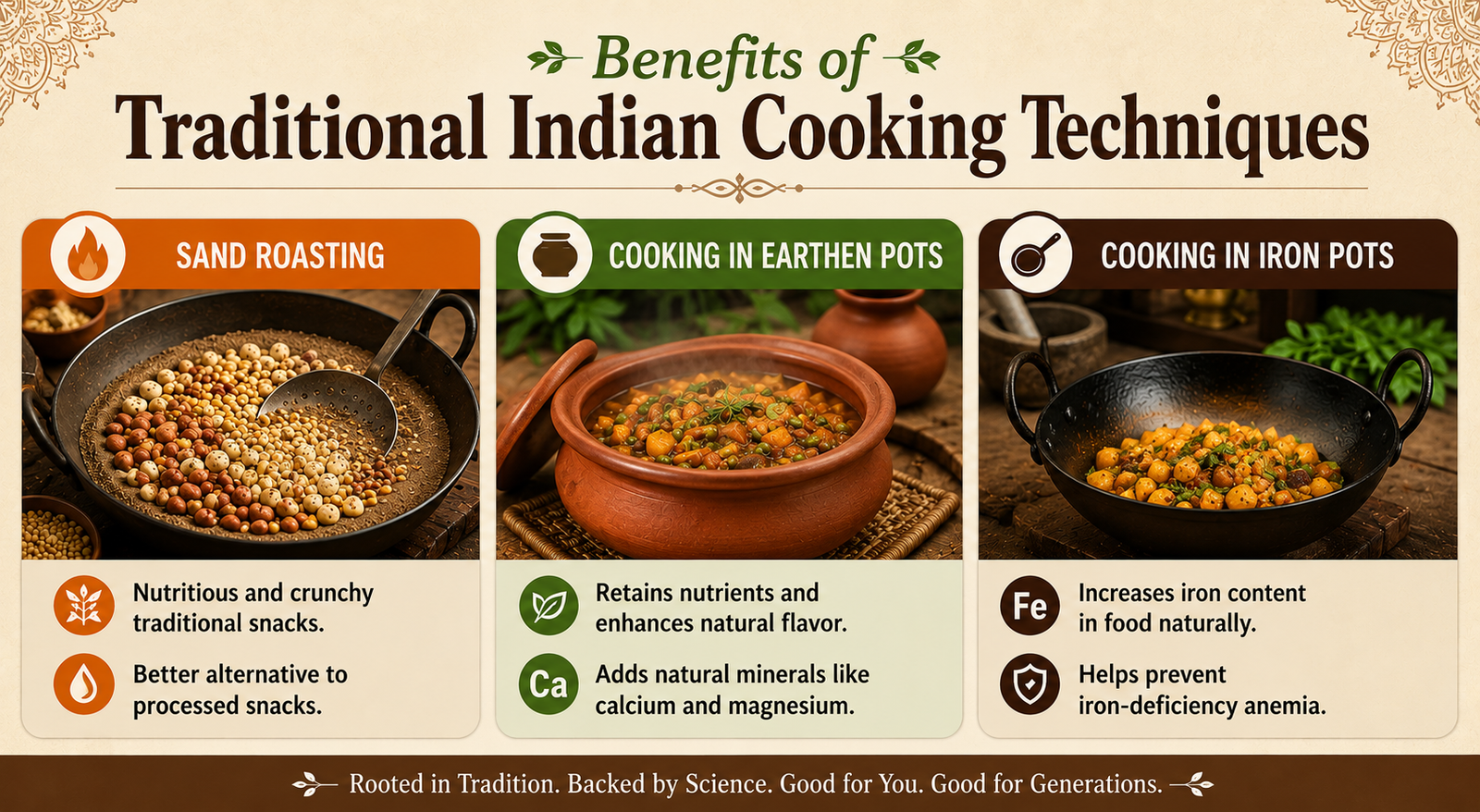
- Sand Roasting
- Traditional roasted snacks made from cereals, millets, and legumes are nutritious, crunchy, and healthier alternatives to processed snacks.
- Cooking in Earthen Pots
- Clay pots retain nutrients, enhance flavor, require less oil, and naturally add minerals like calcium and magnesium.
- Cooking in Iron Pots
- Iron cookware naturally increases iron content in food and helps prevent iron-deficiency anemia.
Traditional Ways to Make Rice Meals Healthier
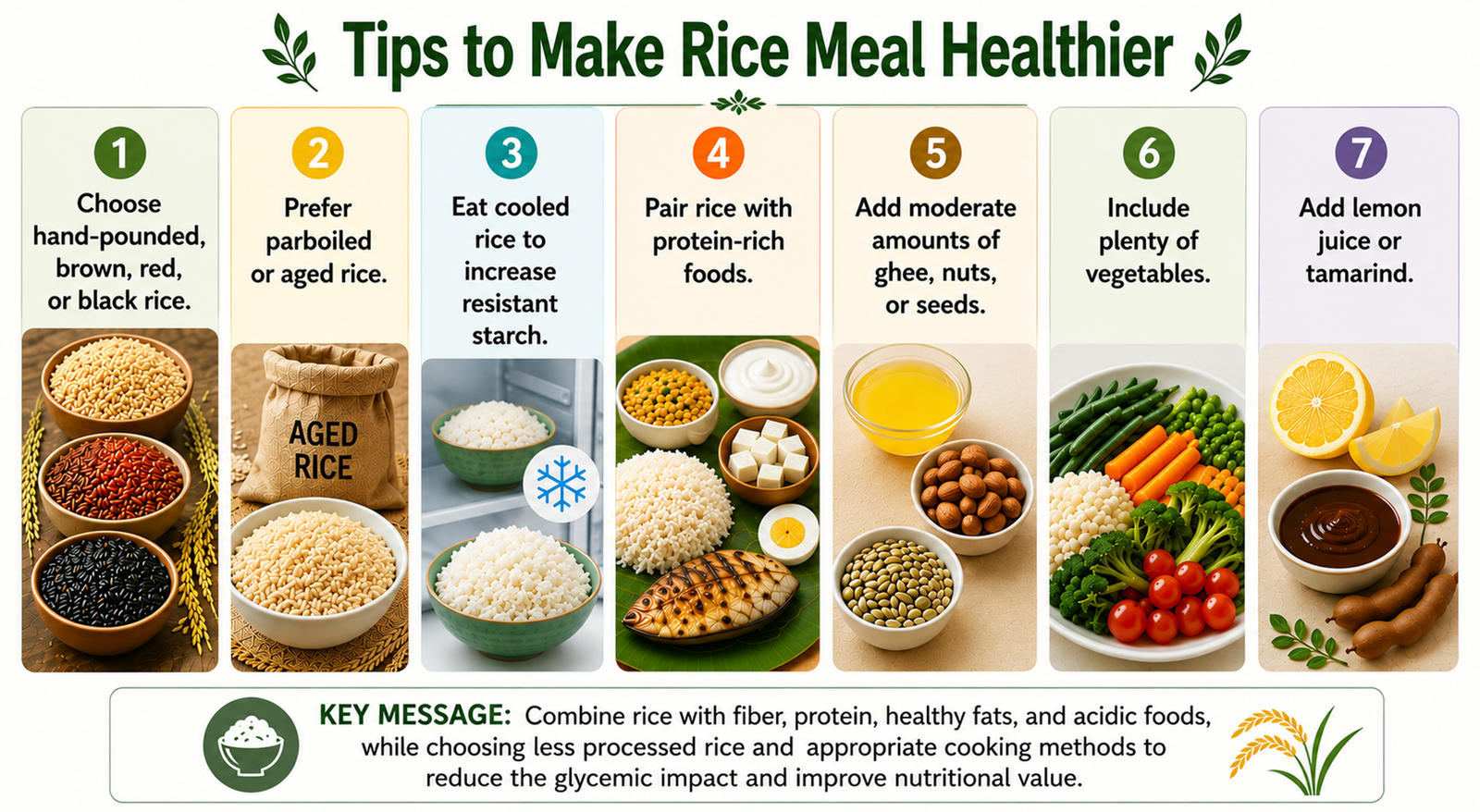
- Choose hand-pounded rice or whole-grain varieties such as brown, red, or black rice instead of highly polished white rice.
- Prefer parboiled rice, which generally has a lower glycemic response than polished white rice.
- Use aged (stored) rice, as it may produce a lower post-meal rise in blood glucose compared with freshly harvested rice.
- Consume cooked rice that has been cooled overnight to increase resistant starch content and reduce glycemic impact.
- Pair rice with protein-rich foods such as pulses, yogurt, paneer, eggs, fish, poultry, or lean meat.
- Add healthy fats in moderation, such as ghee, nuts, and seeds, to slow glucose absorption.
- Include a generous portion of non-starchy vegetables to boost fiber and improve overall meal quality.
- Add acidic ingredients such as lemon juice or tamarind, which may help moderate post-meal blood glucose spikes.
Traditional Ways to Make Wheat-Based Meals Healthier
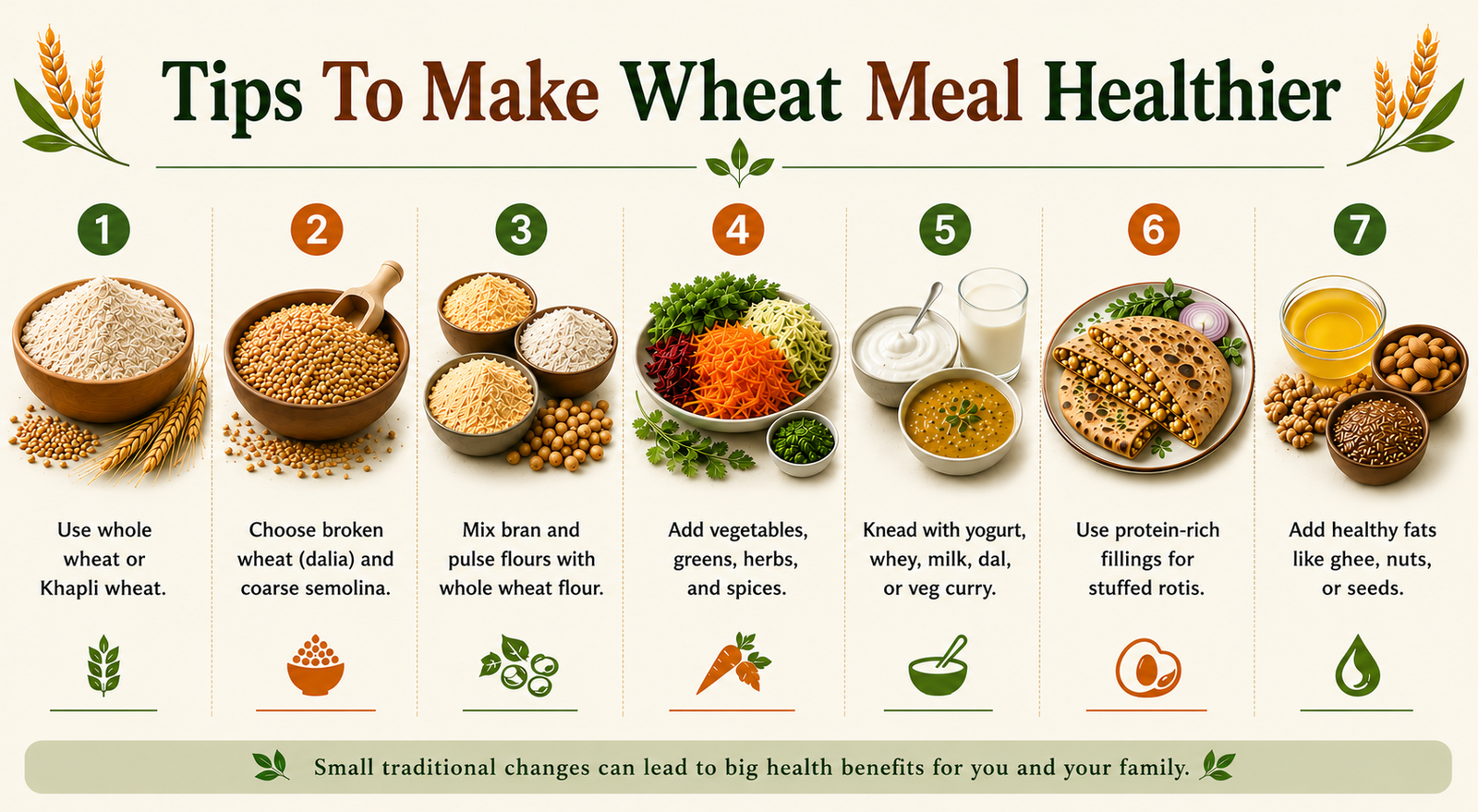
- Use whole wheat flour or Khapli (Emmer) wheat instead of refined flour.
- Choose broken wheat (dalia) and coarse semolina over finely milled varieties.
- Mix bran and pulse flours, such as besan, soy, or millet, with whole wheat flour.
- Add grated or pureed vegetables, green leafy vegetables, herbs, and spices to the dough.
- Knead the dough with yogurt, whey, milk, leftover dal, or vegetable curries for added nutrition.
- Prepare stuffed chapatis or parathas with protein-rich fillings such as eggs, paneer, pulses, minced meat, and vegetables.
- Add moderate amounts of healthy fats such as ghee, nuts, or seeds to improve satiety and reduce the meal’s glycemic impact.
Traditional Ways to Boost Meal Nutrition Using Pulses
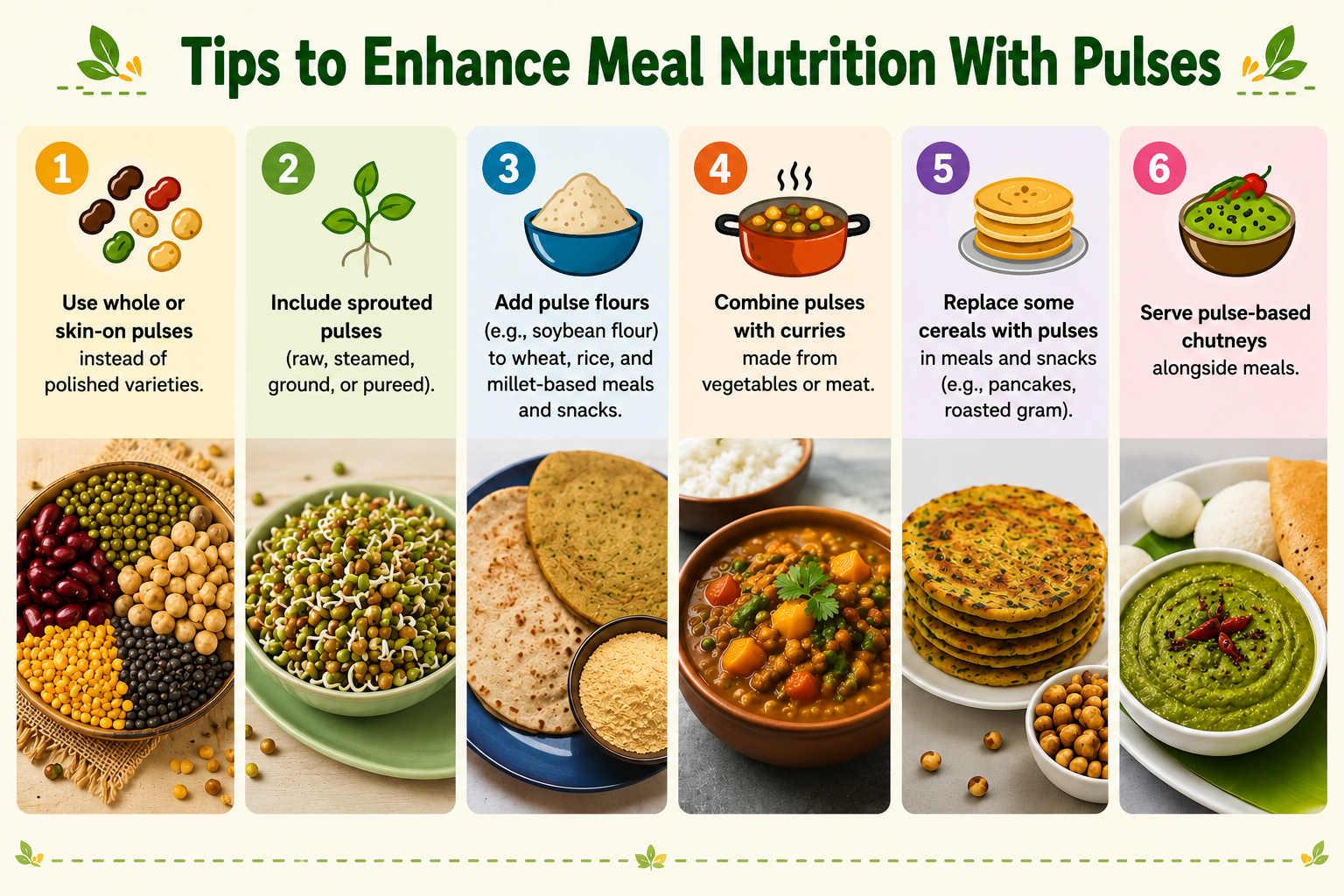
- Use whole pulses or pulses with skin instead of polished varieties.
- Include sprouted pulses (raw, steamed, ground, or pureed).
- Add pulse flours (e.g., soybean flour) to wheat, rice, and millet-based meals and snacks.
- Combine pulses with curries made from vegetables or meat.
- Replace some cereals with pulses in meals and snacks (e.g., pancakes, roasted gram).
- Serve pulse-based chutneys alongside meals.
The Indian Thali: A Timeless Balanced Meal
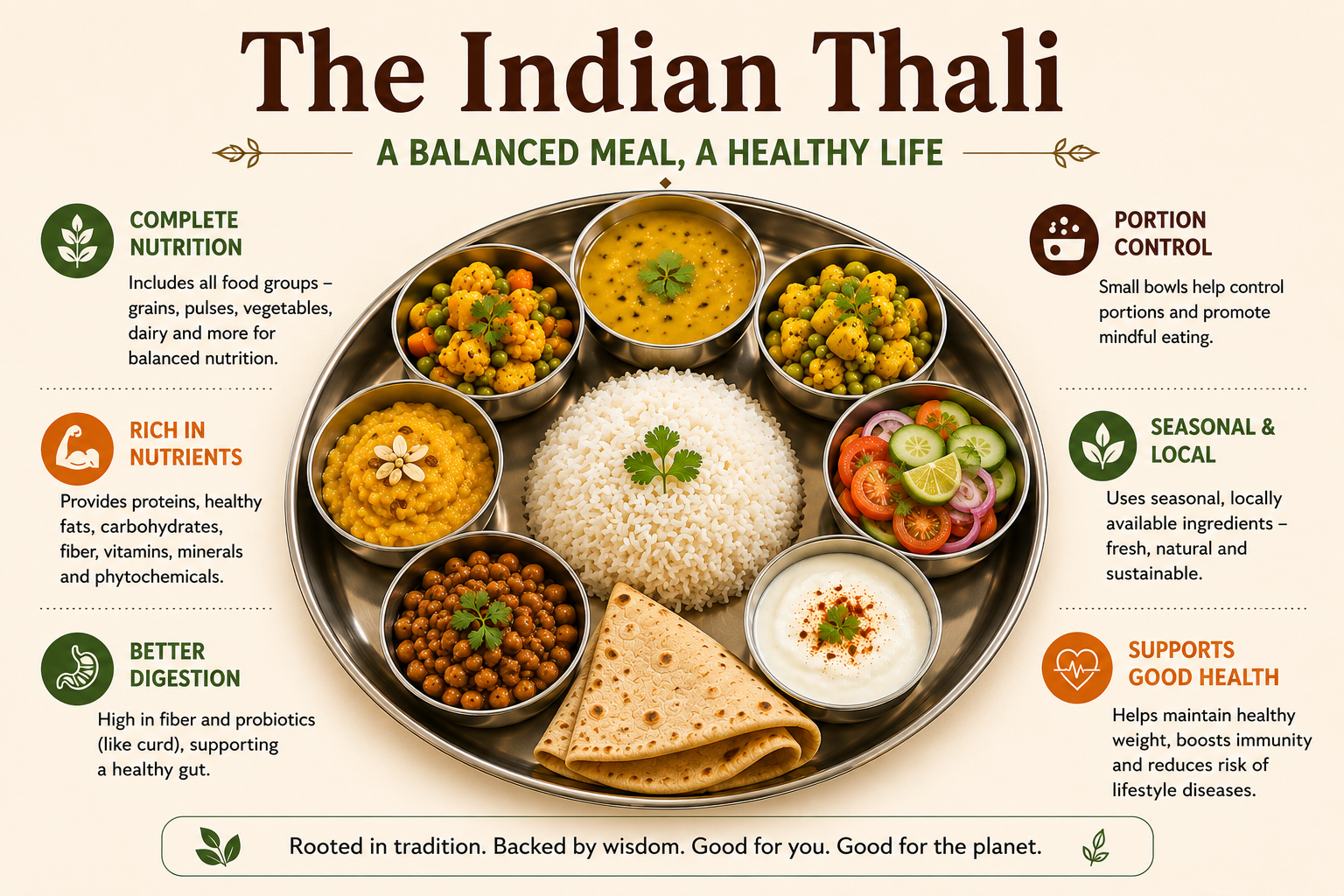
The traditional Indian Thali has followed the “plate method” for centuries, offering balanced nutrition through a variety of foods served in controlled portions. A typical Thali includes whole grains, vegetables, pulses or non-vegetarian dishes, and dairy, providing a healthy mix of carbohydrates, proteins, fats, fiber, and phytochemicals. It also emphasizes seasonal, locally available ingredients and a predominantly plant-based approach to eating.
Conclusion
“Traditional Indian dietary practices were developed through generations of observation and adaptation. By combining these time-tested approaches with modern nutritional knowledge, we can create healthier meals that support better blood sugar control, digestive health, and overall well-being. Returning to these simple food traditions may be one of the most effective ways to address today’s growing burden of lifestyle diseases.”
Further Reading
- Exploring the Diabetes Epidemic in India. India Science, Technology & Innovation Portal. Available at: India Science, Technology & Innovation Portal. Accessed June 9, 2026.
- ‘Old Is Gold’: How Traditional Indian Dietary Practices Can Support Diabetes Management. Journal of the Association of Physicians of India (JAPI). 2025;73(5):12. Available at: JAPI Article. Accessed June 9, 2026.
- Dietary Patterns, Habits, and the Rising Burden of Diabetes in India.Indian Journal of Kidney Diseases. 2025; Available at: Indian Journal of Kidney Diseases Article. Accessed June 9, 2026.
Disclaimer: The information provided on Medical Pharma Lifestyle Pulse is for educational and informational purposes only and is not intended as medical advice, diagnosis, or treatment. Always consult a qualified healthcare professional before making any decisions about your health, medications, or treatment. Never ignore or delay seeking professional medical advice based on information you have read on this website. While we strive to provide accurate and up-to-date information, we do not guarantee the completeness or accuracy of the content. For more information, please read our full Medical Disclaimer.



Great content! Keep up the good work!
Thank you !!