
Table of Contents
Introduction
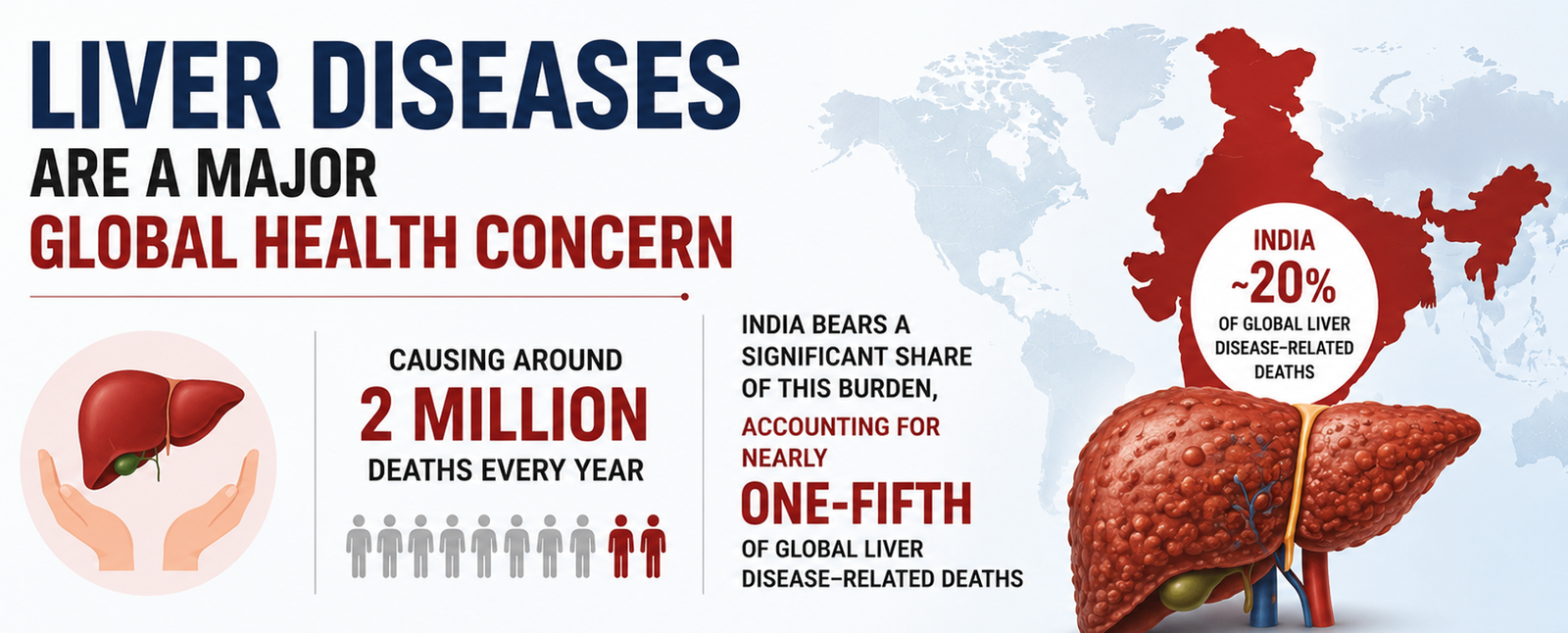
Your liver works quietly every day, performing more than 500 essential functions. Yet liver disease often develops silently, with few or no symptoms until significant damage has already occurred.
Liver diseases are a major global health concern, causing around 2 million deaths each year. In India, the burden is particularly high, accounting for nearly one-fifth of global liver disease–related deaths in 2015. Chronic liver diseases, including cirrhosis and its complications, have been steadily increasing as causes of death in India since 1980. Despite their growing impact, effective cures for many liver diseases are still lacking, largely because the underlying disease mechanisms are not yet fully understood.
In this blog, let’s learn the basics of liver health and diseases, and explore simple ways to keep it healthy.
What are the causes of Liver Diseases?
Acute (Sudden) Liver Disease
- Viral infections affecting the liver
- Side effects or damage caused by certain medicines
Chronic (Long-Term) Liver Disease
- Excessive alcohol consumption
- Hepatitis B infection
- Hepatitis C infection
- Fatty liver disease is often linked to obesity, diabetes, and unhealthy lifestyle habits
Who is at higher risk of developing liver disease?
Certain people have a higher risk of developing liver disease, including those with:
- ⚖️ People with obesity or overweight
- 🩸 People with diabetes
- 🍺 Heavy alcohol consumption
- 🦠 Hepatitis B or Hepatitis C infection
- ❤️ High cholesterol or high triglyceride levels
What are the Symptoms of Liver Disease?
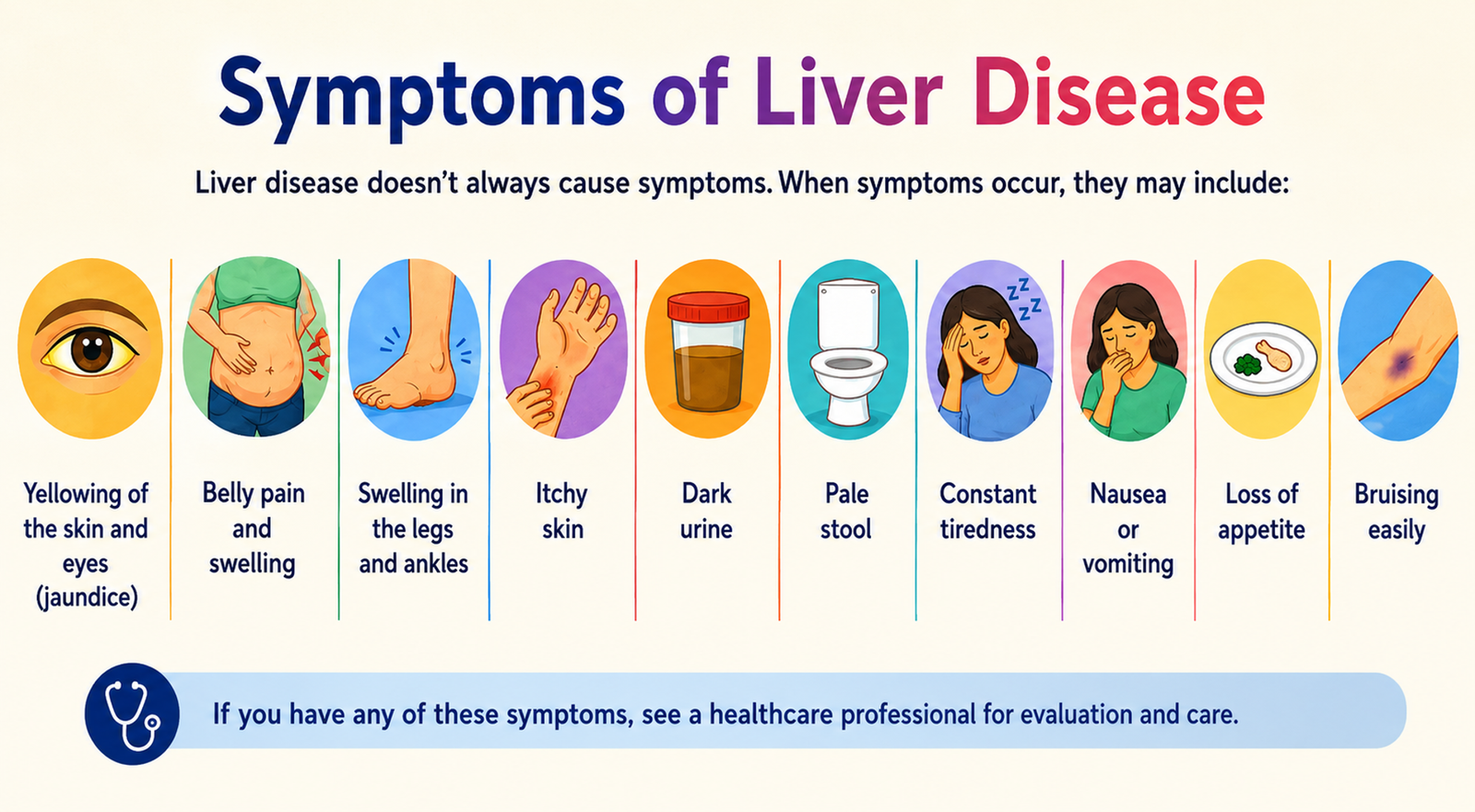
Liver disease does not always cause noticeable symptoms, especially in its early stages. When symptoms do occur, they may include:
- 🟡 Yellowing of the skin and eyes (jaundice)
- 🤕 Pain or swelling in the abdomen (belly)
- 🦵 Swelling in the legs and ankles
- 🌿 Itchy skin
- 🚽 Dark-colored urine
- ⚪ Pale or clay-colored stools
- 😴 Persistent tiredness or fatigue
- 🤢 Nausea or vomiting
- 🍽️ Loss of appetite
- 💜 Easy bruising or bleeding
Important: If you notice any of these symptoms, consult a healthcare professional for proper evaluation and treatment.
What are the Associated complications?
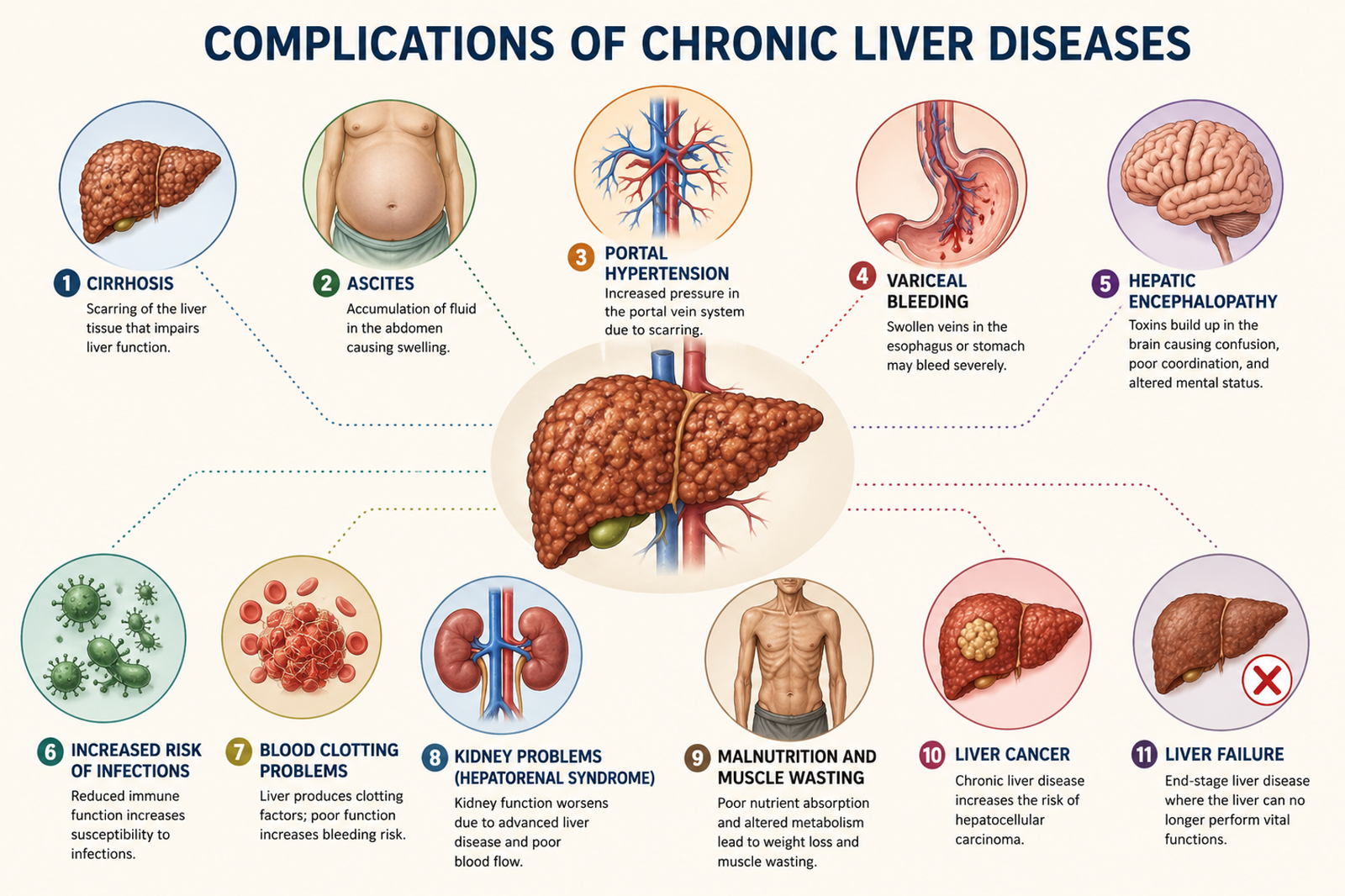
Liver disease can lead to a wide range of complications, especially if it becomes chronic or progresses to cirrhosis (severe scarring of the liver). Some of the major complications include:
- Ascites
- Accumulation of fluid in the abdomen.
- It can cause abdominal swelling, discomfort, and breathing difficulties.
- Portal Hypertension
- Increased blood pressure in the portal vein, which carries blood to the liver.
- May lead to swollen veins (varices) in the esophagus or stomach.
- Variceal Bleeding
- Enlarged veins in the esophagus or stomach can rupture and bleed heavily.
- This is a medical emergency and can be life-threatening.
- Hepatic Encephalopathy
- Toxins normally removed by the liver build up in the blood and affect the brain.
- Symptoms may include confusion, memory problems, personality changes, drowsiness, and, in severe cases, coma.
- Increased Risk of Infections
- Liver disease can weaken the immune system.
- Patients are more susceptible to serious infections.
- Blood Clotting Problems
- The liver produces many clotting factors.
- Damage can lead to easy bruising, bleeding, or abnormal clot formation.
- Kidney Problems (Hepatorenal Syndrome)
- Severe disease can impair kidney function.
- This can lead to kidney failure if not treated.
- Malnutrition and Muscle Wasting
- Poor nutrient processing and reduced appetite can lead to weight and muscle loss.
- Liver Cancer
- Chronic liver disease and cirrhosis increase the risk of Hepatocellular Carcinoma, the most common type of liver cancer.
- Liver Failure
- The liver loses its ability to perform essential functions.
- Symptoms can include severe jaundice, bleeding, confusion, fluid accumulation, and multiple organ dysfunction.
What Tests Are Used to Check Liver Health?
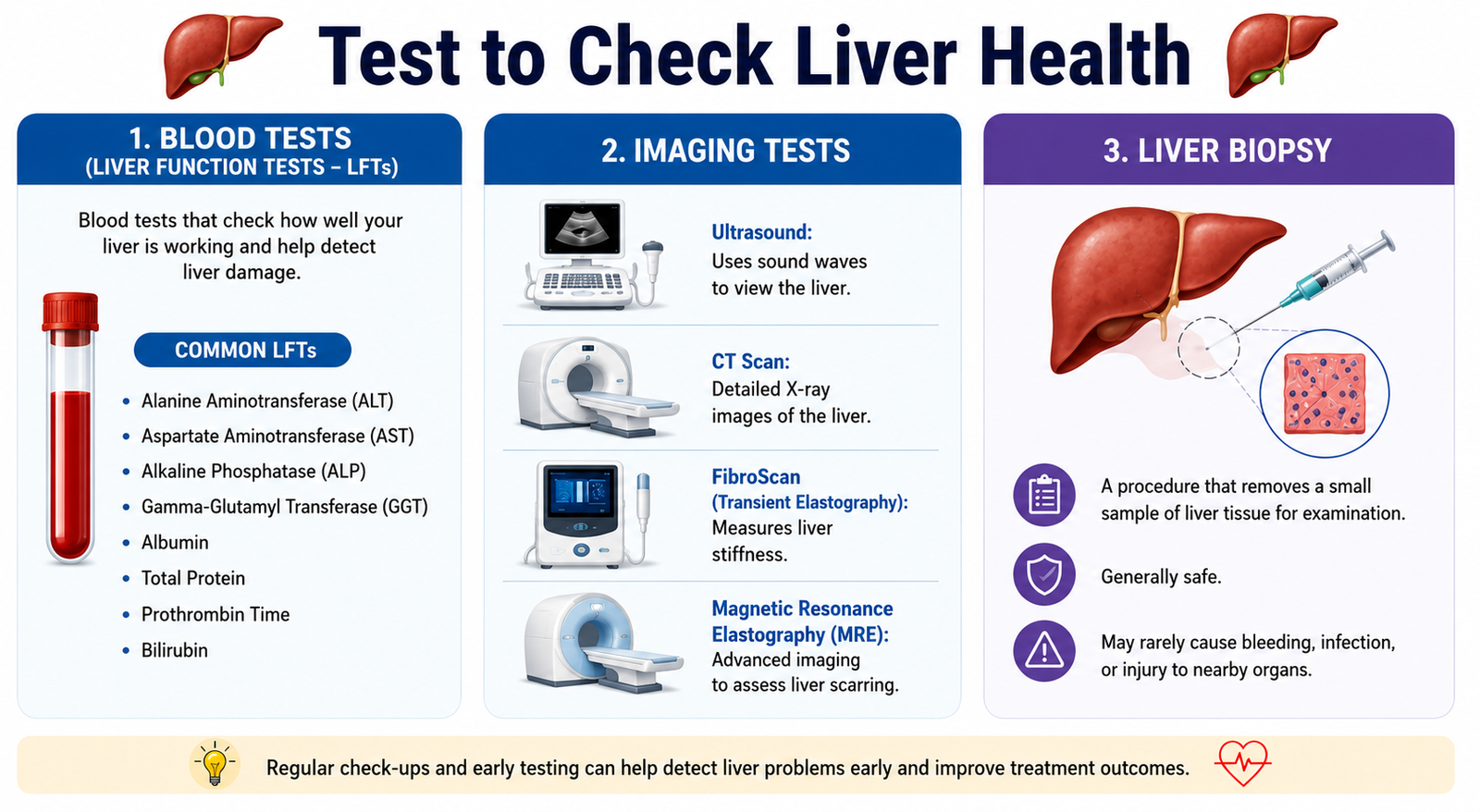
Liver Function Tests (LFTs)
- Liver function tests are blood tests that check how well your liver is working and help detect liver damage.
- Common parameters measured include:
- Liver Enzymes
- Alanine Aminotransferase (ALT)
- Aspartate Aminotransferase (AST)
- Alkaline Phosphatase (ALP)
- Gamma-Glutamyl Transferase (GGT)
- Proteins:
- Albumin
- Globulin
- Total Protein
- Prothrombin Time
- Bilirubin
- Liver Enzymes
Imaging Tests
- Ultrasound: Uses sound waves to view the liver.
- Computerized Tomography (CT) Scan: Detailed X-ray images of the liver.
- FibroScan (Transient Elastography) measures liver stiffness.
- Magnetic Resonance Elastography: Advanced imaging to assess liver scarring.
- A procedure that removes a small sample of liver tissue for examination.
- Generally safe, but may rarely cause bleeding, infection, or injury to nearby organs.
Simple Daily Habits That Make a Big Difference
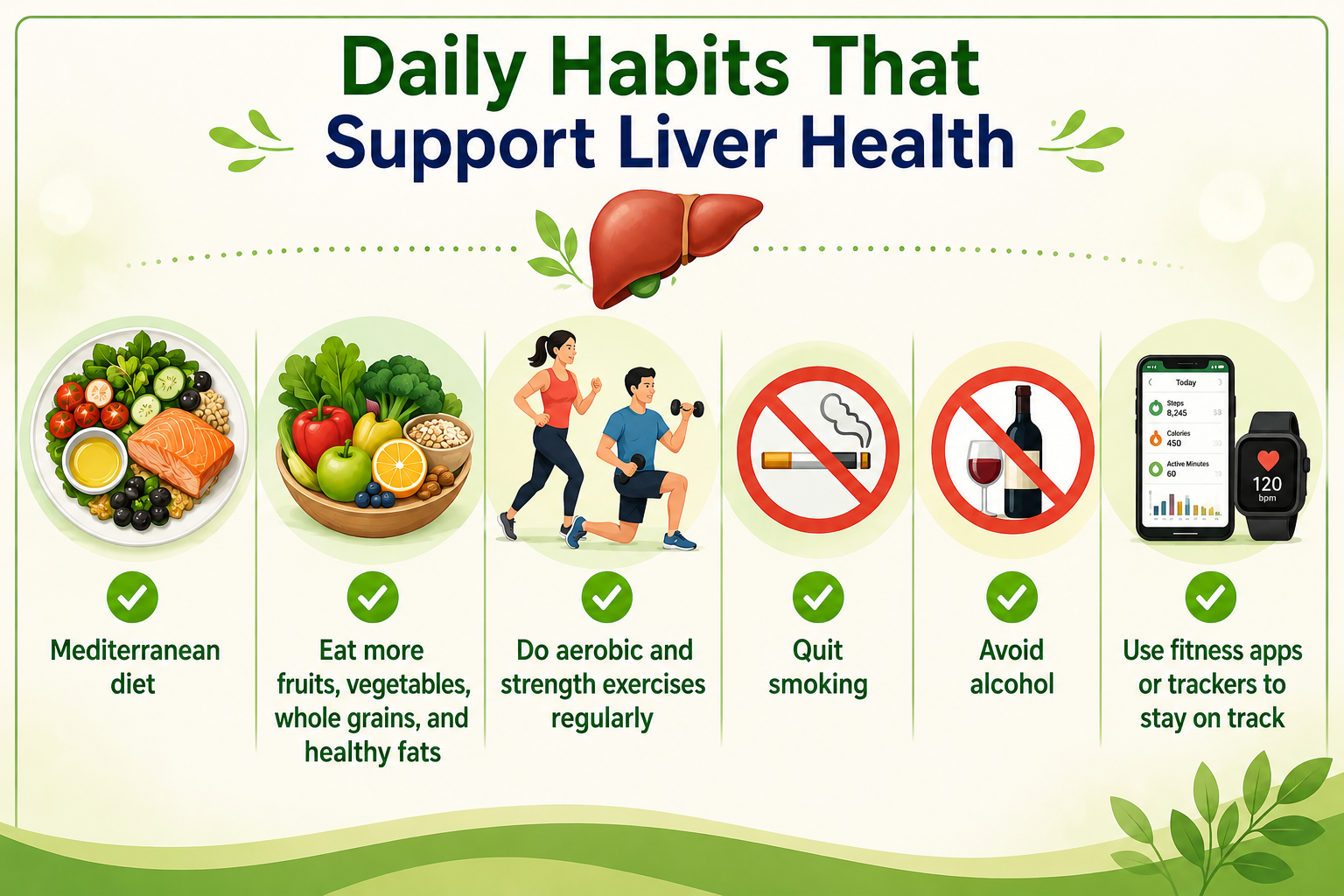
Small lifestyle changes can help reduce liver fat, improve insulin sensitivity, and support long-term liver health.
🍎 Eat Healthy
- Follow a Mediterranean-style diet.
- Eat more fruits, vegetables, whole grains, nuts, and healthy fats.
- Limit sugary drinks, processed foods, and saturated fats.
🏃 Stay Active
- Aim for 150–300 minutes of moderate-intensity activity or 75–150 minutes of vigorous-intensity activity each week.
- Do regular aerobic exercise (walking, cycling, swimming).
- Add strength (resistance) training to build and maintain muscle.
- Combining both types of exercise offers the greatest benefits.
🚭 Adopt Healthy Habits
- Quit smoking.
- Avoid alcohol consumption.
- Use fitness trackers or health apps to help stay motivated and maintain healthy habits
Common Myths and Facts
❌ Only people who drink alcohol get liver disease
- Liver disease can also result from infections, fatty liver, genetics, autoimmune diseases, and medications.
❌ Low-protein diets are always better
- Many people with liver disease actually need adequate protein to prevent muscle loss and malnutrition. Protein restriction is rarely recommended today and should be undertaken only under medical supervision in specific situations.
❌ Drinking more water can cure ascites
- Ascites requires medical treatment, which may include sodium restriction, medications (diuretics), procedures to remove fluid, and management of the underlying liver disease. In some cases, excessive water intake may even worsen certain electrolyte problems.
❌ Herbal remedies and detox products are always safe
- “Natural” does not automatically mean safe. Some herbal products and detox supplements can cause liver damage or interact with medications.
❌ Alternative therapies can replace prescribed medicines
- Complementary therapies may sometimes help with symptoms or well-being, but they should not replace medically prescribed treatments. Stopping prescribed medications without medical advice can lead to worsening liver disease and serious complications.
Key Takeaway
Your liver performs hundreds of vital functions every day, yet many liver diseases develop silently. Eating a balanced diet, staying physically active, limiting alcohol intake, maintaining a healthy weight, and getting regular check-ups can go a long way toward protecting your liver. Early detection and timely treatment are key to preventing serious complications.
Further Reading
- Gan, C., Yuan, Y., Shen, H., Gao, J., Kong, X., Che, Z., Guo, Y., Wang, H., Dong, E., & Xiao, J. (2025). Liver diseases: Epidemiology, causes, trends, and predictions. Signal Transduction and Targeted Therapy, 10(1), 33. https://doi.org/10.1038/s41392-024-02072-z
- Mondal, D., Das, K., & Chowdhury, A. (2022). Epidemiology of liver diseases in India. Clinical Liver Disease, 19(3), 114–117. https://doi.org/10.1002/cld.1177
- Johns Hopkins Medicine. (n.d.). Liver: Anatomy and functions. https://www.hopkinsmedicine.org/health/conditions-and-diseases/liver-anatomy-and-functions
- Gardezi, S. A., Al Jawad, M., & Albahrani, M. Y. (2025). Breaking the silence on liver myths: A call for evidence-based practice. Clinical Medicine, 25(6), 100525. https://doi.org/10.1016/j.clinme.2025.100525
- American Liver Foundation. (n.d.). Complications of liver disease. https://liverfoundation.org/liver-diseases/complications-of-liver-disease
- Sheikh, M. Y., Younus, M. F., Shergill, A., & Hasan, M. N. (2025). Diet and lifestyle interventions in metabolic dysfunction-associated fatty liver disease: A comprehensive review. International Journal of Molecular Sciences, 26(19), 9625. https://doi.org/10.3390/ijms26199625
Disclaimer: The information provided on Medical Pharma Lifestyle Pulse is for educational and informational purposes only and is not intended as medical advice, diagnosis, or treatment. Always consult a qualified healthcare professional before making any decisions about your health, medications, or treatment. Never ignore or delay seeking professional medical advice based on information you have read on this website. While we strive to provide accurate and up-to-date information, we do not guarantee the completeness or accuracy of the content. For more information, please read our full Medical Disclaimer.