
Table of Contents
Introduction
Diabetes is a condition that happens when the body doesn’t produce enough insulin (Type 1) or doesn’t respond to it properly (Type 2). These two common types of diabetes are different from gestational diabetes, which only happens during pregnancy and causes high blood sugar levels. It’s essential to maintain blood sugar levels in a healthy range — neither too high nor too low — for optimal overall well-being and good health.
Early detection and regular monitoring play a vital role in preventing serious complications such as heart disease, kidney problems, and nerve damage.
Welcome back to our “Diabetes Made Easy” series — your simple and practical guide for understanding diabetes. In our previous post, Understanding the Basics, we explored what diabetes is and its main types.
This post, “Diabetes Made Easy – Key Tests Everyone Should Know About”, simplifies the science behind diabetes testing. Whether you’re managing diabetes, at risk, or just health-conscious, this guide helps you stay informed and proactive.
Who should Get Tested?
✅ Adults
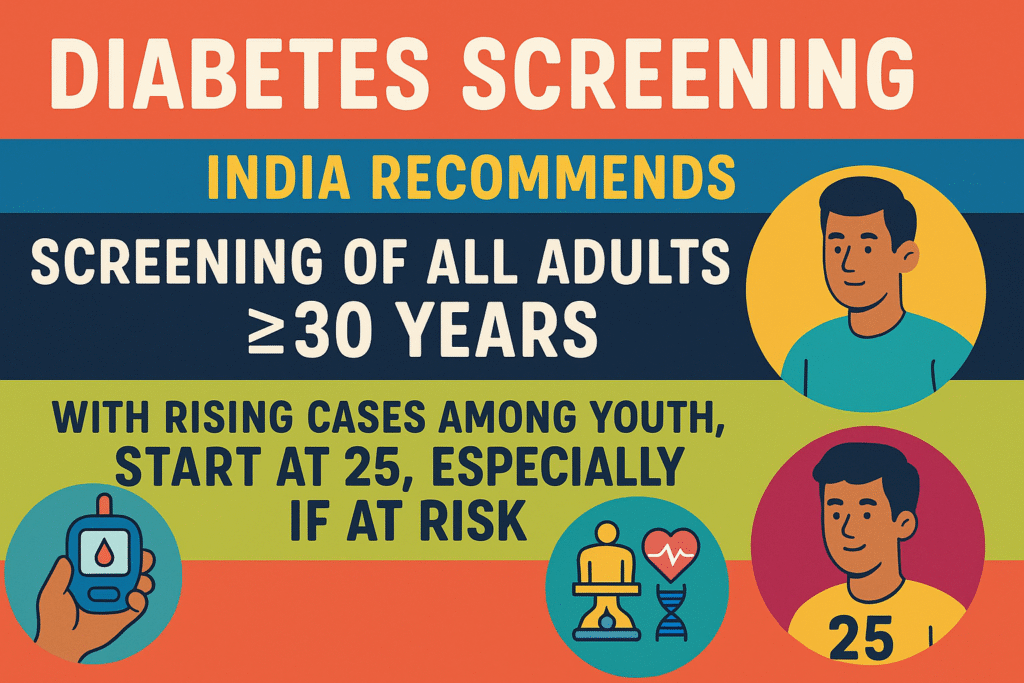
Poster showing India’s official recommendations for Diabetes Screening
- As per international guidelines, Everyone aged 35 years or older should be tested at least once every 3 years, even if they feel healthy.
- In India, the official recommendation is to screen all adults over 30 years old for diabetes. However, based on the rising trend of type 2 diabetes in younger people, some studies suggest that screening should start at age 25, especially for those with risk factors.
⚠️People with risk factors
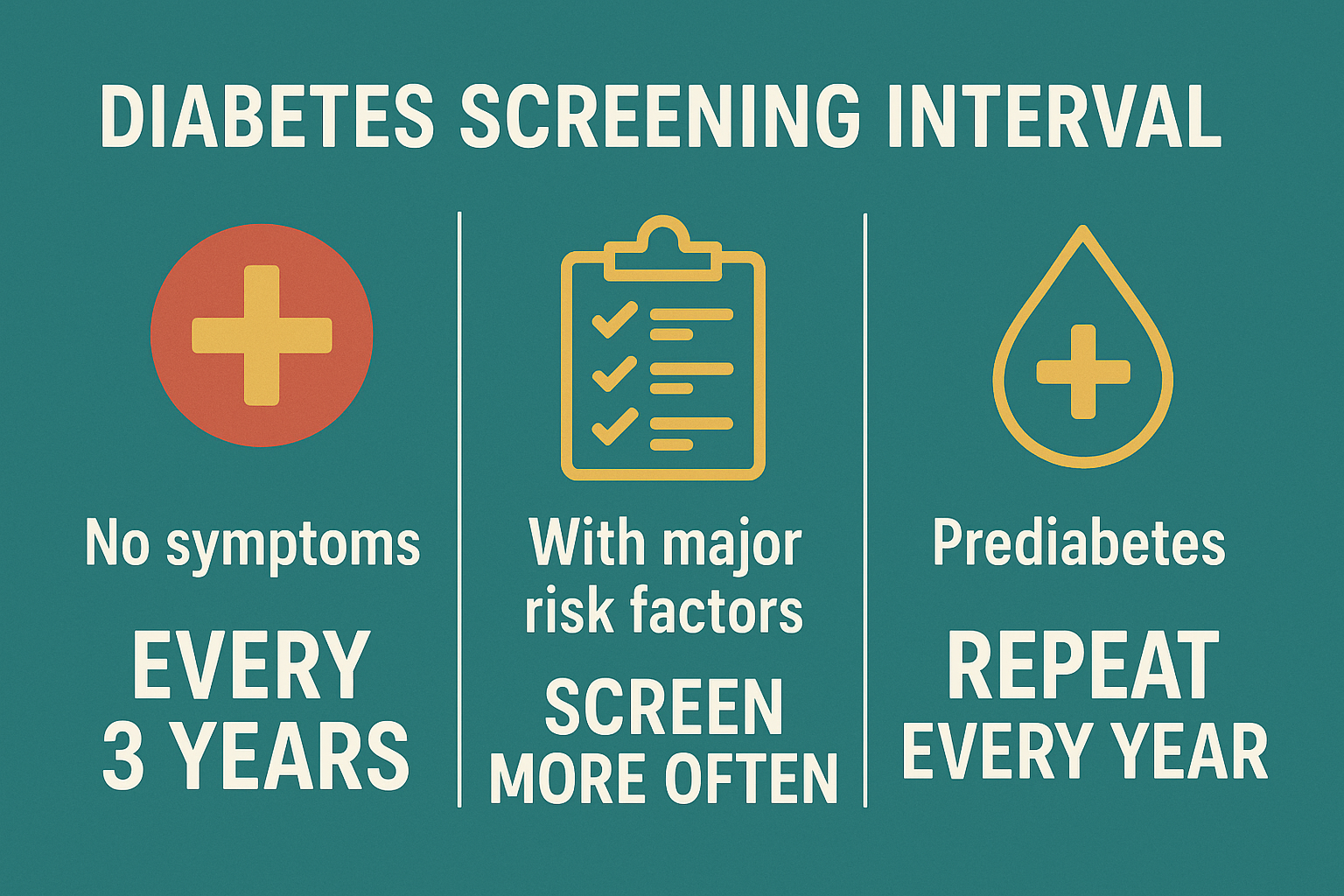
Poster showing recommendations for the Retest after Diabetes Screening
- Testing should be done earlier and more frequently if you have any of the following:
- Family history of diabetes (parent or sibling)
- Overweight or obesity
- Lack of regular exercise
- History of high blood pressure or high cholesterol
- Women with Polycystic Ovary Syndrome (PCOS)
- History of heart disease
- Prediabetes on previous testing
- Women with a history of gestational diabetes
🤰Pregnant women
- During pregnancy: once at 24–28 weeks (or earlier if high-risk).
- Women diagnosed with gestational diabetes should have lifelong testing at least every 3 years.
👦Children and Adolescents
- Testing may be recommended for children overweight or obese (≥10 years) who have at least one additional risk factor, such as:
- Mother’s history of diabetes or gestational diabetes
- Family history of type 2 diabetes
- High-risk population – like Native American, African American, Latino, Asian American, etc.
- Signs of insulin resistance
Essential Routine Tests to Detect Diabetes Early
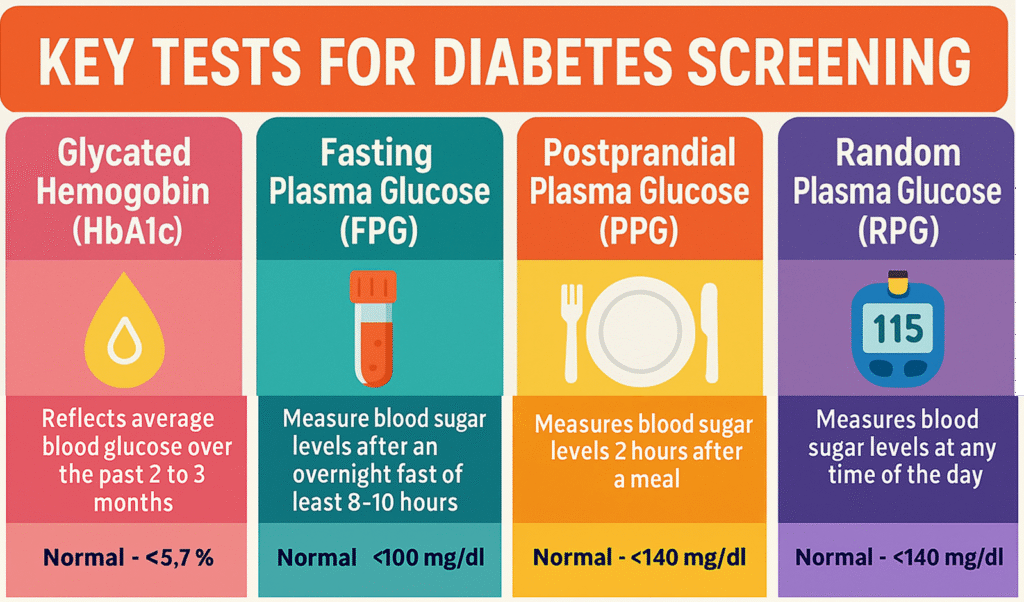
Visual Infographics Showing Ket Tests For The Screening of Diabetes (Values Shown are for Non-pregnant & Healthy Adults)
- Diabetes can’t be diagnosed at home because at-home tests only give a quick snapshot of your blood sugar at one moment, and they aren’t enough to make a diagnosis. To obtain a clear and accurate diagnosis, it’s essential to consult a healthcare professional who can interpret the results of specific blood tests, as explained below.
Glycated Hemoglobin (HbA1c)
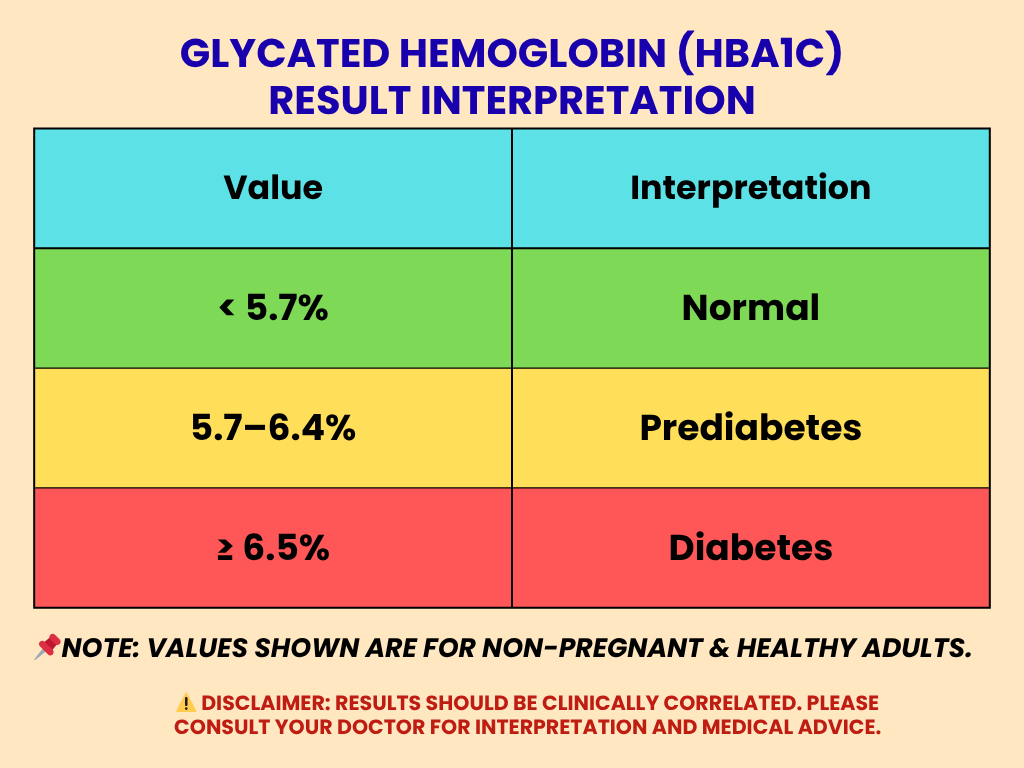
- What it measures:
- The average blood sugar (glucose) levels over the past 2 to 3 months.
- How it works:
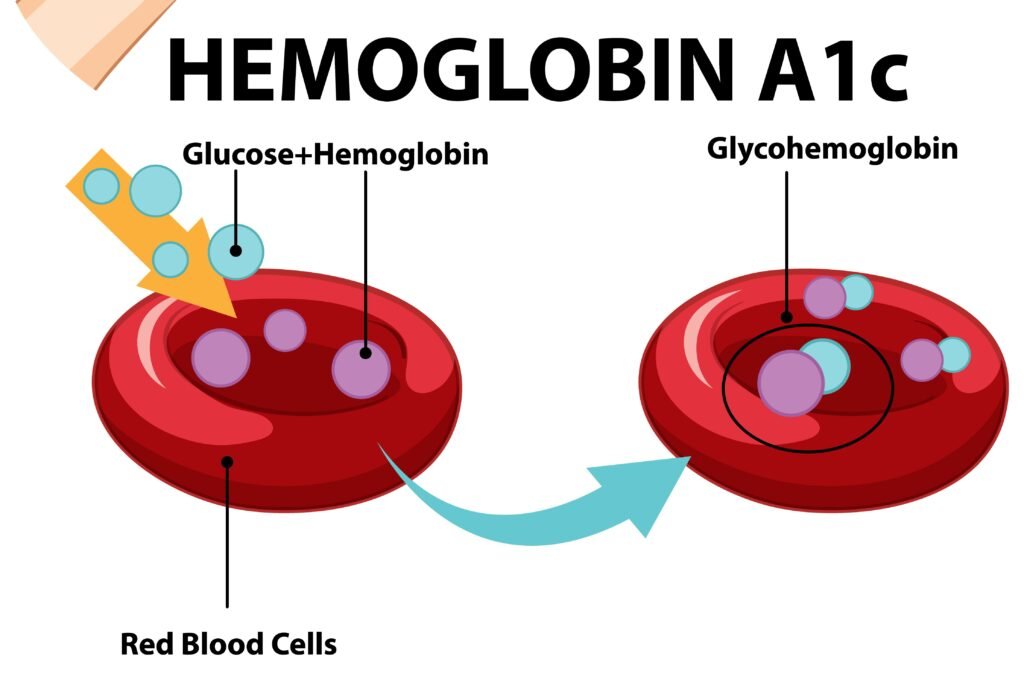
Image Showing Formation of Glycated Hemoglobib in Red Blood Cells
- When sugar (glucose) in the blood binds to haemoglobin (the protein in red blood cells that transports oxygen), it creates glycated haemoglobin (HbA1c). The higher your blood sugar levels, the more HbA1c you will have.
- When it’s used:
- For the diagnosis and monitoring of diabetes.
- To evaluate long-term control of blood sugar.
- Helpful in adjusting treatment plans for diabetes management.
Fasting Plasma Glucose (FPG)
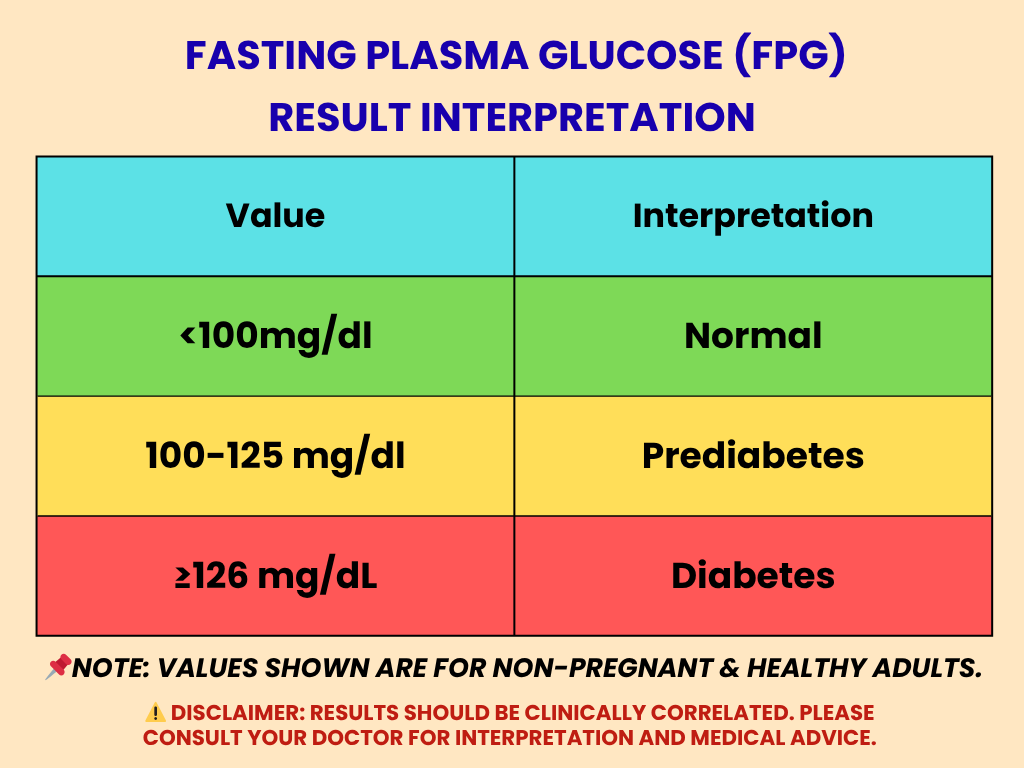
- What it measures:
- The amount of glucose (sugar) in your blood after an overnight fast (at least 8 -10 hours without food or drink except water).
- How it works:
- A blood sample is taken after an overnight fast.
- It measures how well your body maintains normal blood sugar levels when you’re not eating.
- When it’s used:
- For screening and diagnosing diabetes or prediabetes.
- To monitor blood sugar control in known diabetes.
Postprandial Blood Sugar (PPBS) / Postprandial Plasma Glucose (PPG)
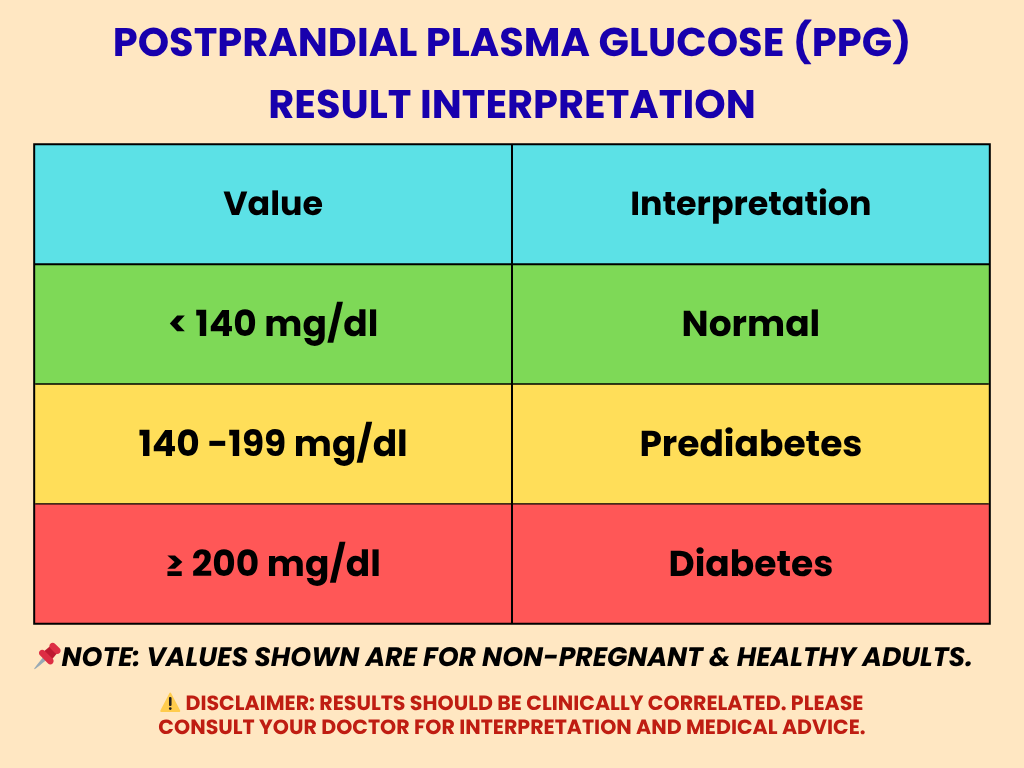
- What it measures:
- The amount of glucose (sugar) in your blood 2 hours after eating a meal.
- How it works:
- After you eat, your body breaks down food into glucose, which enters the bloodstream.
- If blood sugar levels remain high 2 hours after a meal, it may indicate that the body is not responding well to insulin.
- When it’s used:
- To detect early diabetes or prediabetes when fasting sugar is normal.
- To monitor diabetes control (especially after meals).
Random Blood Sugar (RBS) / Random Plasma Glucose (RPG)
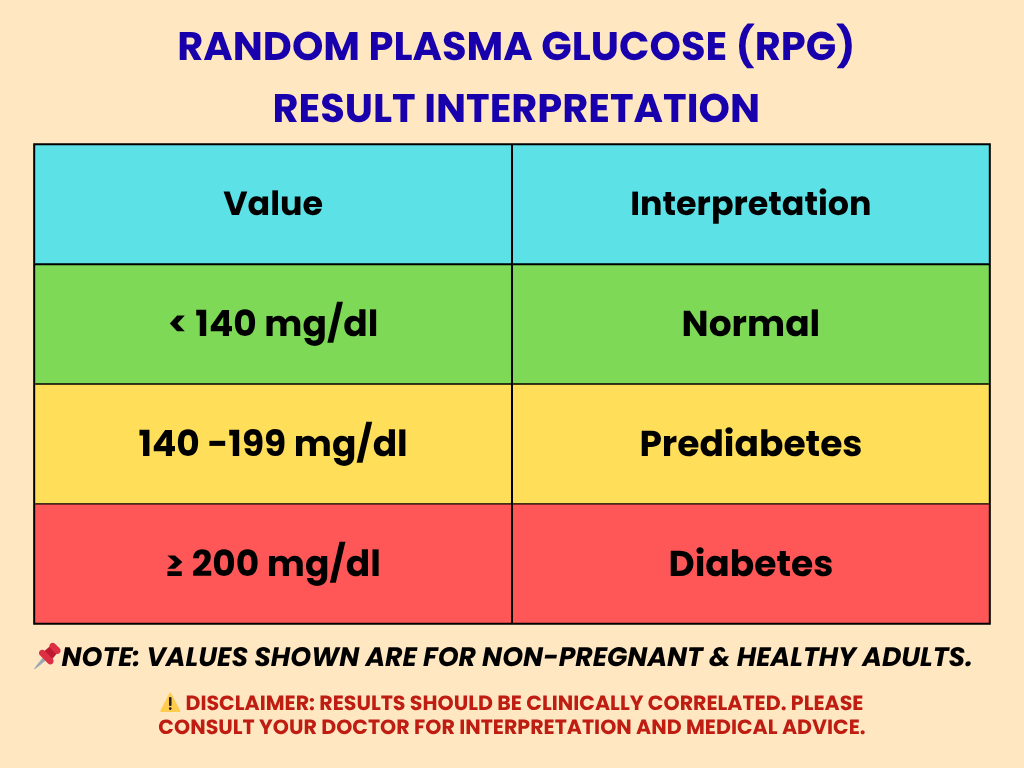
- What it measures:
- The amount of glucose (sugar) in your blood at any time of the day, regardless of when you last ate.
- How it works
- A single blood sample is taken randomly at any time of the day — you don’t need to fast.
- It reflects your current blood sugar level at that moment.
- When it’s used:
- For quick screening of blood sugar levels.
- During routine check-ups or when symptoms of diabetes are present.
- In emergencies where fasting isn’t possible.
Other Essential Test
Oral Glucose Tolerance Test (OGTT)
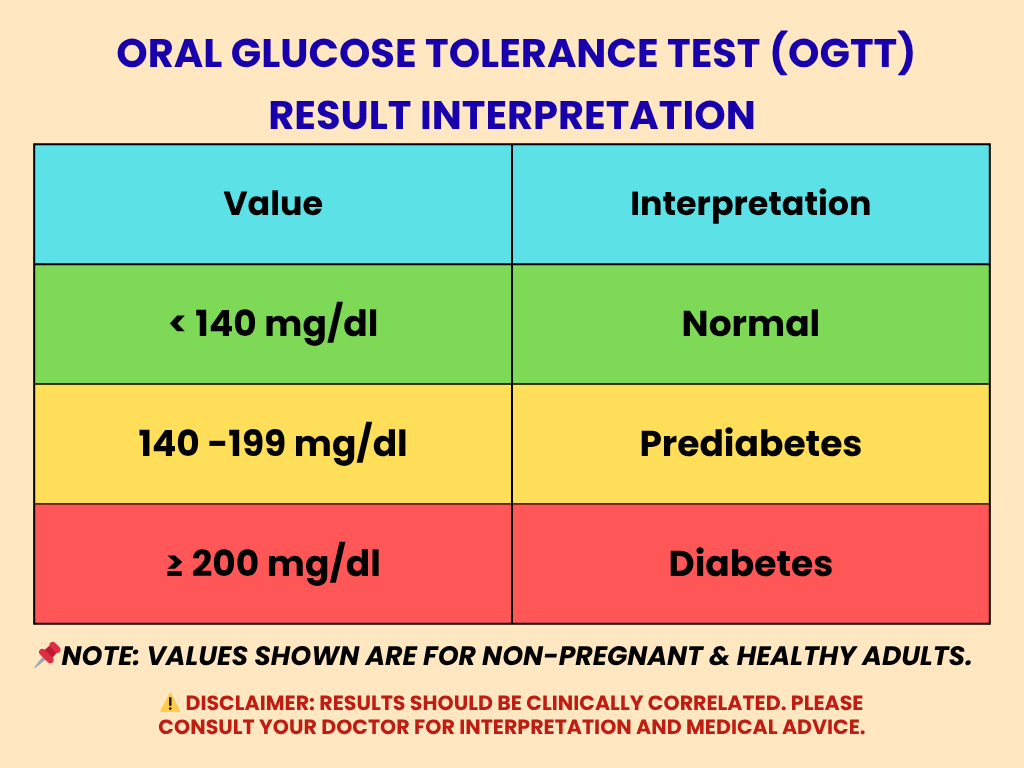
- What it measures
- Oral glucose tolerance tests (OGTT) measure how well the body can use a large amount of sugar.
- If blood sugar levels are high, it may indicate slow absorption by the organs, suggesting diabetes or gestational diabetes.
- How it works:
- Fasting: You fast for at least 8 -12 hours.
- Baseline test: A fasting blood glucose sample is taken.
- Glucose drink: You drink a sweet glucose drink. It’s usually 75 grams of glucose dissolved in 250 to 300 mL of water, and you have to drink it all within five minutes.
- Post-drink tests: Blood glucose levels are retested 2 hours after drinking.
- When it’s used:
- Used primarily when fasting or random tests are borderline to rule out the diagnosis of diabetes.
- In pregnancy, diagnose gestational diabetes (different criteria).
Myths vs Facts: Diabetes Tests
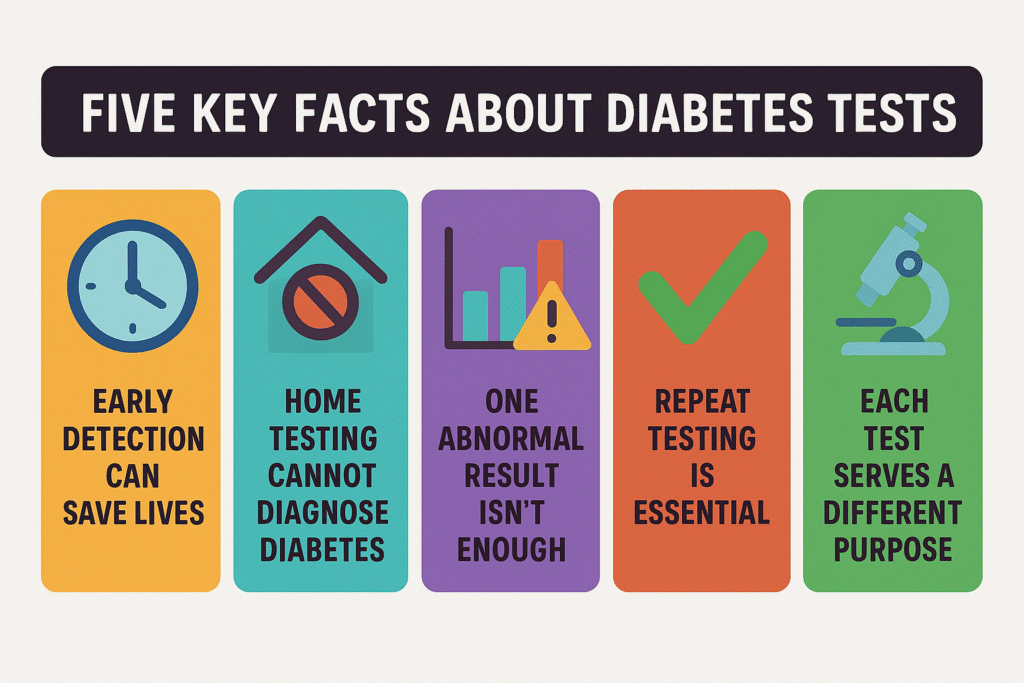
Visual Infographics Showing Key Facts About Diabetes Test
🕒 Myth 1: “You only need to test when symptoms appear.”
- Fact: Early detection saves lives. Finding diabetes early allows treatment to begin sooner — preventing or delaying serious complications.
🏠 Myth 2: “Home sugar checks can diagnose diabetes.”
- Fact: Home testing isn’t a diagnostic tool. At-home meters help monitor blood sugar levels, but only lab-based tests can confirm a diagnosis of diabetes.
📊 Myth 3: “One test is enough to know if you have diabetes.”
- Fact: One test isn’t enough. A single abnormal result doesn’t confirm diabetes — follow-up tests ensure accuracy.
✅ Myth 4: “If one test shows diabetes, that’s final.”
- Fact: Confirmation is key. An abnormal result is usually repeated unless clear symptoms or complications are present.
🔬 Myth 5: “All diabetes tests measure the same thing.”
- Fact: Each test is different. Every test gives unique insights into your blood sugar control and long-term trends.
In Summary
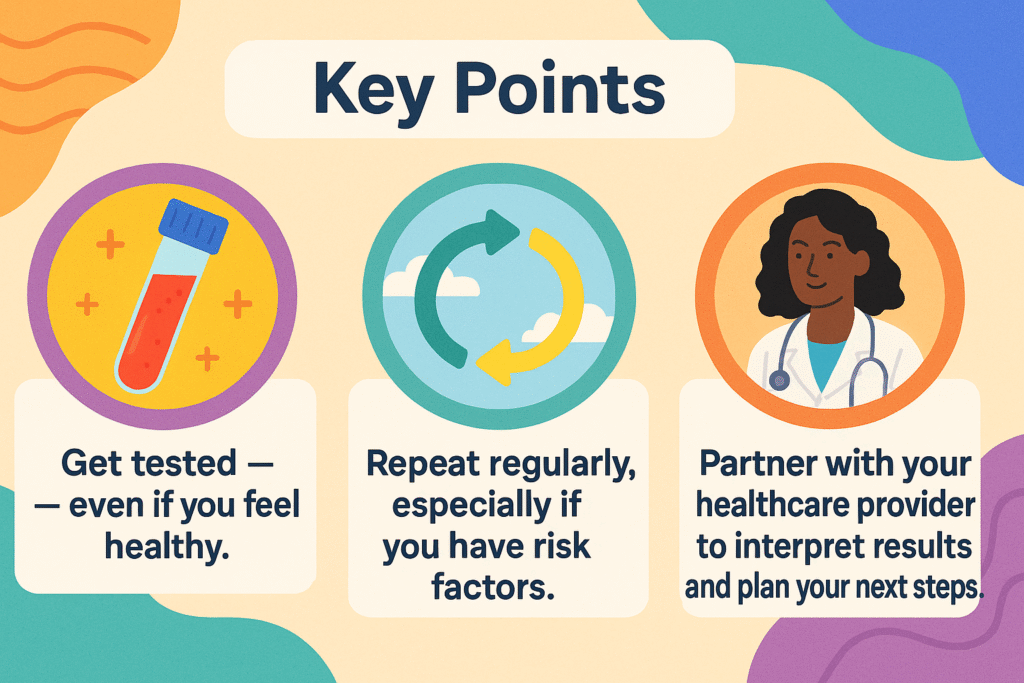
Understanding these tests helps you take charge — not just of your blood sugar, but of your long-term well-being. Diabetes may be common, but with the right awareness, it’s also manageable — and often preventable. Stay informed, stay proactive, and stay healthy.
Further Reading
- Bolla, A. S. (2020). Blood glucose monitoring – an overview of current and emerging technologies. Diabetes & Metabolic Syndrome: Clinical Research & Reviews. Advance online publication. https://doi.org/10.1016/j.dsx.2020.1351
- Mayo Clinic Staff. (2025, February 27). Type 2 diabetes — Diagnosis & treatment. Mayo Clinic. https://www.mayoclinic.org/diseases-conditions/type-2-diabetes/
- Misra, A., Ramachandran, A., Saboo, B., Kesavadev, J., Sosale, A., Joshi, S., & Das, A. K. (2021). Screening for diabetes in India should be initiated at 25 years age. Diabetes & Metabolic Syndrome: Clinical Research & Reviews, 15(6), 102321. https://doi.org/10.1016/j.dsx.2021.102321
- American Diabetes Association. (2023). Standards of Care in Diabetes—2023 Abridged for Primary Care Providers. Clinical Diabetes, 41(1), 4-31. https://doi.org/10.2337/cd23-as01
- Vasavada, A., & Taub, L. F. (2022). Diabetes mellitus screening. In StatPearls [Internet]. StatPearls Publishing. https://www.ncbi.nlm.nih.gov/books/NBK554615/ NCBI
- World Health Organization. (2011). Glycated haemoglobin (HbA₁c) for the diagnosis of diabetes (Abbreviated report of a WHO Consultation). In Use of glycated haemoglobin (HbA₁c) in the diagnosis of diabetes mellitus (Book ID NBK304271). National Center for Biotechnology Information. https://www.ncbi.nlm.nih.gov/books/NBK304271/ NCBI
- American Diabetes Association. (n.d.). Understanding A1C — The A1C test & diabetes. https://diabetes.org/about-diabetes/a1c American Diabetes Association
- Institute for Quality and Efficiency in Health Care (IQWiG). (2023, December 18). In brief: What do glucose tolerance tests involve? In Bookshelf. National Library of Medicine (Bookshelf ID NBK279331). https://www.ncbi.nlm.nih.gov/books/NBK279331/